_____________________________
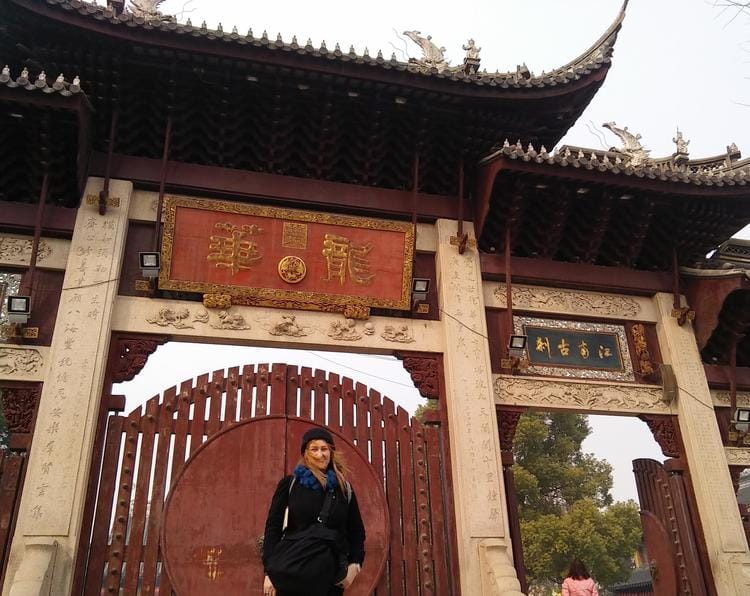
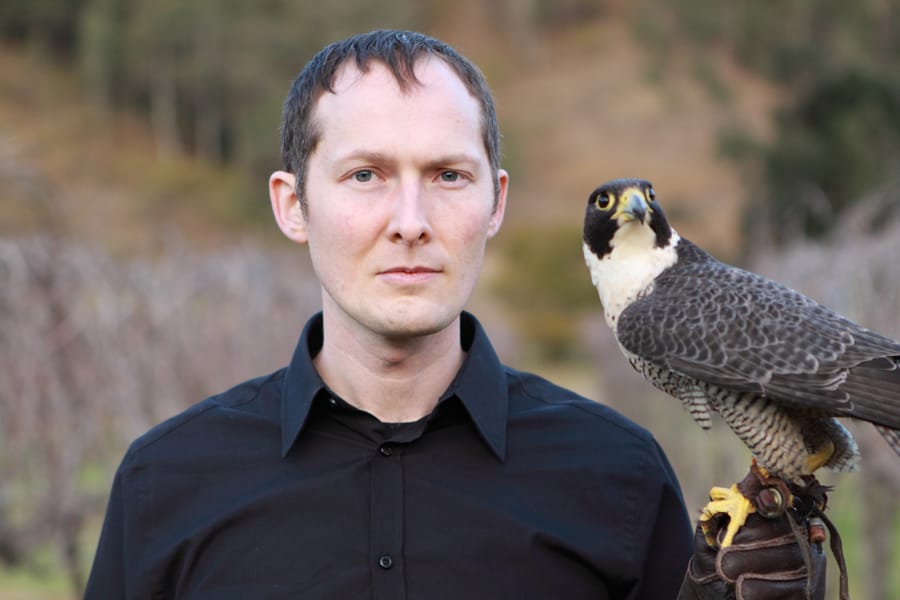
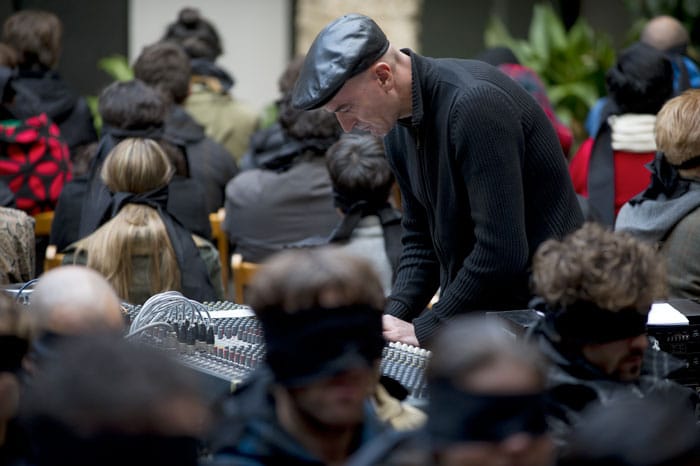
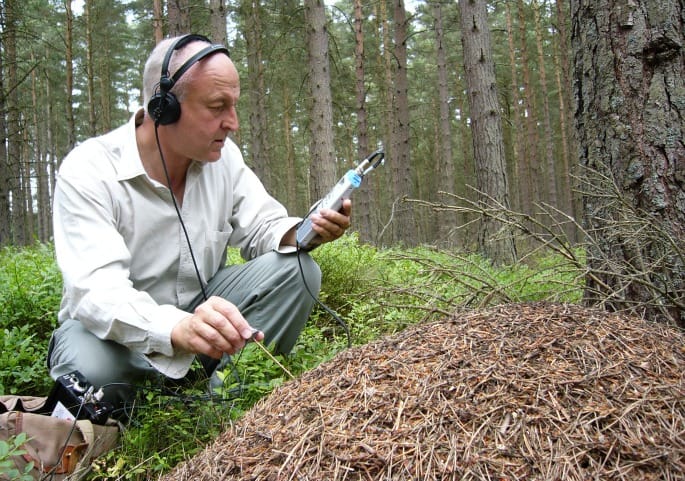
Guest post by Patrick McGuire of Soundfly's FlypaperThe roots of field recording go all the way back to early 1900s when pioneer musicologist John Lomax began recording cowboy songs in Texas. His son Alaneventually ended up taking recordings in almost every corner of the world and following in his footsteps.Like everything in the audio-recording technology and cultural world, field recording has changed quite a bit over the past 115 years, and sound artists calling themselves “phonographers” — inspired by the principles of deep listening proliferated by figures like Pauline Oliveros — continue to push the boundaries of how we capture and disseminate sounds of “the field,” but the art form’s core principles of capturing sounds from the outside world and bringing them to our listening attention for reflection remains unchanged.In 2017, sounds captured through field recordings are breathing new life into electronic music, a genre frequently criticized for sounding too stale and inhuman. But even when field recordings aren’t used to color and shape conventional music, they can be utterly fascinating in their own right. This article is devoted to shedding light on ten of today’s most interesting field recordists working in a variety of aesthetic areas; some more conceptually artistic, some purely for sound design, and others for the purposes of documentation. Left out are perhaps, some of the more influential, with regards to output and worldwide distribution, like Bernie Krause and Michael Pisaro for example, each of whom we’ve profiled here on Flypaper recently.Feel free to share your favorite artists working today in the comments below!1. Diane Hope
2. Lawrence English
3. Francisco López
4. Chris Watson
5. Jana Winderen
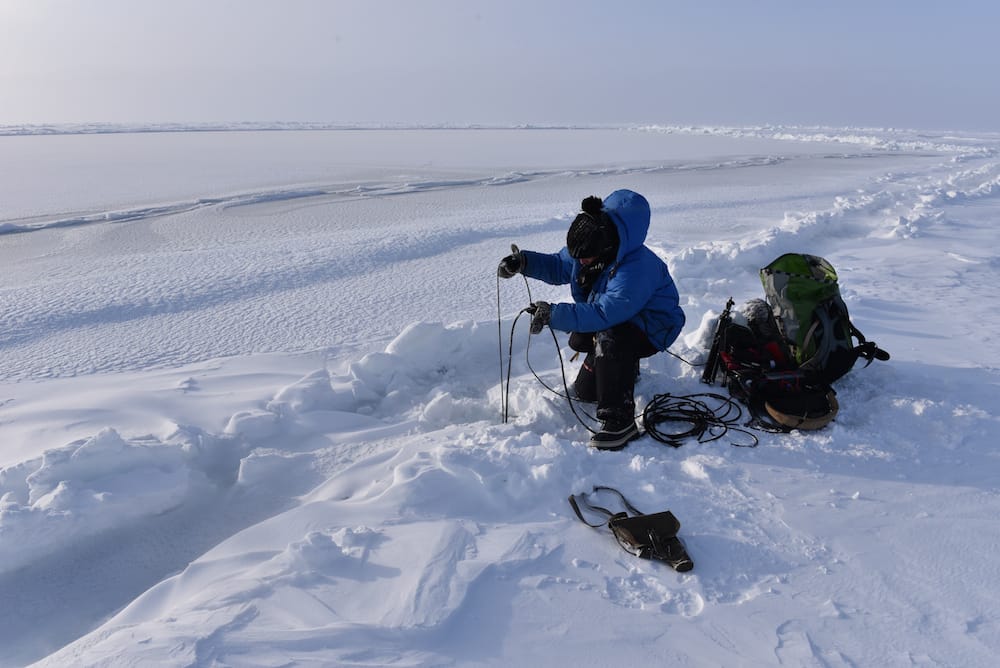 Winderen recording at the North Pole with hydrophones 15 and 10 meters under the pack ice.
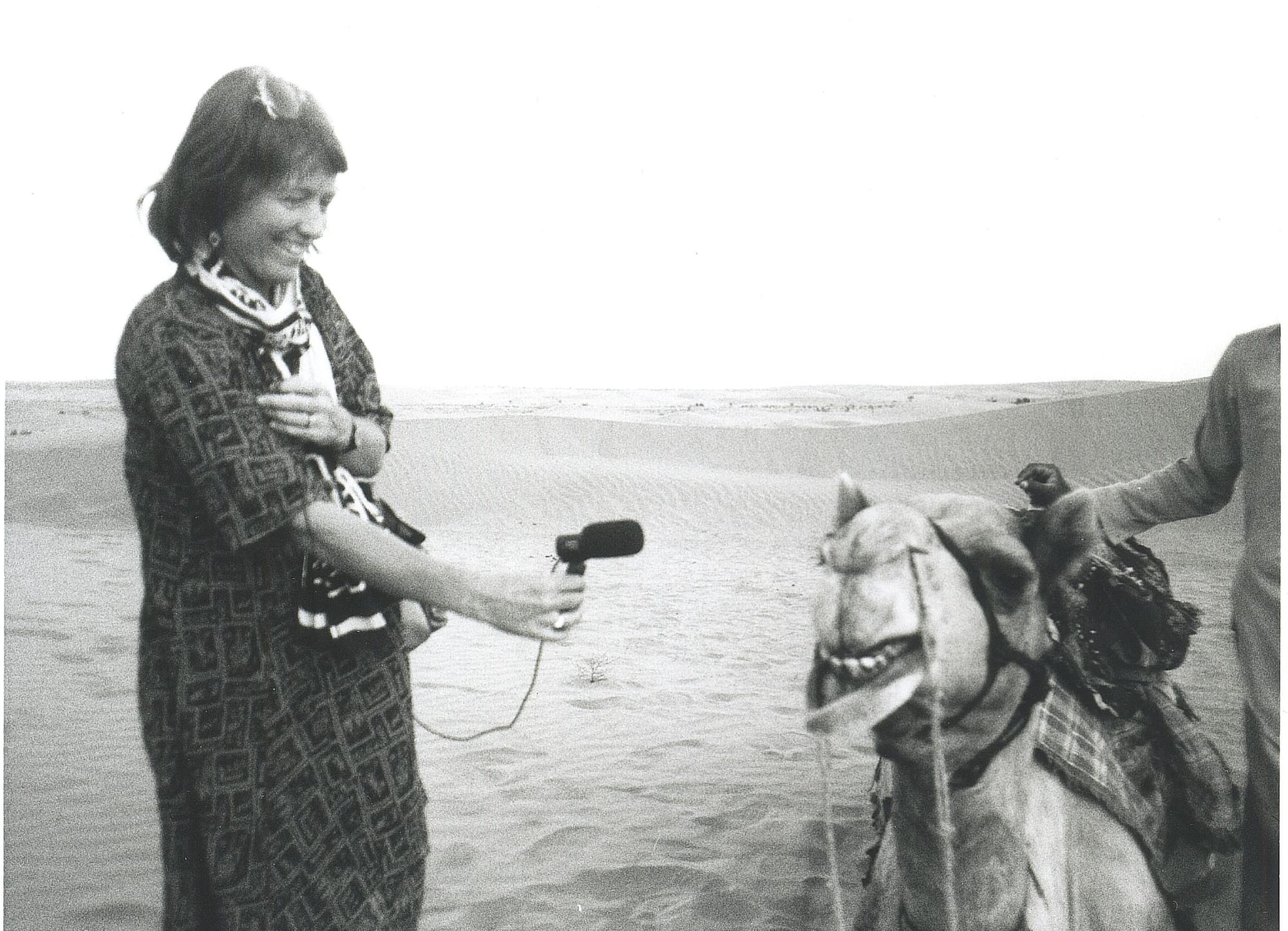
The biography on Norwegian sound artist Jana Winderen’s website reads: “Silence, understood as no sound, cannot be experienced as long as you are alive, since the body itself is quite a noisy place.” Winderen’s work, which can be found in the form of installation pieces all over the world, as well as on the rare published recording, often requires her to explore and capture sounds from the most remote locations on the planet — the geographic poles, deep inside ice fields, volcanos, difficult-to-access wildernesses.Using a sophisticated hydrophone setup, for example, Winderen’s albums have featured inaudible or inaccessible sounds like the noises found underwater, amplified and pitched down to human audible ranges.Recommended listening: Winderen’s most beloved work captures and makes audible ultra- and micro-sonic audio that cannot normally be heard by human ears (bats, fish, underwater insects, tadpoles) like in her piece, Ultrafield, and features recordings taken from remote, nearly impossible-to-access parts of the world, like in SHIFT. 6. Hildegard Westerkamp
7. Watson Wu
8. Hanna Hartman
9. Paul Virostek
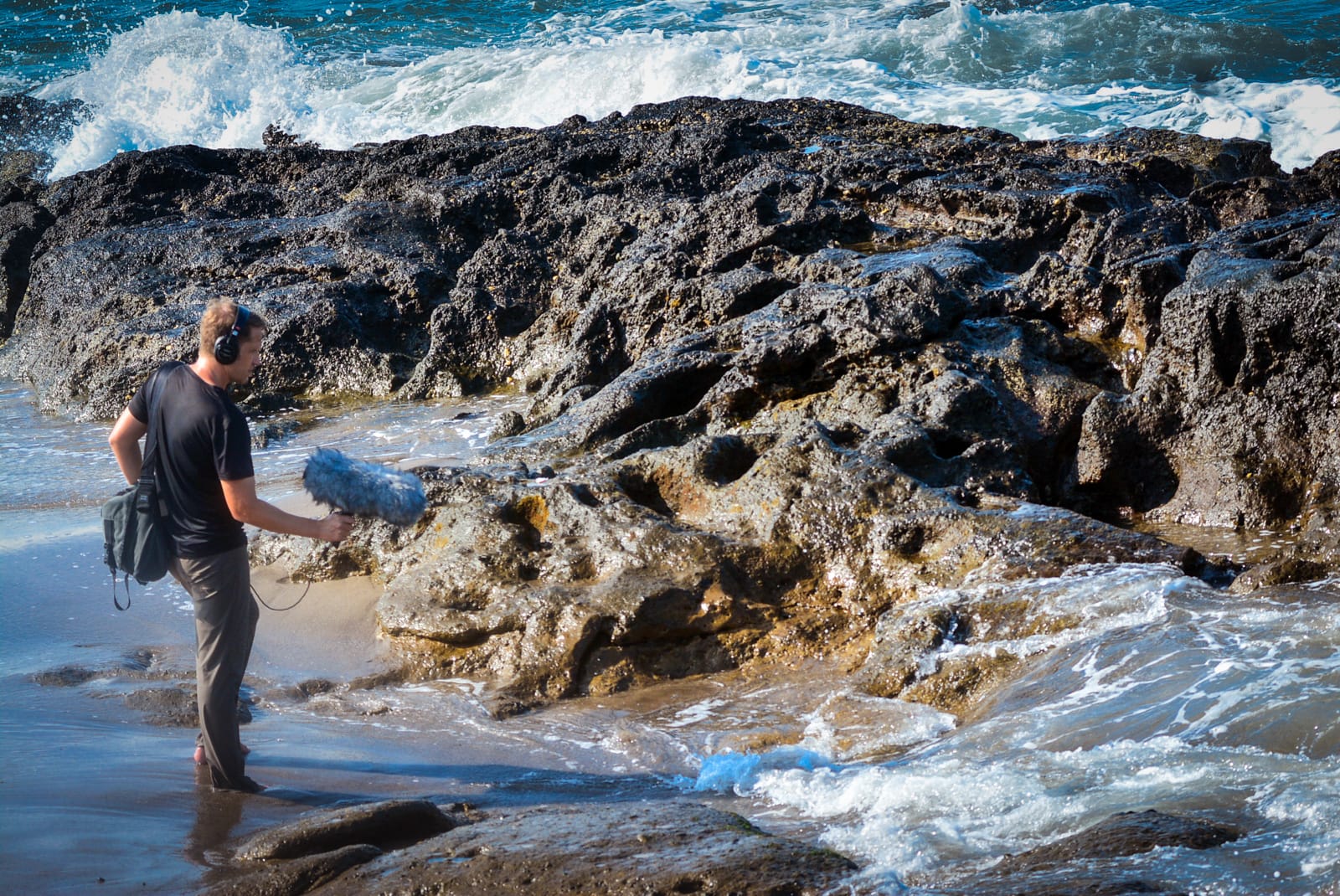
10. Melissa Pons