

_______________________
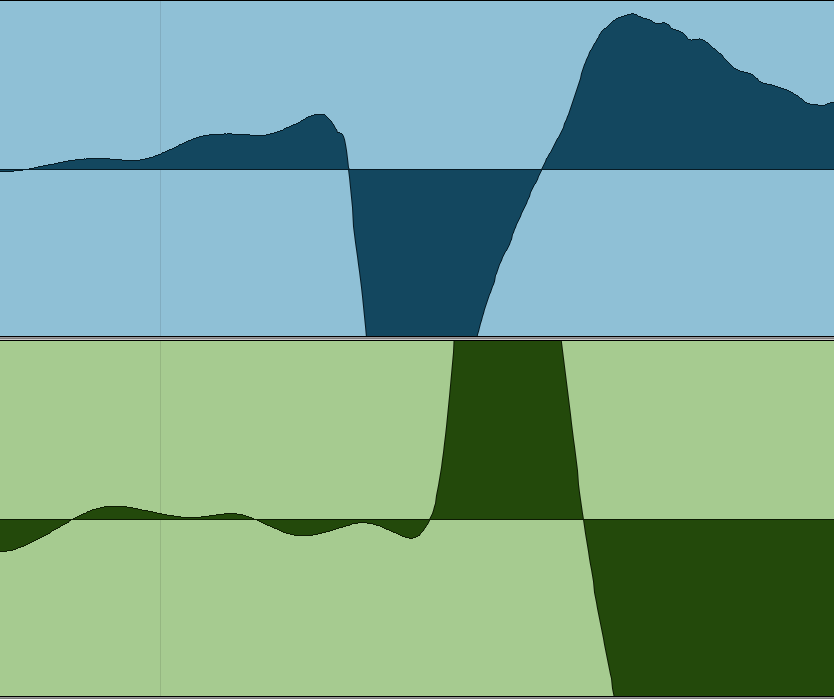
Guest post by Brad Allen Williams of Soundfly's FlypaperOnce upon a time, remixing a song meant actually redoing the mix. Many vintage consoles (some Neve 80-series, for example) have a button labeled “remix” that changes a few functions on the desk to optimize it for mixing rather than recording.But sometime in the late 20th century, the word “remix” began to take on a new meaning: creating a new arrangement of an existing song using parts of the original recording. Into the 21st century, it’s evolved again and is now sometimes used as a synonym for “cover.” The latter two definitions remain in common use, while the first has largely disappeared.Language is constantly evolving, and musical terms are obviously no exception. In fact, in music, language seems to evolve particularly fast, most likely owing to lots of interdisciplinary collaboration and the rapid growth of DIY.Ambiguous or unorthodox use of language has the potential to seriously impede communication between collaborators. In order to avoid an unclear situation, let’s break down standard usage of some of the most commonly conflated, misused, or misunderstood music-related terms. Gain, as it’s used in music electronics, is defined by Merriam-Webster as, “An increase in amount, magnitude, or degree — a gain in efficiency,” or, “The increase (of voltage or signal intensity) caused by an amplifier; especially: the ratio of output over input.”To put it in less formal terms, gain is just an increase in strength. If an amplifier makes a signal stronger, then it causes that signal to gain intensity. Gain is usually expressed as a ratio. If an amplifier makes a signal 10 times as loud, then that amplifier has a “gain of 10.”On the other hand, harmonic distortion is that crunchy or fuzzy sound that occurs when an amplifier clips (as a result of its inability to handle the amount of signal thrown at it).In the 1970s, some guitar amp manufacturers began employing extra gain stages in their designs to generate harmonic distortion on purpose. In other words, they’d amplify the signal, then amplify it again, and that second gain stage — having been given more than it could handle — would distort. These became known as “high-gain amplifiers.” Because of this, many guitarists just assumed that gain was synonymous with distortion. This was cemented when later amps like the Marshall JCM900 had knobs labeled “gain” that, by design, increased the amount of harmonic distortion when turned up!Outside the realm of electric guitar, though, gain is still most typically used in a conventional way. When a recording engineer talks about “structuring gain,” for example, he or she is usually specifically trying to avoid harmonic distortion. It’s easy to see how this might cause confusion!+ Read more on Flypaper: “Squeeze to Please: The Basics of Compression in Audio”






Related articles