March is Women's History Month, and March 8th is International Women's Day. In celebration of this powerful theme, we're excited to highlight a solid contingent of women artists, executives, entrepreneurs, curators, and tech experts who have made significant contributions to the way the Live Music Industry operates.
Here are 15 women who moved live music forward — not in one lane, but across performance, production, touring models, and cultural impact.
1) Sister Rosetta Tharpe – the Prototype for Rock Performance
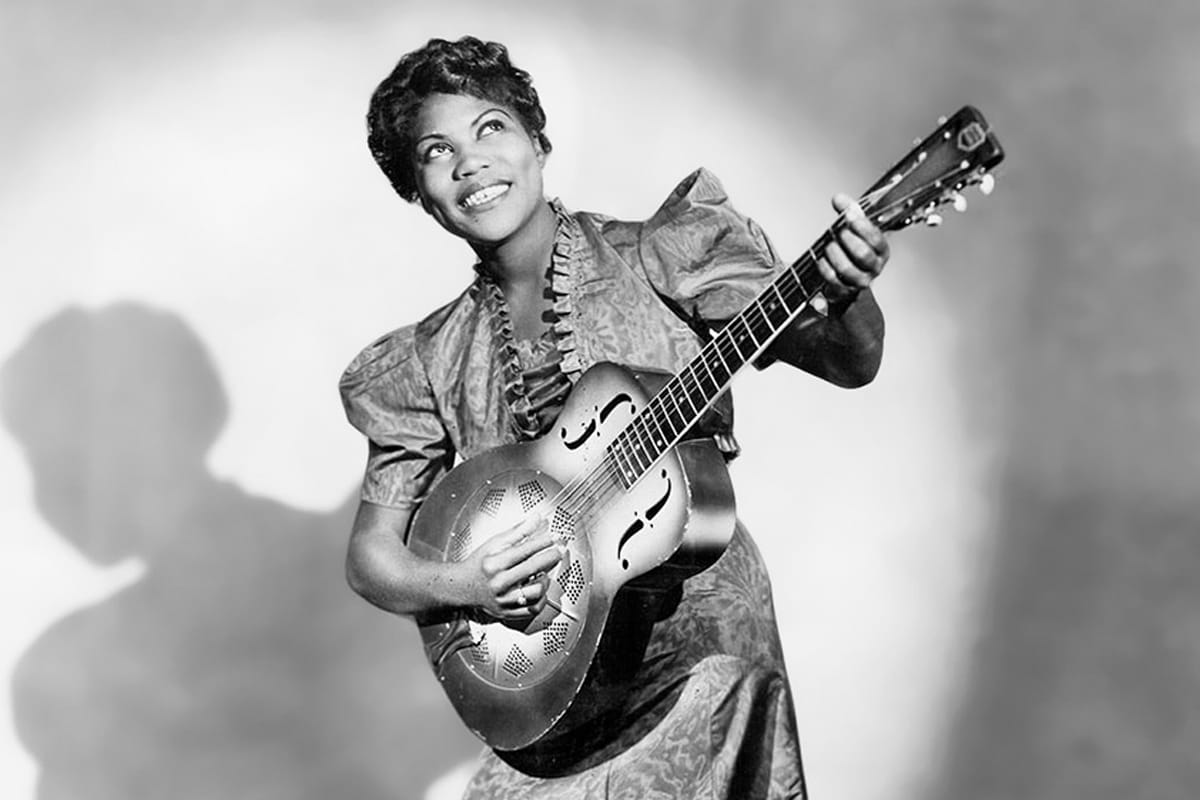
Long before arena rock existed, Sister Rosetta Tharpe was playing blistering electric guitar in front of adoring crowds. She was willing to go to visceral, cathartic places, and proved that the live stage could be ecstatic, loud, and spiritually explosive — laying groundwork for rock touring decades before it formalized as an industry.
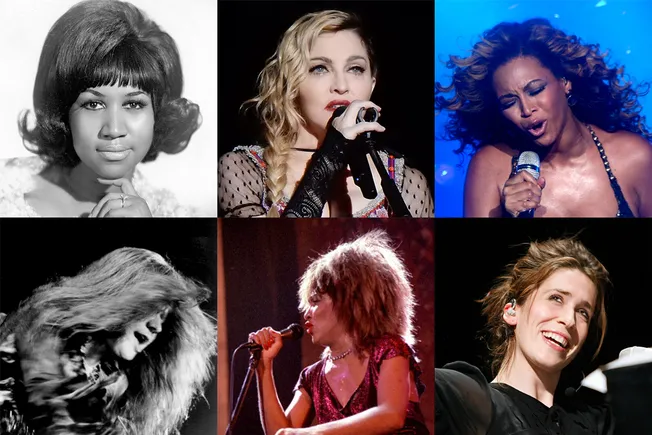
2) Aretha Franklin – Turning the Live Album Into a Cultural Event
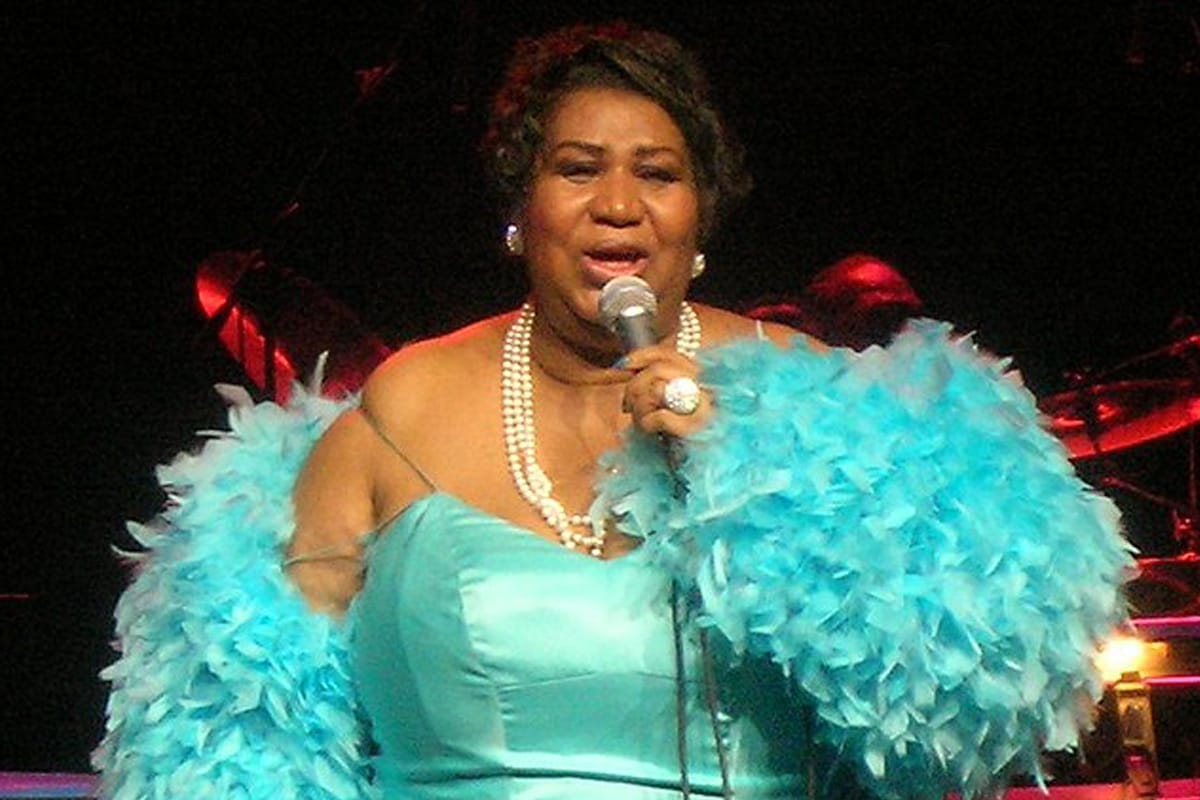
Her live recordings — especially Amazing Grace, which was recorded at the New Temple Missionary Baptist Church in LA and is the best-selling live gospel album of all time — demonstrated that live performance wasn’t secondary to studio work. It could be definitive, historic, and commercially dominant. Franklin has gone on to perform live for multiple US presidents.
3) Madonna – Making the Arena a Theatrical Universe
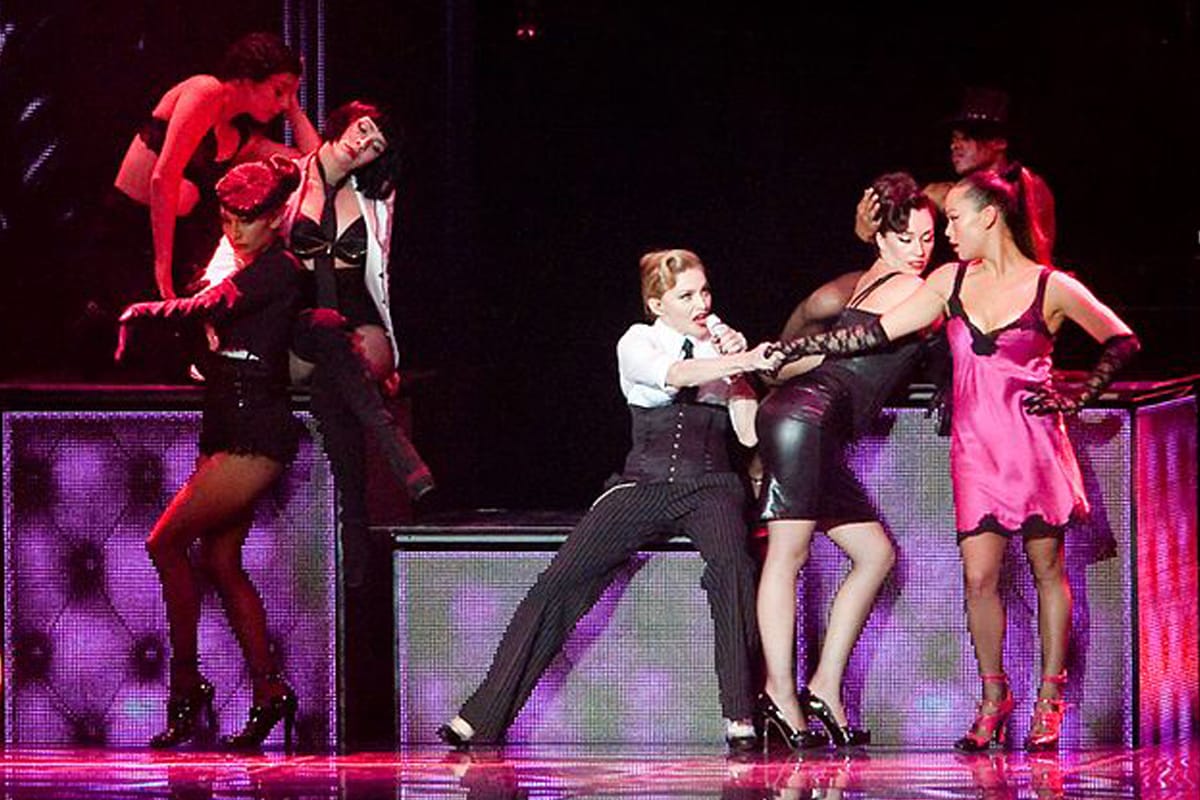
Breaking boundaries for female performers was always just natural to Madonna. Her instantly iconic cultural moments all came from the live stage, from dressing as a sexy Marie Antoinette at the 1990 VMAs to the cone bra adorned during the Blonde Ambition Tour to sharing kisses with both Britney Spears and Christina Aguilera on TV in 2003. She reframed live touring as narrative theatre, with new forms of choreography, fashion, lighting, and a lot of controversy.
4) Beyoncé – Precision, Scale, and Cultural Messaging
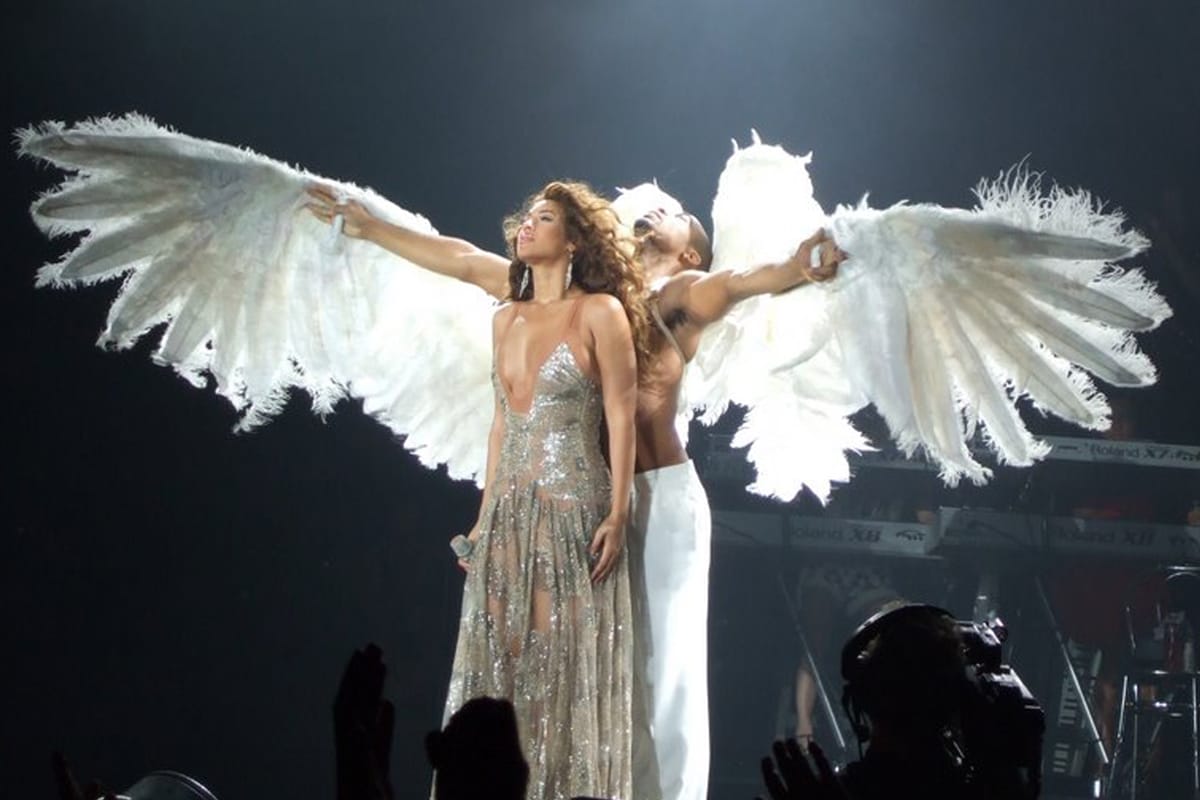
Queen Bey is one of the world’s most iconic musical artists, bringing mega studio hits to the stage with high-quality execution, choreography, stage design, and most importantly an empowering message for communities beyond her own fans. From Coachella to the Renaissance Tour, Beyoncé has fused spectacle with scholarship and cultural storytelling — raising expectations for what a stadium show can communicate.
5) Ani DiFranco – Building a Touring Empire Without a Major Label
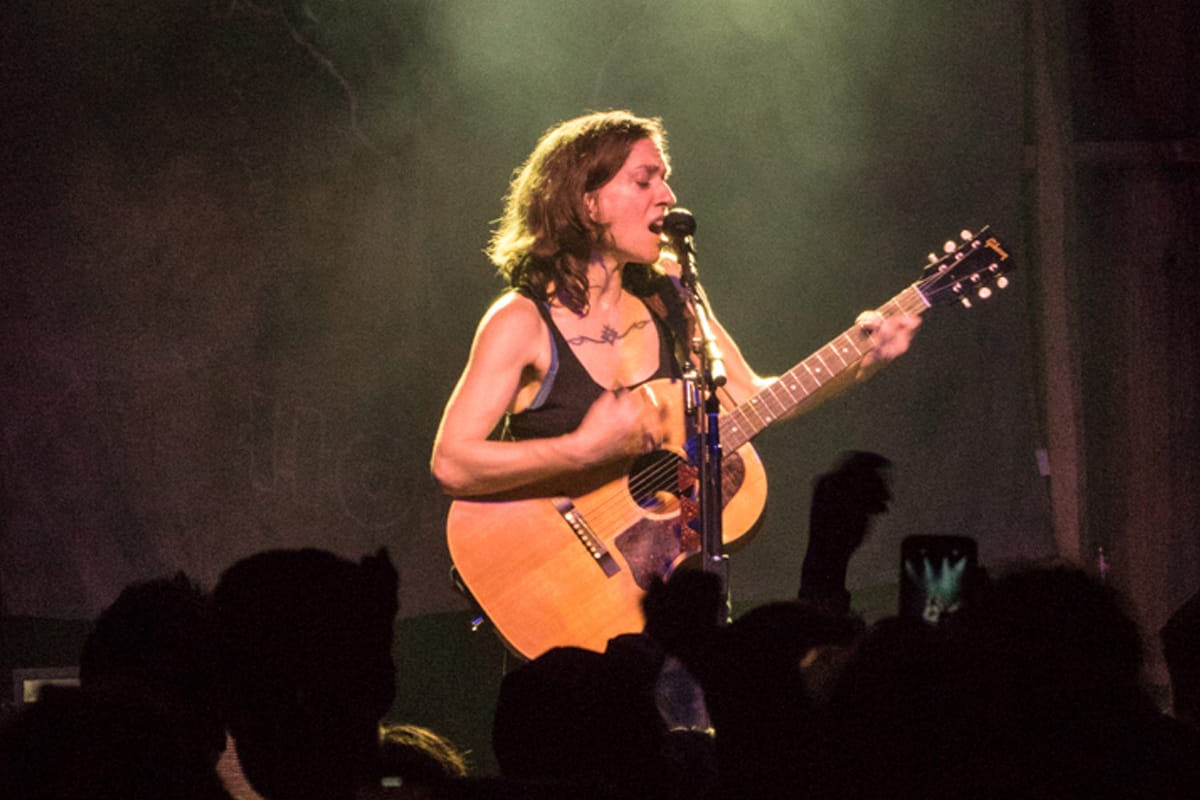
Ani DiFranco’s self-sustained, largely independent touring model showed that artists could build profitable live careers outside traditional label systems — a blueprint many indie artists still follow. DiFranco has also proven that politics and the live stage belong together, instead of the dominant perspective that one isolates the other.
6) Tina Turner – Proving Longevity and Global Touring Power
Tina Turner’s comeback tours in the ’80s and ’90s demonstrated that women could command massive global touring power well beyond industry “expiration dates.” Dubbed the "Queen of Rock 'n' Roll," Turner is also a pretty public survivor of domestic violence, and the live stage has always offered her and her audience a place for healing and connection that has resonated meaningfully for generations.
7) Imogen Heap – Turning Live Performance Into a Technological Instrument
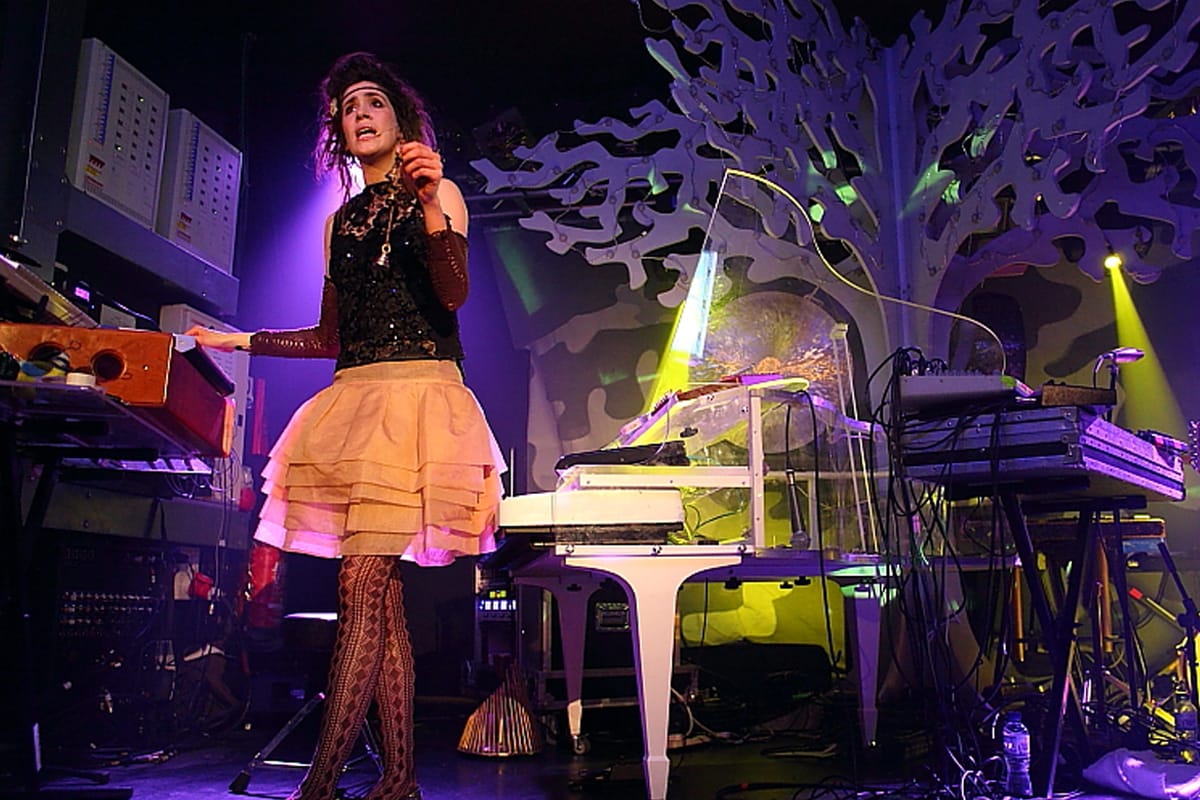
Long before “immersive” and “interactive” became live music buzzwords, Imogen Heap was building them. Developing the wearable motion-sensing Mi.Mu Gloves to manipulate sound, loops, lighting, and effects through physical gesture, as well as making use of commercially available tech for experimental pop-driven applications, Heap has constantly reimagined what a solo artist could do on stage without a band or traditional controller setup.
8) Billie Eilish – Mainstreaming Sustainable Touring
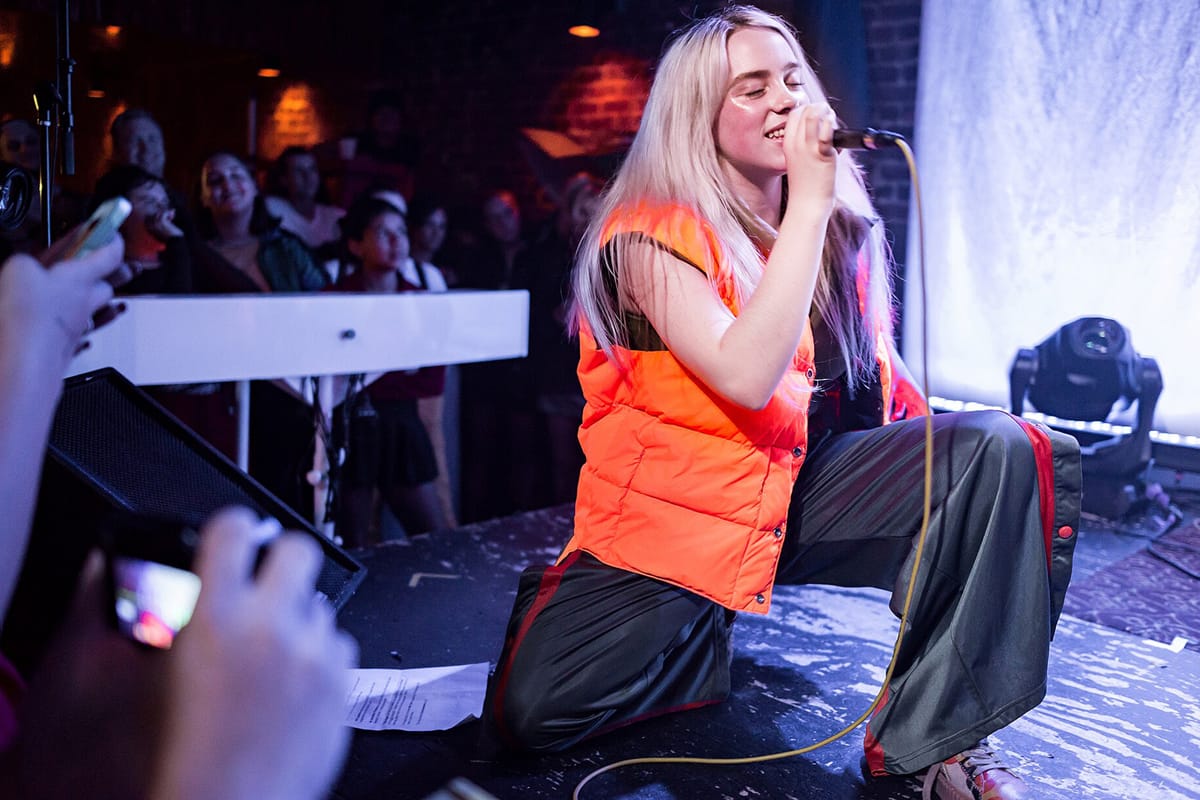
Eilish has risen to the top of pop stardom, but has prioritized both charity donations and commitments to reducing the environmental impact of live music's carbon footprint. She has encouraged fan climate action and helped push sustainability into mainstream touring conversations.
9) Janis Joplin – Redefining Female Stage Presence
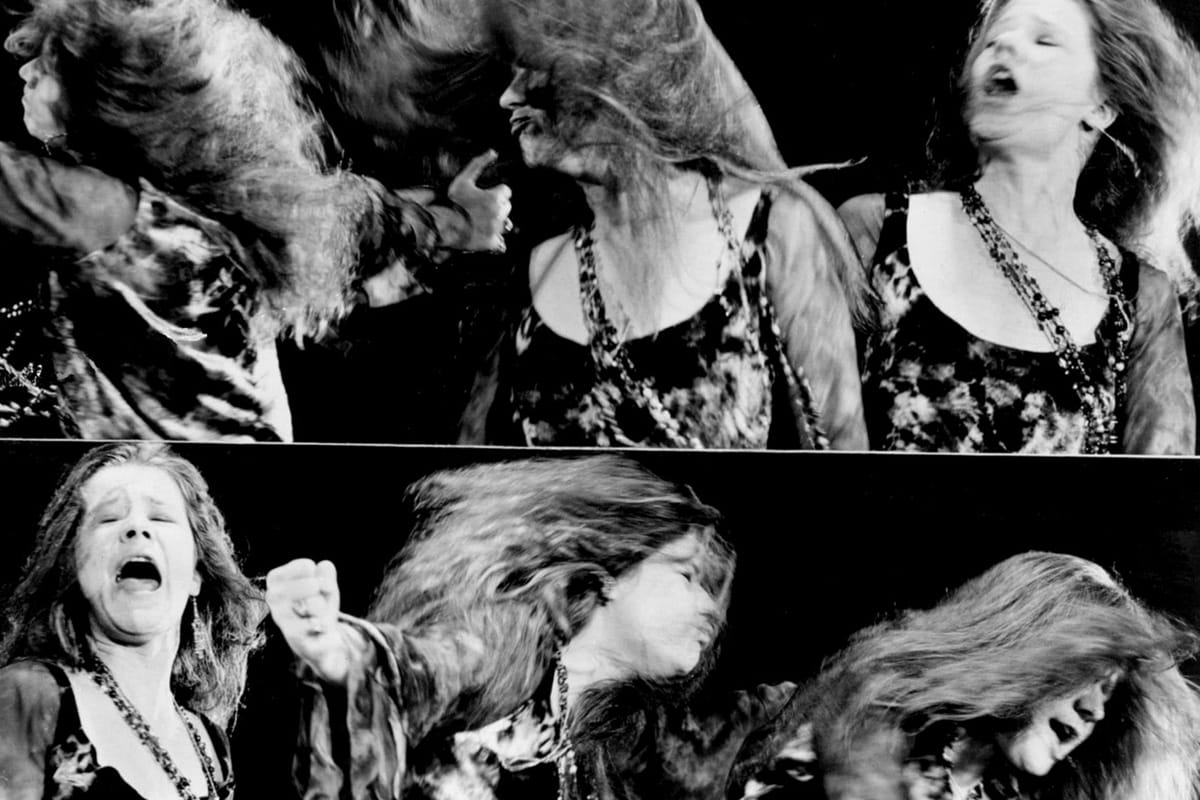
Throughout the mid-late 1960s, Janis Joplin shattered expectations of how women were “supposed” to perform live — raw, loud, unfiltered, and authentic. She was known for performing not just for fame, but as a direct, honest expression of her inner energy, even if that may have been considered "ugly" by contemporary gender standards.
10) Lady Gaga – the Spectacle as Identity
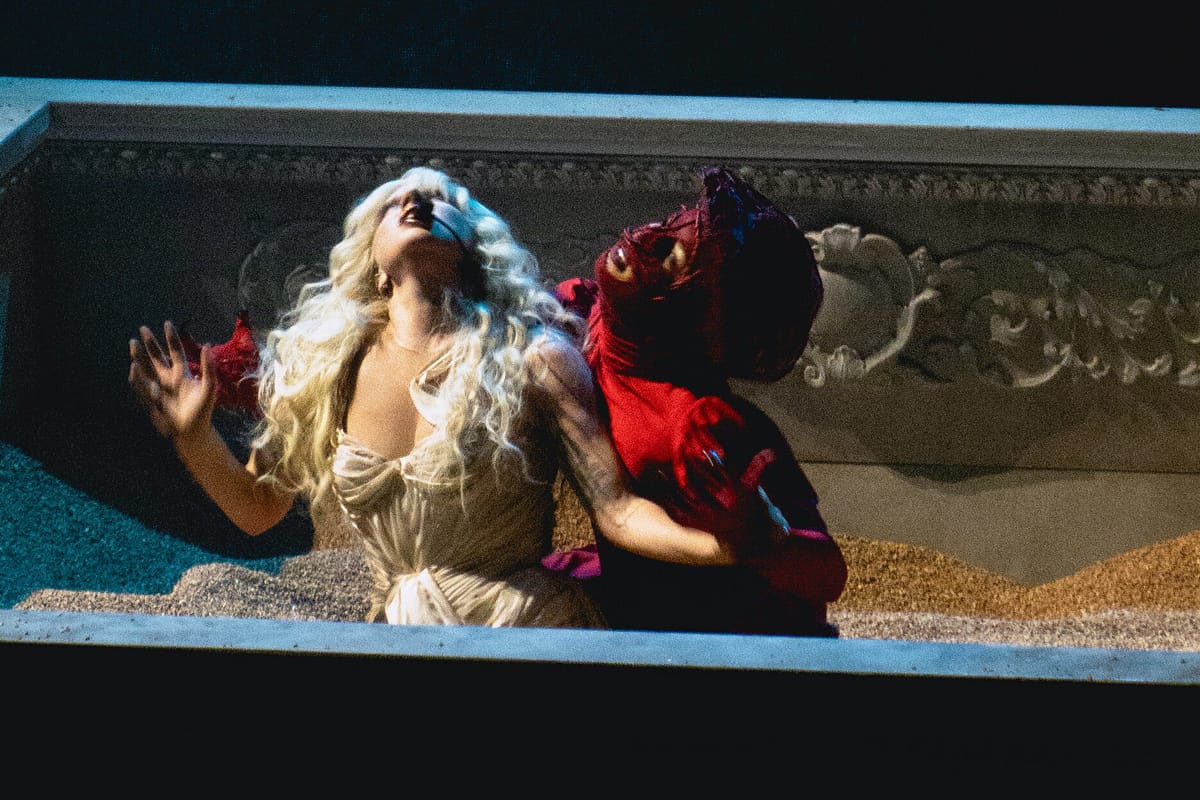
Lady Gaga turned the live show into immersive performance art — blending fashion, choreography, activism, and fan ritual. She doesn't do anything halfway, and so all of her global stadium-filling tours have featured over-the-top artwork, costumes, and entertainment. She's also a genre-spanning performance polymath.
11) Taylor Swift – Rewriting Touring Economics
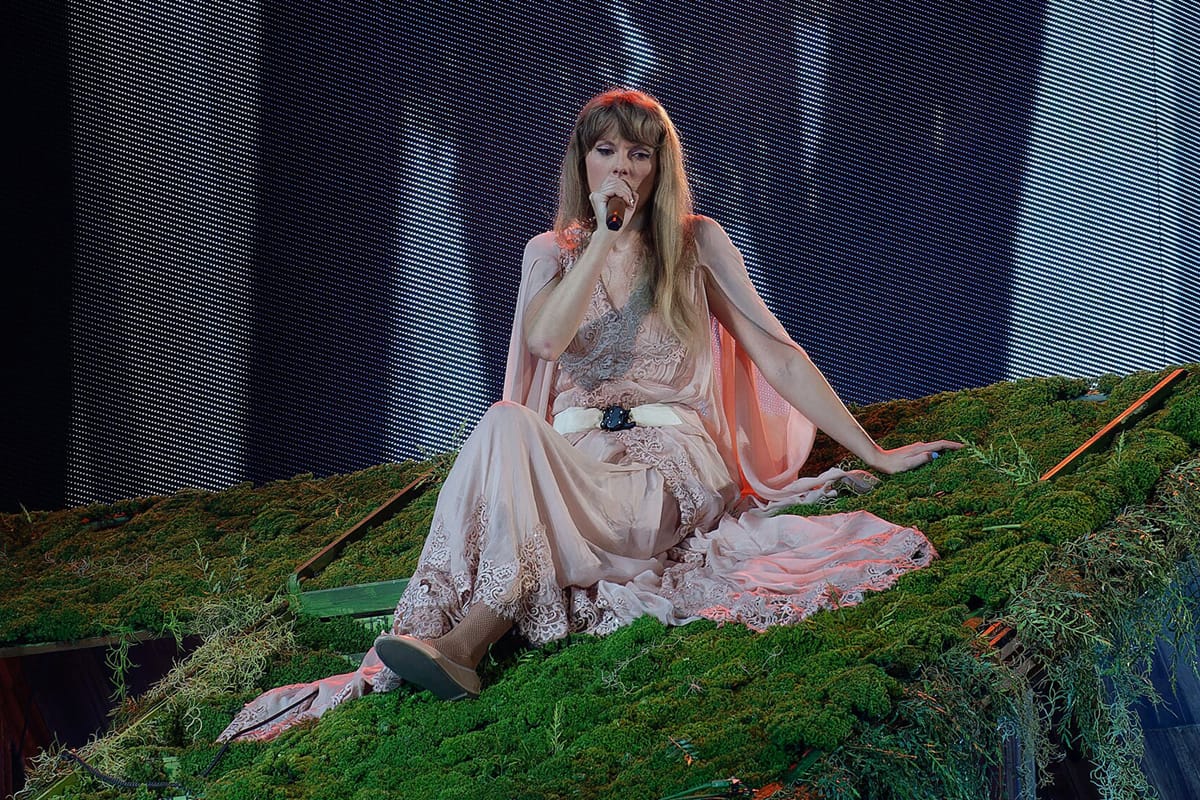
Tay Tay's Eras Tour didn’t just break records — it reshaped city-level economics and demonstrated the modern touring juggernaut model. All of a sudden urban municipalities were competing to host just a single night of Swift's performance in their city due to the sheer economic spending boost it would generate.
12) Cathy Lobé – Scaling Electronic Music Events
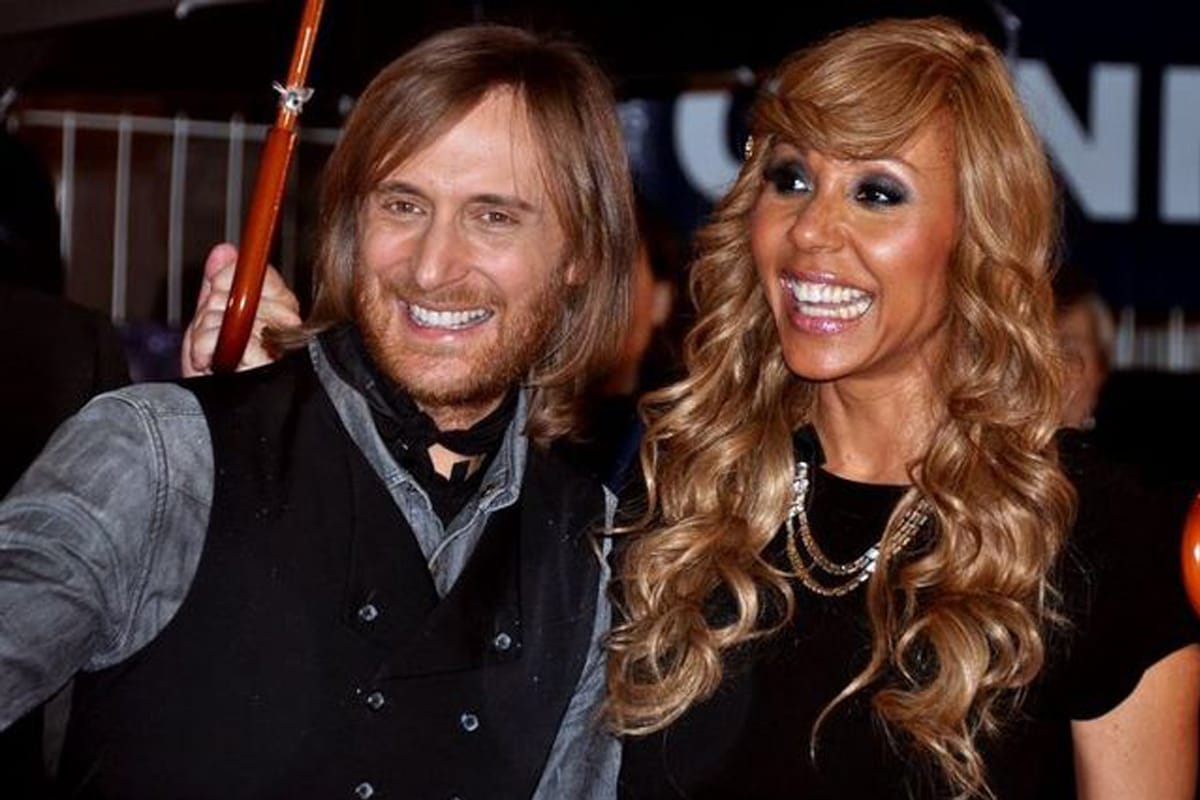
Her work in Ibiza helped professionalize and globalize large-scale dance music events for international DJs and audiences. Cathy Lobé (formerly Guetta) is a French nightclub manager, events organizer and the ex-wife of DJ/producer David Guetta.
13) Emily Eavis – Evolving the Modern Festival
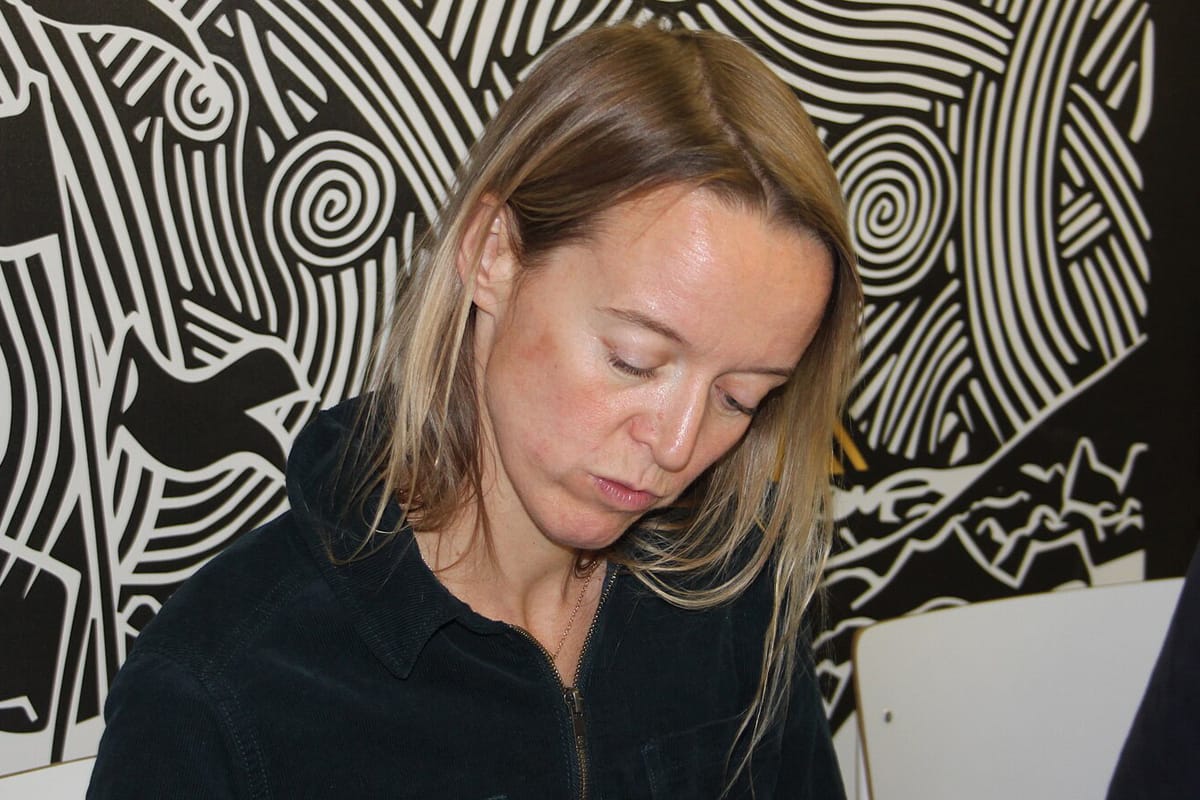
As co-organizer of the Glastonbury Festival, Eavis expanded diversity commitments, sustainability initiatives, and artist development pipelines at one of the world’s most influential festivals. Beyond Glastonbury, Eavis has organized concerts for Oxfam, protests of the Iraq War, and Fair Trade benefits with massive artists and even Greta Thunberg. She has advocated female equality in music and equal representation across festival stages, successfully booking the first two female Pyramid Stage headliners in history, Dua Lipa and SZA.
14) Deborah Rathwell – Breaking Barriers in Live Booking
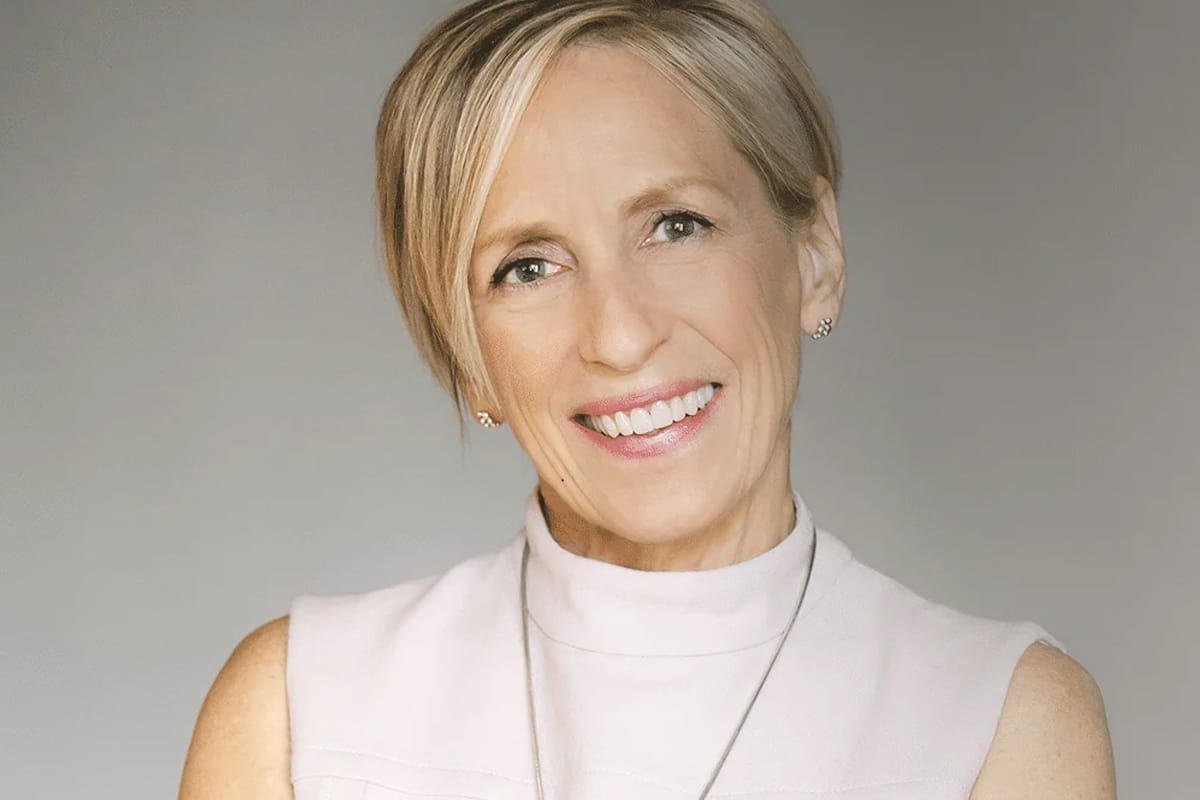
A respected promoter, agent, and music executive, Deborah Rathwell helped normalize women in high-level booking roles traditionally dominated by men. She has helped build the careers of many artists and put them on stages to entertain millions upon millions of fans.
15) Laura Escudé – Live Show Programmer to the Stars
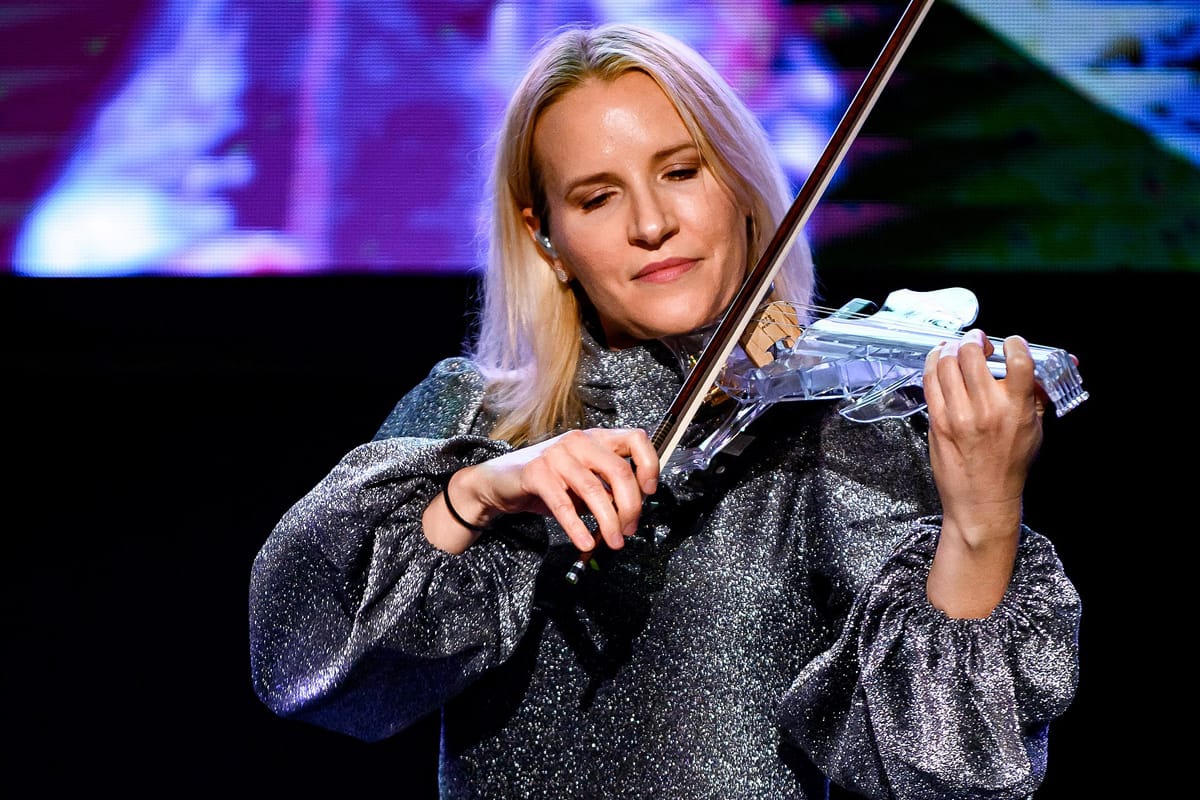
Laura Escudé is a violinist, producer, entrepreneur, educator, and sought-after live show electronic sound design programmer for artists such as Kanye West, The Weeknd, Herbie Hancock, Drake, Missy Elliott, Solange, Crystal Method, Bon Iver, and so many others.
Bonus Mentions
Last but not least, honorable mentions go out to the following women who have worked to expand live touring, booking, tech and performance on a meaningful scale:
- Marsha Vlasic – A legendary booking agent who helped scale arena touring for major artists, and a "true pioneer," as she was one of the first female agents in the music industry.
- Emma Banks – The Co-Head of CAA’s global touring division, instrumental in major international tours.
- Susan Rogers – A pioneering multi-platinum producer, sound engineer, author and educator, Rogers was Prince's trusted recording engineer on albums like Purple Rain and Sign o' the Times, and collected and catalogued all of his live and studio vault recordings.
- Amy Morrison – The Co-Founder and Chief Executive of the Music Sustainability Alliance, working to reshape the carbon footprint of live touring.
- Shirley Halperin – A journalist, editor, and author, she is the co-editor-in-chief of Rolling Stone; the first woman to hold this position in the magazine's 60-year history.
- Linda Perry – The former lead singer of 4 Non Blondes, Perry is a producer, songwriter, and label owner with hit credits for P!nk, Alicia Keys, and Celine Dion, and works to increase female representation in music production.
- Sylvia Rhone – One of the most trailblazing executives in history, she became the first woman CEO of a major record label (Epic Records), and the first Black woman to attain that title. She helped launch the careers of MC Lyte, Missy Elliott, Drake, Nicki Minaj and Lil Wayne.
- Suzanne de Passe – She worked for NYC's Cheetah nightclub and joined Motown, where she helped shape the careers of The Jackson 5, Diana Ross, and Lionel Ritchie, and eventually became president of Motown Productions, producing shows like Showtime at the Apollo and Sister, Sister.
Live music evolves when someone reimagines the stage, reshapes touring economics, works to build sustainable infrastructures, expands access and representation, or proves that new, alternative models work.
These (and so many other) women have done all of the above, time and time again. Their history is everyone's history, and as artists who have benefitted from this work, we salute and appreciate that history.