


In this piece, Steve Morse peers through the lens of music history, predicting that the transition into a new decade will likely bring about a major shift in the creative musical landscape, and usher in a new era of sound.
Guest post by Steve Morse of Berklee Online’s TakeNote
Rock historians get especially excited when a new decade rolls around, because, in addition to all the best-of lists we just finished compiling from the previous 10 years, a new decade often ushers in a time of intensely creative changes, including dramatic debuts and last hurrahs.
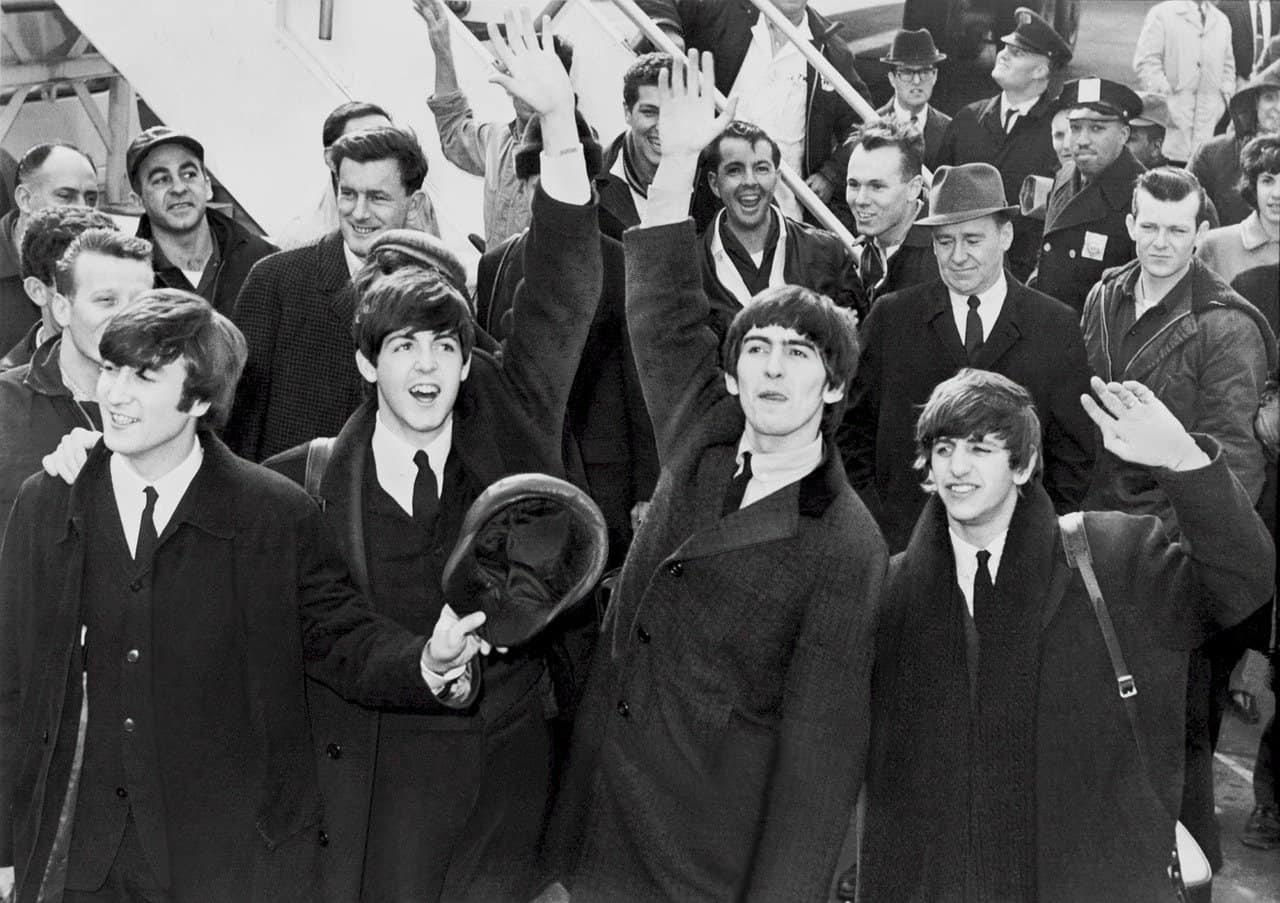
Case in point: The Beatles broke up in 1970, but Led Zeppelin and Elton John were right there to pick up the slack. Their debut albums came out in 1969 and helped spin the ’70s into a new era of experimentation that included heavy metal and glam rock. Zeppelin completed the decade by releasing their swan song in 1979, and disbanded after the death of John Bonham in 1980, which was also the year that saw debuts by the likes of INXS, the Cure, Psychedelic Furs, bands that would dominate the musical landscape of the 1980s, but we’ll get to that later.
Everyone is now wondering, of course, what will happen as we roar into the new ’20s decade. Rock has slipped this century with hip-hop, pop, and country all making noticeable strides. But if history tells us anything, rock is resilient and will be back. Any talk of it being “dead” is ridiculous—just look at the touring grosses of U2, Coldplay, Pearl Jam, Metallica, the Foo Fighters, and classic-rockers like the Rolling Stones, Billy Joel, and Bruce Springsteen dominating the top positions.
LEARN ROCK HISTORY WITH STEVE MORSE
Sure, these acts aren’t starting any new trends, but the younger generation is listening to them (classic-rock radio stations and playlists aren’t just for dinosaurs) and they were also influenced by last year’s highly successful movies about Queen singer Freddie Mercury (Bohemian Rhapsody) and Elton John (Rocketman), which became youth favorites.
Hopefully, the new generation can come up with something better than Greta Van Fleet (a young band labeled as Led Zep wannabes), but it won’t be for lack of trying. As one of my Berklee students wrote confidently this past semester, “My generation (Gen Z) will be responsible for its rebirth.”
This new decade has started with fresh-faced talent like Billie Eilish and Lizzo coming on strong. Lizzo, who is not expressly rock but has rock’s sense of rebellion, is even headlining one of the nights at Bonnaroo this year. Another will be topped by Tame Impala, which has helped bring psychedelic rock back into focus. And where Billie Eilish goes in the future should be fascinating. She has a rocker’s heart.
One thing is for sure: expect some kind of shakeup this year. We’ve had one at the dawn of every decade ever since the 1959-1960 transition which went sadly from the plane-crash deaths of Buddy Holly, Ritchie Valens, and the Big Bopper in ’59 (the so-called “Day the Music Died”) and the payola scandal of ’59 (which ensnared DJ Alan Freed) to the escapism of Chubby Checker’s dance craze of “The Twist” in 1960 and a parade of sugary, early ’60s teen idols who were then flattened by the rejuvenating British Invasion of the Beatles and Stones in ’64.
One thing is for sure: expect some kind of musical shakeup this year. We’ve had one at the dawn of every decade ever since 1959 became 1960. —Rock History course author Steve Morse #2020vision Click To Tweet
The end of the ’60s was marred by the Altamont Festival, where a fan was killed at a Stones concert in California, sticking a stake through the hippie dream of Woodstock. Plus, Jimi Hendrix and Janis Joplin both died in 1970 of drug overdoses, another blow to the hippie revolution. The resulting cynicism fueled angry, early ’70s rockers like Iggy Pop and Black Sabbath.
In addition to Zeppelin’s aforementioned dissolution in 1980, the end of that year saw John Lennon being senselessly murdered. An air of escapism again swept through, culminating in the start of the fashion-conscious MTV cable channel in 1981, which welcomed new teen idols in a second British invasion featuring Duran Duran, Wham!, Eurythmics, and Boy George of Culture Club all cranking out hit after hit.
Another shock-wave change came with Nirvana’s debut album in 1989, which spawned the grunge movement along with Soundgarden, Alice in Chains, and Pearl Jam, and slam-dunked the bloated hair metal bands of the ’80s. Nirvana’s second album, Nevermind, famously knocked Michael Jackson off the No. 1 slot in 1991.
The angst of the ’90s escalated and reached its logical conclusion with the fiasco of Woodstock ’99, which was full of aggro rap-metal acts as well as angry fans who felt ripped off by high food and drink prices and started fires during the last set by the Red Hot Chili Peppers. Rapes were reported during sets by Limp Bizkit and Korn.
Rock mostly went back underground in the early ’00s (clumsily called the double-aughts), with the Strokes leading a class of stylish NYC bands into semi-popularity and the 2009-2010 period wasn’t particularly noteworthy, except to point out the major industry changes occurring then. Live Nation and Ticketmaster merged in 2010 (much to the chagrin of consumers then faced with higher ticket prices) and Spotify arrived in 2010. Also, the Kickstarter crowdfunding platform started in 2009, which aided a lot of younger bands just getting started.
So, fast-forward to today. What happens next? Maybe we’ll see a revival of political rock given the volatility of the country right now. Or maybe we’ll see revivals of blues-rock, rockabilly, or heavy metal. Whatever it is, it may catch us totally by surprise, which is how the best rock always seems to work.
Steve Morse teaches Rock History for Berklee Online