

__________________________
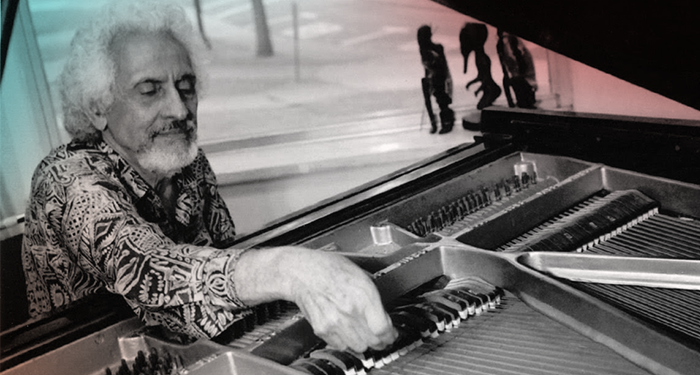
Guest post by Leticia Trandafir of Soundfly's FlypaperBefore the synthesizer, electronic experimenters were already at work with another instrument - the tape recorder.Before the ability to record, musical excellence, virtuosity, and authenticity were associated with playing a live instrument. In fact, recording was often perceived as a “dishonest” activity by some artists at its introduction. Until it fell into the hands of those willing to experiment…Of course, magnetic tape isn’t the first recording medium — we had paper or wax cylinders and vinyl discs before. But magnetic tape had an excellent frequency response, it was cheap, and you could easily cut and splice it. In other words, it was a tweaker’s paradise.The ability to record and especially manipulate sounds was a completely new concept that tape unlocked. You could take music out of its time and place, hear it again, cut it up, and rework it into something else. The tape recorder was turned on its head and became an instrument.In the big picture of music it was the beginning of a whole new era of creativity — we’re still feeling the effects right now. Here are five key moments in the history of tape music that changed the way we make music today.1. The First Electronic Music Composition
2. “Tape Music An Historic Concert”
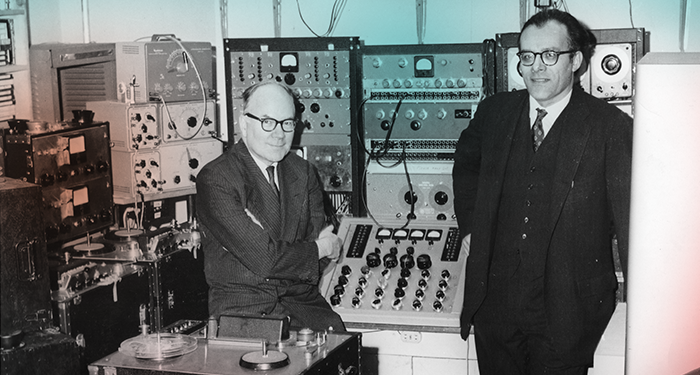 Vladimir Ussachevsky and Otto Luening are among the first American composers to integrate tape music into live performance and recordings in the United States. In 1952, Luening and Ussachevsky presented the first concert of music for tape in the US at the Museum of Modern Art in New York City. The result was pressed onto vinyl in 1968 and entitled Tape Music An Historic Concert.What was so striking about this concert? It showcased the creative capabilities of tape in conjunction with classical instruments — distortions, superimpositions, echoes, and timbral transformations fused with an orchestral composition.The result was an eerie and completely new kind of sound for the time. It marked the beginning of an American chapter in the legacy of tape music already happening in France, Britain, and other parts of the world. The famous conductor Leopold Stokowski, who went to the show, described tape music as:“Music that is composed directly with sound instead of first being written on paper and later made to sound. Just as the painter paints [their] picture directly with colors, so the musician composes [their] music directly with tone…”In the late 1950s, Ussachevsky and Luening founded the seminal Columbia-Princeton Electronic Music Center.
3. Pierre Schaeffer and Musique Concrète
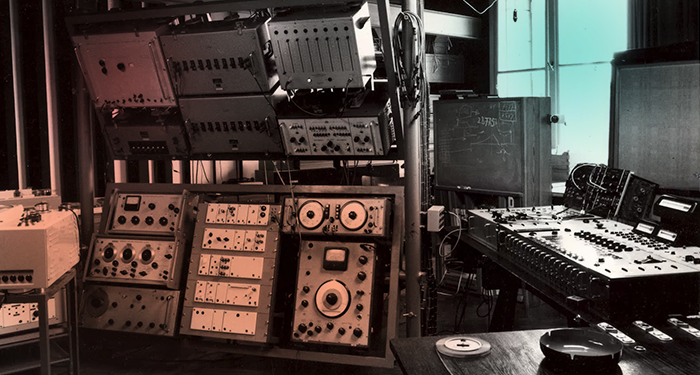
4. Pauline Oliveros and the Tape Music Center
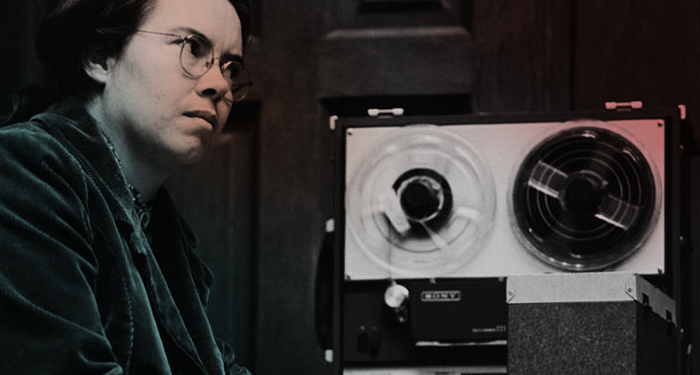
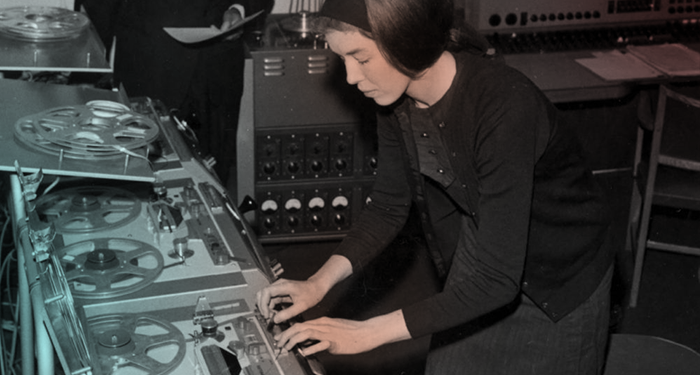
5. Delia Derbyshire and the BBC Radiophonic Workshop