

_________________________
Guest post by Dae Bogan of Dae Bogan MusicHappy October! It’s officially holiday season. Over the next few months thousands of holiday songs will be streamed and downloaded by millions of consumers around the world; especially in Washington D.C., but not so much in Idaho.The holiday season is pretty much the only time of year when arrangements of public domain works are highly rotated in commercial music. Cover songs are also very popular as music consumers enjoy classic and updated renditions of their favorite holiday tunes from their childhood. And for the most creative among us, original new holiday songs can also have a huge impact this season.Whether you decide to release a rock version of Silent Night, an R&B cover of Silver Bells, or an original new pumpkin spice rap record, here are a few tips to help you along the way:1. Song Selection – From a legal standpoint, there are three options when it comes to song selection: original song, public domain song, or cover song. If you plan to write and record a completely original song — original music, melody, and lyrics — then you will own the copyright in all of its components and can release it just like any of your other original song. If you want to create your own arrangement of a public domain song (e.g. Jingle Bells), you will own the copyright in your sound recording, but not in the underlying composition (unless you create a completely original arrangement; in which case you could own the copyright in the arrangement). However, you do not need to secure a mechanical license to record and distribute the public domain song, nor do you need to secure a synchronization license to use the song in a video that you would upload on YouTube. Public domain songs have fallen out of copyright protection and are freely available to perform and monetize by anyone without seeking permission and paying royalties to the original author(s) of the public domain song.5 Royalty Streams Every Indie Artist Should KnowCover songs (e.g. Feliz Navidad) are new versions of songs that are still under copyright protection. Therefore, you must obtain a mechanical licensein order to record and distribute the song and you are limited in how much you can alter the song lyrically and stylistically. If your performance of the song you’re covering is drastically dissimilar from the original, you begin to navigate into the realm of derivative works and your mechanical license would be in jeopardy. You’d have to get permission from the copyright owner instead of being able to utilize the compulsory mechanical licensing process, which does not require permission per se, but rather a notice and payment of royalties. You would also need to get a synchronization license directly from the copyright owner (e.g. publisher) to use the song in a video to upload to YouTube, or risk having your cover version taken down.How To Legally Record And Sell A Cover Song In 3 StepsWhichever you choose, make sure to know what obligations you have for your song. CD Baby put together this awesome quick-read on public domain vs. cover songs.2. Release – Depending on your song selection, you will be required to complete several or few steps before you’re able to release, as far as securing proper licenses. Once you’re cleared to release, create a single release campaign. In addition to the release, consider giving the song away to friends and family as a holiday gift. I like that CD Baby now offers physical on-demand. This may be a good way to get physical CDs with nice artwork available without the upfront cost of having to get them pressed up on your own dime.10 Steps To Building A Single Release Campaign3. Marketing & Promotion – If your holiday song is great, it could land on a holiday playlist on Spotify or Apple Music or, if submitted in a timely manner, it could end up on a Pandora channel or Music Choice holiday channel. I personally like to listen to a holiday channels on Pandora from November 1st through December 31st.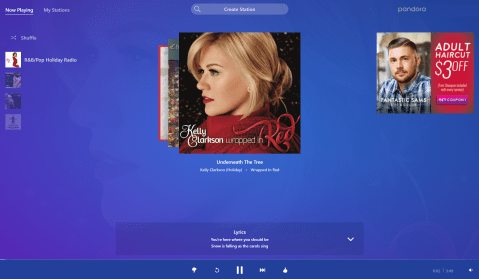
Related articles