

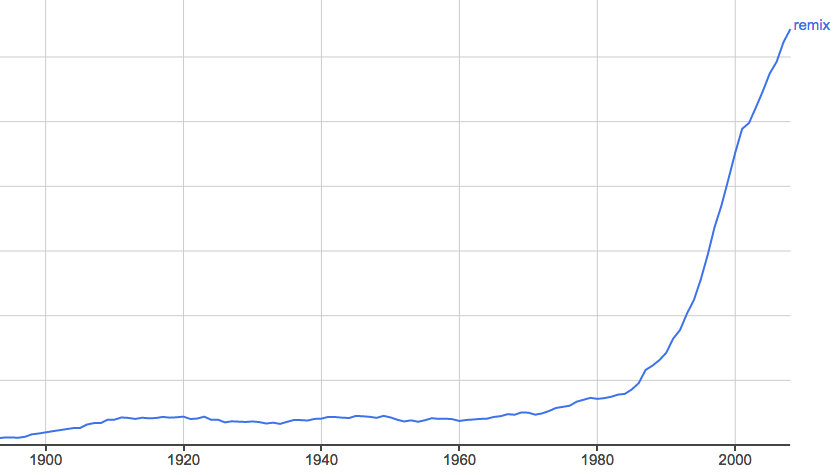
Remixing is the new punk
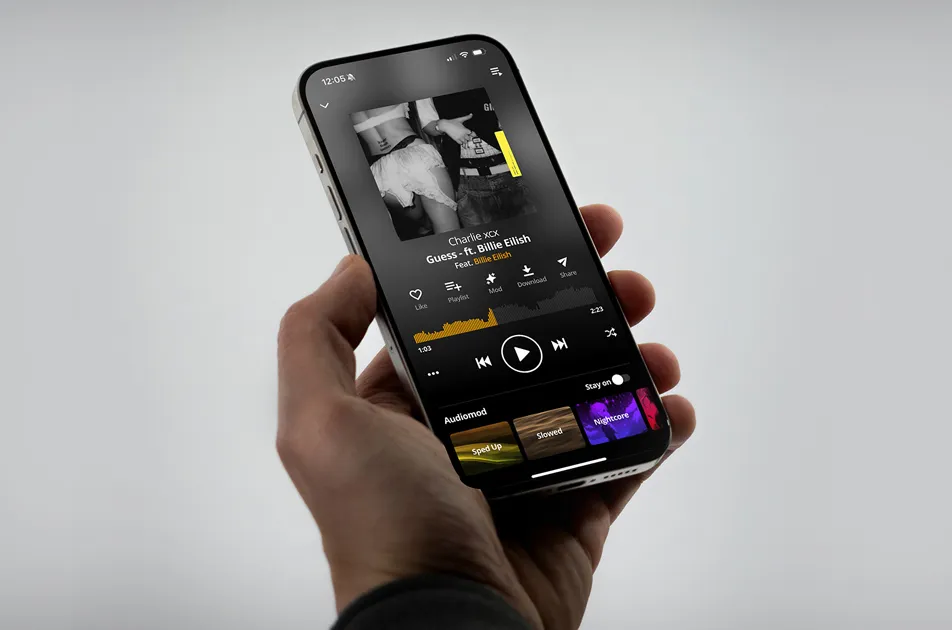
In a chat with Sub Pop founder Bruce Pavitt, who released the first albums of Nirvana, Mudhoney, and Soundgarden, he likened today’s remix culture with the rise of punk. With punk, suddenly anyone could pick up a guitar and express themselves without having had much practice or training. Now, with computers in our pockets that are more powerful than the computers on our desktops a few years ago, we can do that again.So Pavitt founded 8Stem, together with Adam Farish, who’ll be speaking at the c/o pop Convention in August. The 8Stem app has artists releasing their tracks in stem format, of which remixed stems are also made available in the app. Users of the app can listen to the tracks, reconfigure the stems, replace parts of songs with other stems, apply effects, and publish their personal remixes inside the app. These remixes can then be found and listened to by other users, including the original artist. They can even be re-remixed.Releasing stems for others to use is not new. Remix competitions are common, especially in electronic music, in which producers are encouraged to buy stem packs and then upload their remixes to Soundcloud with a special tag to enter it into the competition.The startup Tracklib is building a library full of stems, which can be purchased, used, and licensed at fair and transparent rates through the platform. Eventually, music will respond to environments and other influences, through apps like Weav, which makes music elastic and respond to the pace you’re moving at. This will thrive as our environments get more connected, smarter through AI, and our smartphones get even more powerful.Mixtapes for the mobile era
For mobile-first mixtapes, there is Pacemaker, which recently completed the prestigious Techstars Music startup acceleration program. What originally started as a hardware startup which released a pocket size DJ system, the startup is now focused on building an app which makes it easier for anyone to create a mix.Pacemaker lets you import your Spotify playlists and their AI will mix them for you at the tap of a button. You can then edit the transitions, or just play it as it is. Like 8Stem, the app allows you to publish your mix inside their platform, so that others can listen to it. By letting users sign in with Spotify, the app avoids the legal issues that Soundcloud has been plagued by for years.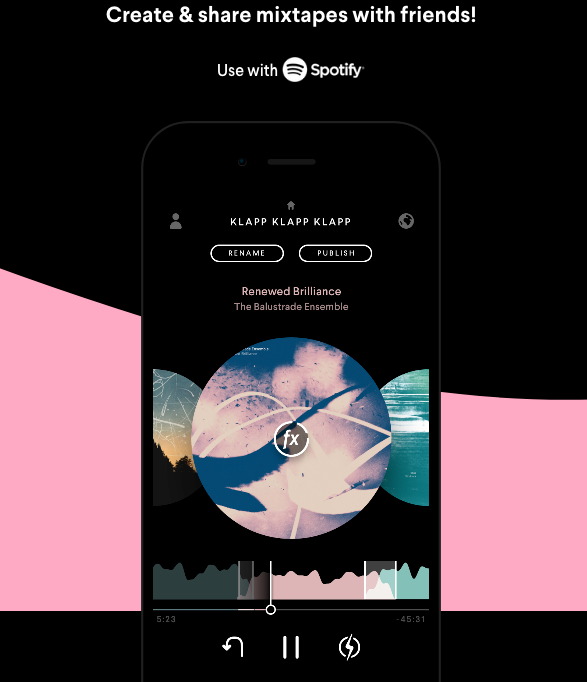
The relation of original artist & remixer
The challenging part for remix culture have always been the legal hurdles. On one side, there are those who feel culture should be accessible to all, and people should be able to sample, mix, and remix other people’s work (the open-source documentary RiP!: A Remix Manifesto comes to mind). Those who are opposed have varying reasons, from wanting control over how their music sounds and is listened to, to issues of monetization.For the latter issue, the fact that so many people are now listening to music through licensed services, whether YouTube, Soundcloud, or Apple Music, is great news. Pacemaker, for instance, knows exactly how much of each song is used in a mix, and can tell Spotify when the songs are played. Mixcloud makes users upload their tracklists and timestamp their mixes, so they can pay out rightsholders accordingly.MetaPop, a startup founded by former Beatport CEO Matthew Adell, has the stated aim of clearing up rights for remixes, so that the original artist and remixer can both get paid fairly. This strategy of growing the pie for everyone is likely to win over artists that never believed in leaving unauthorized remixes online. The startup was acquired by Native Instruments (NI), which builds some of the world’s most popular software for music production, DJing, as well as hardware. It’s unclear exactly what NI plans to do with the startup, but it bears keeping in mind that they also released Stems, a music format which allows DJs to remix music on the fly.Through the apps highlighted, streaming platforms, and social media in general, the relation between remixer and original artist is much more immediate. The streaming economy creates massive amounts of valuable data, and it’s getting easier to process and track that data, with blockchain promising to bring more efficiency, control, and granularity to that eventually. With the rise of machine learning, artificial intelligence, too, will play a role.What it means for the future, and what pioneers in this area are doing to innovate, is something we’ll be discussing at Cologne based conference c/o pop Convention 2017 (17 + 18th August).We hope to see you there.Related articles