

________________________________
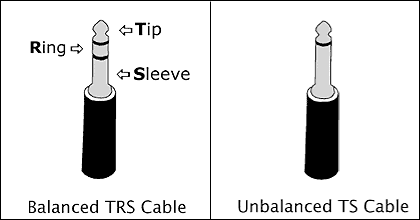
Guest Post by Max Alper on Soundfly's FlypaperLast week, Apple announced the release of the iPhone 7, among other new products and partnerships. The phone features innovative additions such as water resistant technology, dual lens cameras for professional quality photo and video, and sleek new design tweaks to the screen and phone body. Yet you’ve probably heard that something very noticeable will be missing from the new update: the f***ing headphone jack! I’m not going to go into why I find this aggressive motion of preemptive obsolescence and audio monopoly to be downright evil, but rather, to pay tribute to a fallen friend.Of course, musicians are still going to see 3.5mm (or 1/8″) audio jacks in our professional spheres, but this move will begin the mainstream shift to wireless audio, and folks like me just aren’t ready to say goodbye. So join me as we look back on the history of our old friends, headphones and aux cables. I barely knew ye.History & Development
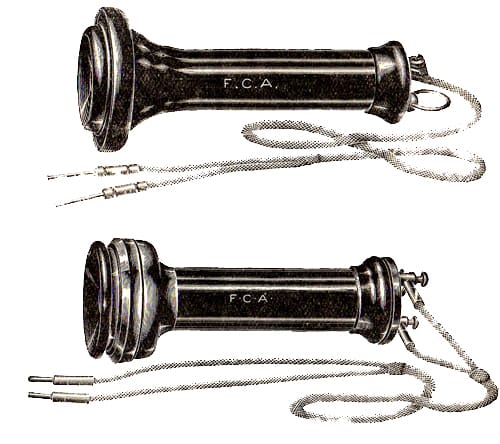
The roots of 3.5mm audio cables are found not in pro-audio or early music technology, but in the earliest era of telecommunications. The predecessor of the 3.5mm jack was the 6.35mm (otherwise known as the 1/4″), which was developed as early as 1878 to be used as a “phone connector,” patching one input to another in telephone operator switchboards.
The Future?
So while Apple seems hellbent on shrinking their devices as much as possible, removing anything that’s just lying around taking up space, they do have a plan to make the transition to wireless a bit less radical for users.Apple plans on providing 1/8″-to-lightning port adapters for folks with “traditional” headphones (a soon-to-be retronym). But even then, their new design prevents a user from using headphones and charging their device at the same time. Accessories companies such as Belkin have already announced a dual lightning port dongle to solve this issue, even if Apple hasn’t officially provided a way to allow simultaneous use of the port, themselves. And while many tech analysts see this as just another way Apple leads technology into new generations, such as they did objectively obsolete technology like the floppy disk and CD/DVD drives,this is the first time they’re directly taking on the pro-audio field. And the pro-audio field has strong opinions.General distrust and dismissal of Bluetooth technology remains prevalent in the studio world when it comes to input and output of signal, and forcing professional engineers and casual listeners alike to choose between the universal reliability of the TRS plug and the not-so-reliable Bluetooth, or the completely un-battle-tested lightning port, might create some rifts in what used to be a reliable customer-base. Yet there have also been arguments in favor of the robust, lossless fidelity of wireless audio in optimal conditions, and some are still on the fence.Will we see a boycott of Apple products from audio engineers? Will Apple backtrack and find a way so that we all win? Or will engineers be forced to adapt to living in a wireless world? The battle has only just begun, and only time will tell whether this is actually the final goodbye to my beloved 1/8″.Related articles