

By Mark Gee of 122 Music Management
Live music has a problem.
In recent weeks, what some have dubbed "Blue Dot Fever" has brought this into focus. Fans priced out of tickets. Tours cancelled. And an industry scrambling for explanations. But let’s not overcomplicate this; people aren’t going to gigs because, increasingly, they can’t afford to.
A gig is not just the ticket price either; it’s transport, food, drinks, and everything around it. What was once normal is now, for many, a luxury.
At the grassroots level, the impact is even starker. Even free-entry shows struggle to draw crowds.
Live music spaces are not neutral spaces. They can be inaccessible for those with disabilities, overwhelming for anyone who is neurodivergent, or plain unsafe for women. In short, for anyone who doesn’t feel at ease in crowded environments, inaccessibility is inbuilt.
Simultaneously, whilst recent headlines focus on mainstream acts, independent artists have been operating on unsustainable margins for years. Streaming revenues are negligible. Touring, fingers crossed, means breaking even. Visibility is fragmented and fleeting. The traditional model of "record > release > tour" is no longer a reliable path to sustainability.
This is the landscape. So, if the current system excludes both audiences and artists, what comes next?
From where I sit, this isn’t theoretical. Recently, I have been working on UK tours for two oversees acts. Both acts have momentum, with major festival appearances ahead. Fortunately, they also receive financial support to enable them to tour.
However, booking UK tour support slots is a different ball game. Put simply, artists have to weigh up whether it’s worth it. In many cases, without a similar financial safety net, it’s not. Which I completely empathize with.
As a promoter, I have also been forced to reckon with the financial costs of putting on live nights. To recalibrate what “success” looks like.
Yet, I know, from other projects, that there is an audience of music lovers out there. Equally, artists I know are open to new formats as long as they’re meaningful and financially viable.
The gap isn’t interest. It’s infrastructure. The industry is still optimized for a version of live music that fewer people can fully participate in.
And that’s where alternative models start to matter.
24:1900 is one attempt to rethink the format.
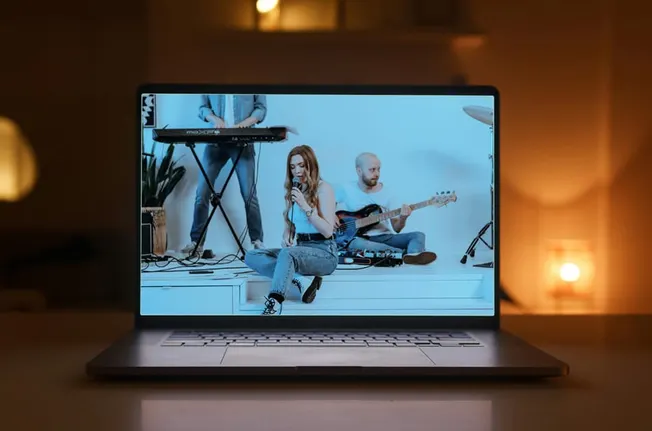
It’s a 24-hour virtual music festival: 24 artists, across 24 time zones, each performing at 7pm (1900) local time. Pre-recorded 40-minute sets premiere across a rolling global schedule, followed by live online chats that collapse the distance between artist and audience. Local in feeling, global in reach.
On the surface, it’s simple. But the implications are broader.
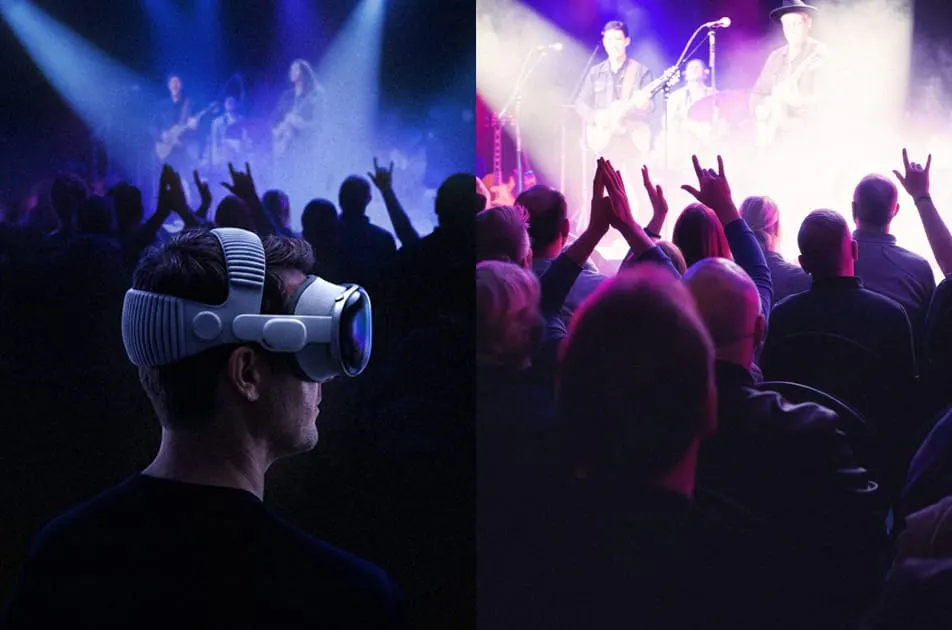
No travel costs. No geographic constraints. No crowd-related anxiety. No unwanted contact. Just live music on your terms, in your space, with the option to dip in/out as you choose. Watch alone, watch with family, watch with friends, watch live or later (sets are available on demand for up to three months post-livestream).
This year, we are crowdfunding so that we can make 24:1900 free to watch. That shift matters; audiences aren’t priced out, and artists are paid upfront.
24:1900 also flattens the global playing field. Artists from regions often treated as peripheral (e.g Asia) are treated as equals, not as a novelty. They’re part of the same platform, with the same visibility. In turn, this creates new communities and opportunities.
And then there’s the environmental dimension. Traditional festivals are carbon-heavy by design; travel, waste, infrastructure. Travel alone accounts for a huge share of emissions. Virtual events aren’t perfect, but they dramatically reduce the most damaging elements.
This is not about replacing the live experience. Let me be clear: virtual concerts and festivals won’t replace the electricity of a packed room or the huddled sweaty mass of a summer’s evening. They shouldn’t. They don’t have to either.
But treating virtual events as a second-tier substitute misses the point. They should be an expansion of the live music ecosystem.
If the current moment tells us anything, it’s that relying on a single model for live music is no longer sustainable.
The future of live music should be layered. Physical and virtual experiences existing side by side, each serving different needs. One offering immediacy and atmosphere. The other offering access and reach.
For artists, that opens up new ways to build audiences globally without the same financial risk. For fans, it creates more ways to engage with music that fit their circumstances, not the other way around.
The shift required isn’t just technological; it’s cultural. Virtual events need to be seen not as a fallback, but as a legitimate and valuable format in their own right - Nugs livestreams performances from major artists, suggesting a cultural shift is under way.
Because the goal isn’t to preserve the past. It’s to make sure there’s still a future worth showing up for.
And that means building models that reflect how people actually live now. Not how the industry used to work.
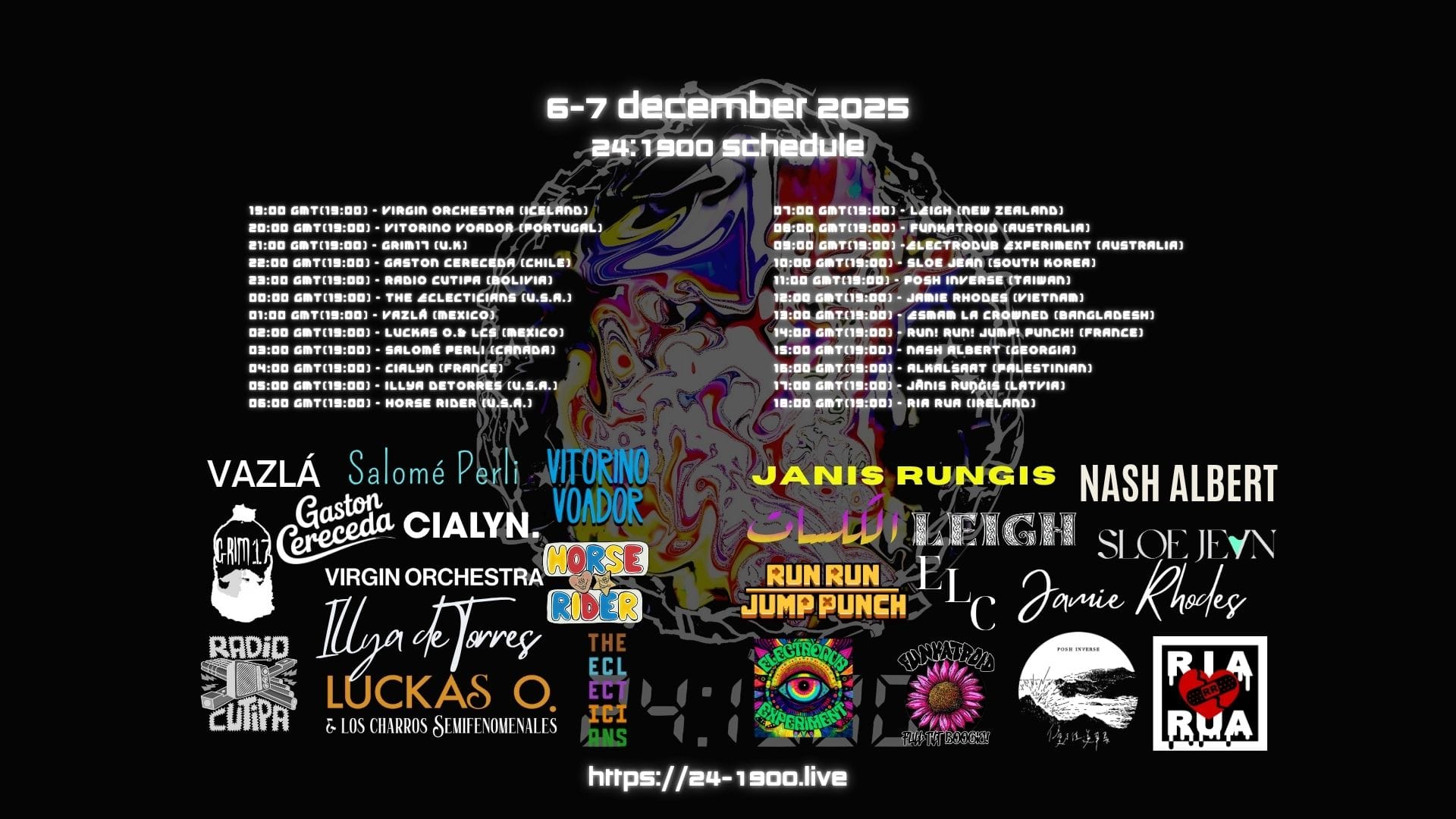
24:1900 is an 24-hour online music festival designed to support independent artists from around the globe, helping them spread their music widely and sustainably. The event is entirely virtual, featuring pre-recorded 40-minute(ish) sets followed by live online chats with fans. Help support the 2026 edition here.
Mark Gee is the founder and director of 122 Music Management, as well as the curator of the 24:1900 music festival and Table Turners pop-up record store.