

After years of controversy over AI companies training their models on copyrighted music without permission, a different approach is gathering momentum: actually asking the artists first.
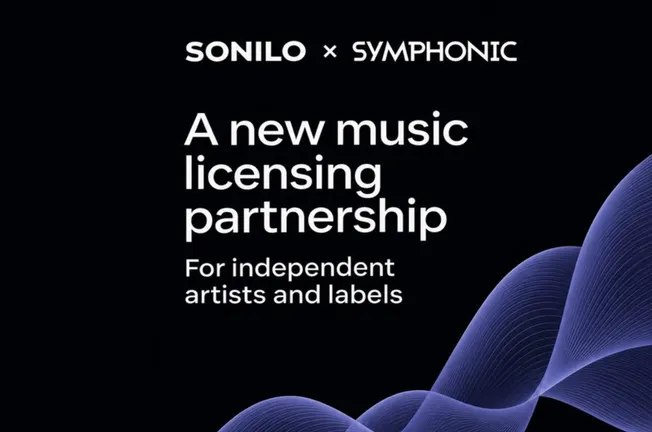
AI music startup Sonilo, founded by former TikTok executives and backed by $11 million in funding, has signed a licensing agreement with independent music distributor Symphonic that allows the company to train its generative music models on recordings from participating independent artists and labels.
The key distinctions? Participation is voluntary, and rights holders are supposed to get paid.
Announced November 18, the agreement offers an alternative to the unauthorized scraping that has fueled legal battles and growing mistrust between the music industry and AI developers. But what exactly are independent artists agreeing to when they license their music to an AI company?
A new revenue stream for independent music
Sonilo develops technology that generates music and sound effects from video footage and text prompts. Its customers include video creators and production teams looking for custom soundtracks.
The company says it trains its models on licensed recordings and provides attribution reporting to help identify and compensate contributing rights holders. Symphonic CEO Jorge Brea says:
"AI is only a real opportunity for artists when it’s built on consent, transparency and fair payment. This agreement gives our independent artists and labels a direct, paid way to take part in AI music, on terms that respect their rights."
The Sonilo agreement is not Symphonic's first experiment in AI licensing. The distributor has previously announced arrangements with Musical AI, SourceAudio, and Sureel, giving participating artists access to a growing marketplace for licensed training data.
Music that might otherwise sit dormant in a catalog could generate additional revenue by helping develop new technology.
+Read more: "Believe, TuneCore Artists Can Opt Into Spotify’s AI Remix Tool"
But opting in isn't quite as simple as it sounds
The financial terms of Sonilo's agreement haven't been disclosed, and neither company has revealed how many artists have signed up. Symphonic's broader AI licensing documentation, however, provides some illuminating details.
Under its standard program, artists receive 80% of net revenue collected by Symphonic, while the distributor retains 20%. There is no guaranteed minimum payment. More significantly, participation applies to an artist's entire Symphonic account, rather than individual recordings. Artists cannot freely opt in and out during their distribution agreement.
Even after an agreement ends, previously issued dataset licenses can remain in effect, and music already incorporated into an AI model cannot simply be removed from its training history. These are terms of Symphonic's general AI licensing program, not necessarily additional conditions unique to Sonilo. But they illustrate why understanding the contract matters as much as the promise of payment.
Five questions independent artists should ask before licensing music to AI
Before agreeing to an AI training deal, artists and managers should establish:
- How will I actually get paid? Is compensation based on an upfront licensing fee, generated output, revenue sharing, or some combination? Are minimum payments guaranteed?
- What rights am I granting? Does the license cover master recordings, compositions, stems, or vocal performances? Could it permit voice modeling or other uses beyond training?
- Can I control which recordings are included? An account-wide agreement is very different from approving individual songs.
- Can I withdraw my permission? Find out whether existing licenses survive termination and what happens to models already trained on the music.
- What reporting will I receive? Will the artist know which companies use their recordings, how those uses are measured, and how payments are calculated?
There is also a basic rights-clearance issue: Artists who use samples, licensed beats, or outside collaborators may not have the authority to approve AI training without additional permissions.