

By Angela Tyler of Muddy Paw PR
Coming up in the industry, there wasn’t anything I said "no" to. If an artist asked me for help with their bio, I was in. If they wanted advice on pulling more people into a show, I found a way to be knowledgeable about that. I maintained a strict DIY or die ethos, and that served me well as I grew my business and made connections.
But the thing is, somewhere along the way we get burnt out. We stop saying "yes." And we fall behind.
But there’s an advantage that indie artists have over the majors and it’s not being deployed nearly enough. Here’s the secret: marketing wise, we can do anything we want with very little consequence — and we get to have fun doing it.
When you’re an indie, it’s easy to focus on the struggles, and that’s valid. But there’s so many positive aspects to not having to play by anyone else’s rules, and that can be seen in the way you show up, attract a new fanbase, market your music, and invite them into your world each and every day.
And one of the most efficient, often overlooked and even lucrative ways to do that? Brand partnerships.
While you might think that these partnerships are reserved for huge artists partnering with household names, partnering with local and small regional brands even if you’re a brand new artist is 100% possible. Here’s how to get started.
Identify Your Brand
Ah, the fun part! First, you need to know what your brand is.
- Ask yourself what you like/dislike about other artists. Do you love that they have wild shows or do you prefer something more intimate? Do you like that they’re super vulnerable online or do you find yourself connecting with the more mysterious ones?
- Now that you’ve done that with artists, repeat with brands. What brands do you feel a sense of loyalty to and why? Example: I’m loyal to a certain notebook brand because I like the way their copy and aesthetic me feel: Serious, but creative. Studious, but filled with wonder.
- Pay attention to the aesthetics you’re drawn to. Do you like vivid colors or muted ones? Do you prefer ads that are in your face or more subtle? Do you like cozy things or high-adrenaline things? If you need a hint, look at the media you tend to consume.
All of this gives you an idea of what kind of brand you’re trying to cultivate. So, take your time with this one. Don’t rush it.
And if you need a little inspiration, I think Bad Bunny at the Superbowl is an incredible example of a surprising, yet ultimately brilliant collaboration and messaging. There’s also Lizzo and Fabletics.

As someone who has been unapologetic in standing up to body shaming, and has made it her mission to ensure women feel good in their bodies, the partnership made perfect sense. It was a perfect compliment to the message she’d already been sharing with fans through her music.
But, as we said, those are big artists with big brand contracts. The next step is to take your potential and look “local” for it. Read on!
+Read more: "What Music Means for Wellness Brands"
Make a List of Local Brands You Admire
If you’re new to brand partnerships, it’s best to start out with some smaller companies that are still in the early stages, especially if that’s where you are as well. There is so much gold to be panned in your own backyard. As you grow and create more and more opportunities for the brands you work with, you can start to reach out to bigger brands.
So start small. Initially, just start making a list of any local brands you can think of. Once you start brainstorming, you’ll be surprised at how many different ideas you have and the way each is shaped by your vision.
That coffee shop may be great for an open mic and a latte named after your new song; the art gallery could be just right for a press-only acoustic show; and the local clothing spot making waves is another potential win for your merch table.
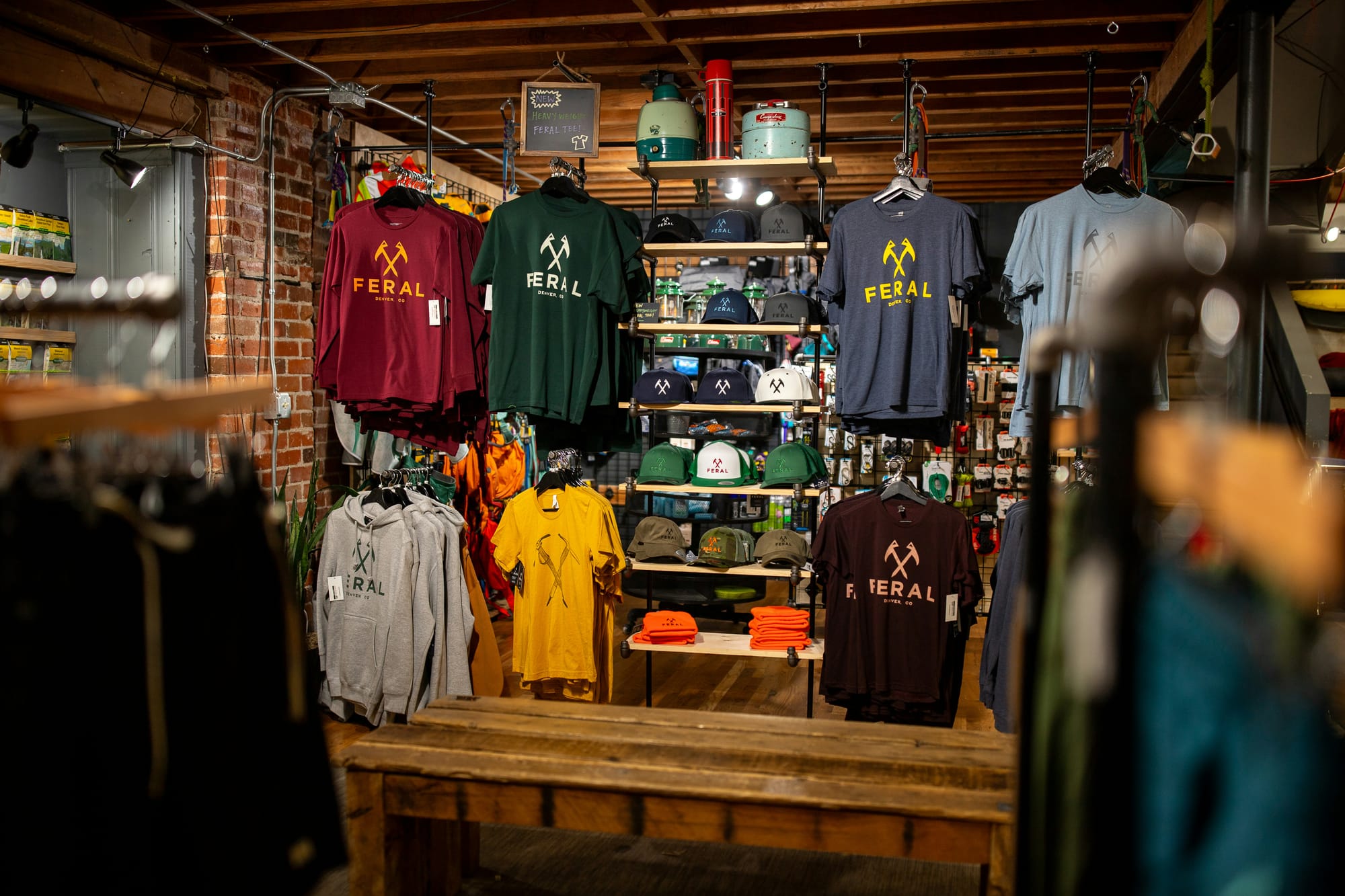
If you need a little help, try searching online and on social media.
- Look on Instagram to sort results by location. You’ll often find brands tagging the city you live in. And sometimes a brand will like one of your photos if you’ve tagged the location (which sends a message, hint hint!).
- Hashtags are another great way to find and target local or indie brands. #BostonBusiness, #BestofCleveland, #Chicagoindie and you can even get more specific.
- Search local photographers and their shoot locations. They’re often shooting in unique locations that are often small-business friendly.
- When you’ve exhausted social media, start to search places in your area by the city or town you’re in with different keywords such as “Boston local coffee shops” or “Burlington thrift store.” This is how I ended up facilitating a partnership between my artist and a Lisbon coffee shop, all the way from my home in Boston!
- Check out local flea markets and street fairs. Even if it’s not in season, you can look up lists of vendors and those that have participated. I know that in Boston, we have at least 30+ local brands at every single one of the markets and it’s a great place to start.
- Ask around. Your friends and family are probably the best place to start! Make posts on social media asking for people’s favorite indie brand. You may even find some outside your local area!
These are just a few ideas. The more you start thinking about it, the more you’ll see these opportunities popping up!
+Read more: "Softside's Erin Singleton on the New Era of Fan-Powered Merch"
Tell the Brands Exactly What They Get From Working With You
With brand partnerships, and really, any partnership, you want to make the yes as easy as possible, so it’s best not to leave too much to the imagination. Keep your pitch short, keep it personalized (detail why you like the brand and think you’d be a great fit to work together), and give specifics on how you see the partnership working.
The point here is to pique their interest in a project without asking them to spend time developing it. Don't wait around for brands to call you, be proactive. You can suggest that:
- They use your song in an IG Reel about (a topic that aligns with your brand and theirs),
- You wear their shirt in an upcoming video shoot, and then mention and link to it,
- You use their product in a music video or post,
- You donate your time to an upcoming event or auction in exchange for your songs on their event playlist or brochure,
- You do a performance residency at their space, in return for a product or special being named after you. (For example: a local brewery and one of the beers gets named after your band or one of your songs.)
If you have a stronger following or an existing relationship you can also approach brands about sponsoring an entire tour, a record release show, or some other opportunity where you are provided monetary compensation for their name appearing in front of a wider audience.
Try to really tailor what you’re doing to that specific brand. There might be some overlap but for the most part, they should feel like working with you is a unique opportunity. If they feel like you’re copy and pasting the same email to one hundred different places just like them, the offer feels less compelling.
+Read more: "How Come Nobody Ever Talks About 'Casual Fans?'"
Final Thoughts
Brand partnerships are an incredibly lucrative way for bands to grow their audience, and even if you’re new to it, I highly recommend taking the time to just begin to brainstorm different brand partnerships for now, as well as some to work towards over the next year or so. It’s honestly such a fun way to grow together and a great way to mix things up. Not to mention the content and social proof it gives for social media!
Don’t forget to think outside the box with these partnerships as well. If you see a brand that makes sense for the audience you’re trying to reach or the message you’re trying to convey, go for it! Over time, you’ll continue to grow, and you’ll be seeing partnerships everywhere you look.
Angela Tyler is the founder of Muddy Paw PR, where her artists have seen placement on American Songwriter, Earmilk, and more, as well as the Vice President of the A&R Foundation, a non-profit that provides independent musicians and creative arts businesses with tools, resources, and education on entrepreneurship.