

__________________________
Guest post by Rory Seydel of LandrCadence Weapon—AKA Rollie Pemberton—has been at the forefront of experimental hip-hop for over a decade.Whether he's publishing poetry or pushing the limits of beat-making and creating, Cadence Weapon is constantly bucking conformity.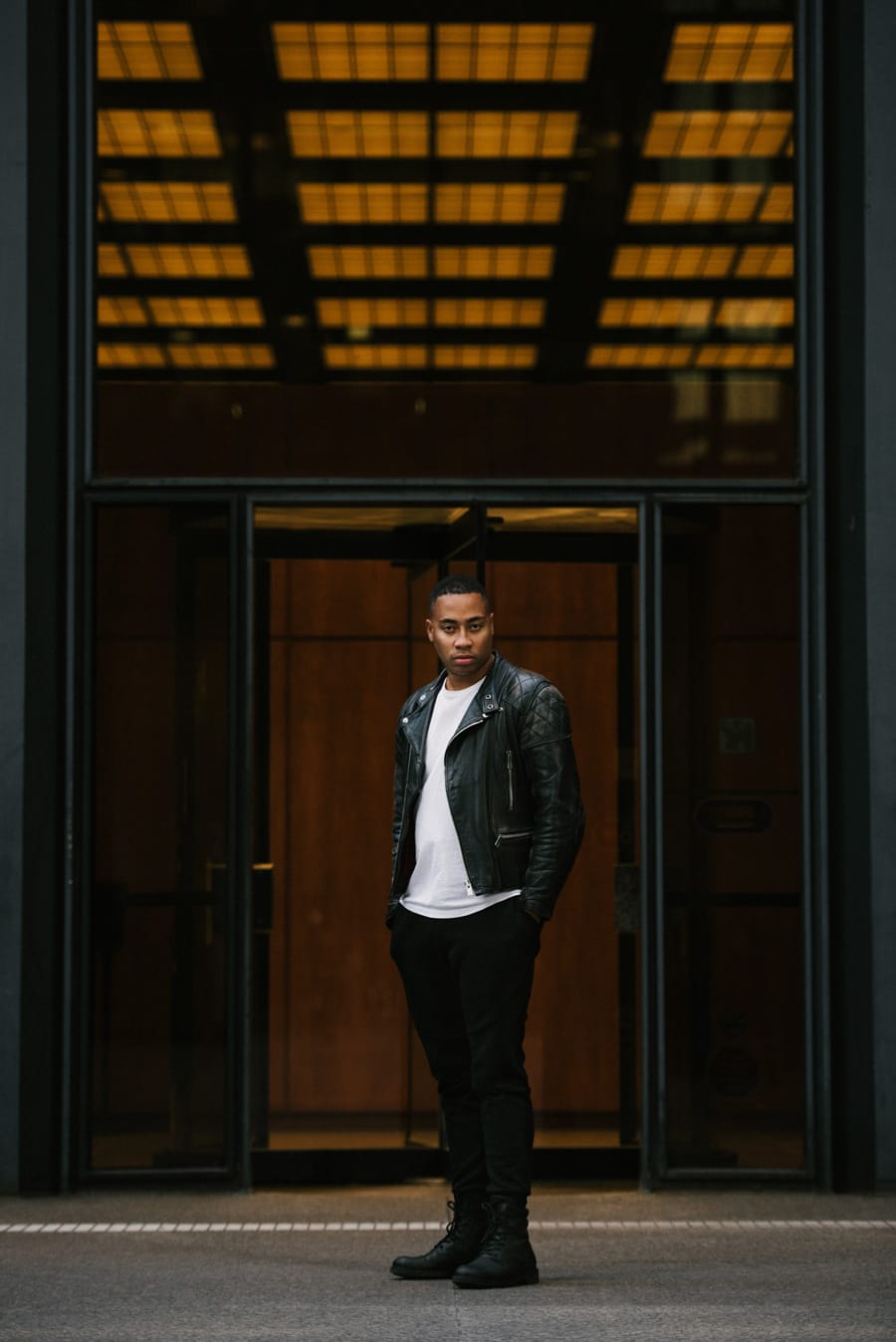
One of the main ideas behind this album was collaboration. I wanted it to be less of a solitary process.
Do you identify with the idea of an independent musician or DIY? What's your thinking about that concept nowadays?
The idea of being an independent artist has changed so much over even 10 years. I don't think ‘indie’ exists anymore, because there's so few companies that are actually independent. The label I'm signed to is an indie label technically, eOne Music Canada. But they're also a very large corporation. So there's a weird duality with that.But I still think of myself as an independent artist. I've always considered myself to be an experimental musician because I combine all these electronic music influences with rap. I always felt like I was the only person who made music like this. And I feel like that is the real essence of my music. That freedom to experiment is very important to me.Independence is a big theme on the album—self-reliance and knowledge itself. These are things that I've thought about a lot, not just in moving from one place to another. It’s been shaped by my experiences with my old record label and my old management. I was dealing with a lot of people who didn't have my best interest in mind. So it's about taking back control over what I'm doing. I feel like ever since I've done that, things have been so much better. I’m in charge of my own career more. A lot of the album is about that.You wear many hats: you're a rapper, but also a poet, journalist, narrator, producer and DJ. In your song "Large," you talk about making those side hustles work. What's your take on that?
It's a necessity nowadays, I think. One of the things you need to do is look at history, because if you don't look at history, you're doomed to repeat the past.I look at the history of rappers that I grew up listening to who are no longer active anymore. They were really stubbornly focused on one thing: "I'm gonna rap, and do it this way, and do this for 20 years." And they don't have anything else going on. And I never wanted to be like that—even though it's never been a conscious decision. I've always tried to be creative in whatever way I felt like at the time.So that leads me to go into different periods of creativity, where I'll feel like “this is album time.” So I want to do an album right now. Or I'll write a book of poetry right now. I feel like I'll always be like that. The recurring theme with all of this is that there is musicality to everything I do.It used to be that labels dictated the terms, now it's coming the other way around. Now they're playing catch up.Now with the internet, the independent side-hustle is getting bigger. The internet provides an infrastructure to do it. You can now just make music and put it on SoundCloud. It's a roll of dice to get heard by the right person. It's a democratization of the music industry. It used to be that labels dictated the terms, now it's coming the other way around. Now they're playing catch up.I don't think ‘indie’ exists anymore, because there's so few companies that are actually independent.
One of the things you need to do is look at history, because if you don't look at history, you're doomed to repeat the past.