

_____________________________
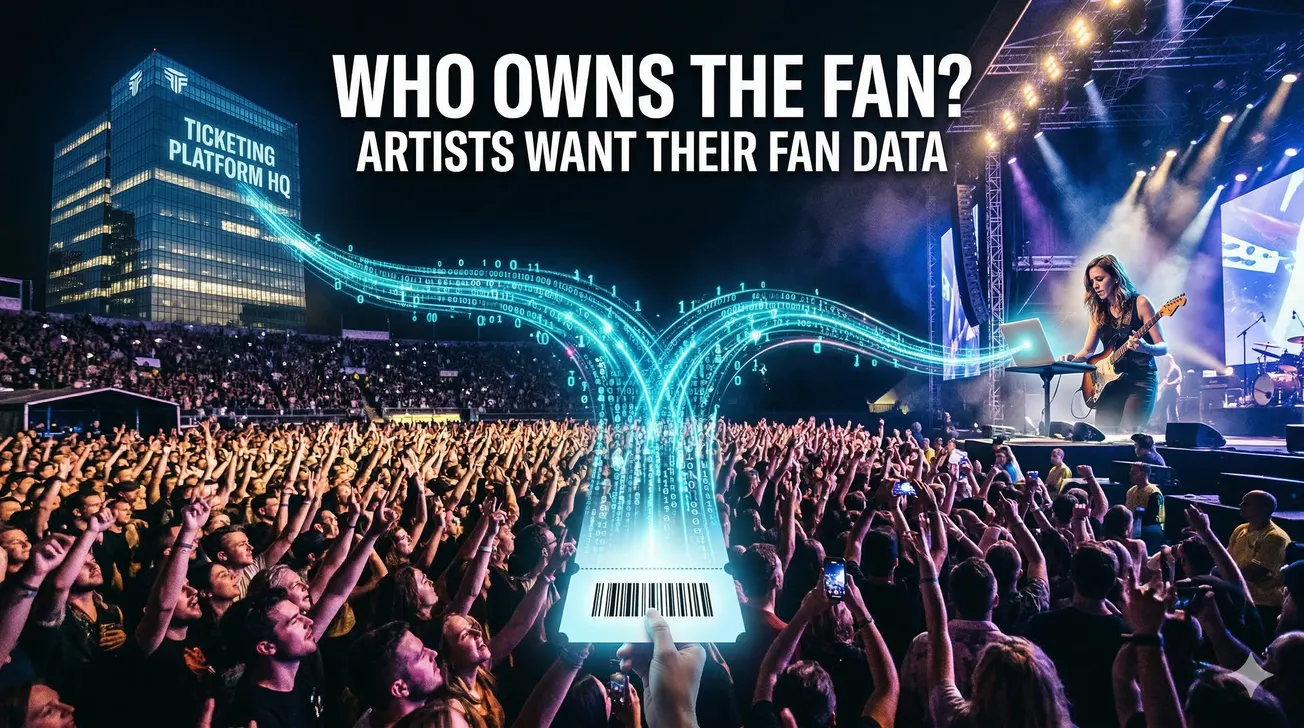
Guest post by Jeppe Faurfelt, Co-Founder & CCO at LinkfireRecently, I had the opportunity to moderate a panel at Music Ally’s Sandbox Summit in New York City, where I was able to ask representatives from the label, artist management, and advertising technology sectors about how they use artist data, what they need going forward, and why all business arms around an artist must work collaboratively to leverage data to drive better decisions and marketing, The answer quickly became clear: everyone wants and needs a 360-degree, holistic view of the artists they are working with. While we are making great strides in this endeavor, obtaining such a complete picture remains impossible today.In some cases, artist data is kept in separate siloes or black boxes that lead to dead ends, hindering all sides’ ability to make informed decisions. At Linkfire, we believe that everyone on an artist’s team should have access to all the data about that artist, and we live that philosophy by both including all available services in the globally fragmented marketplace in our smart links and by making available as many data points on a fan’s journey as we possibly can. However, in many cases, we can only tell artists and their teams how many fans we delivered to the digital service providers (DSPs); we can’t tell you what they do once they’re inside. It is the DSPs that hold the key to unlock these conversion metrics.With that in mind, let’s take a look at the state of artist data in a variety of fields, examine the progress we have made in several key areas, and see where we still need to break down the walls.Merchandise DataMerch sales data has always been fairly accessible to artist teams, as most of it is done direct-to-consumer (D2C) on artist websites or at live shows. In the past few years, the ability to look at this data and understand what activities and audiences drive revenue has led to substantial growth. The enabler for this is having insights into the entire consumer funnel from start to finish and beyond. That means artist team members can see everything fans looked at before arriving at their choice, providing insight into the types of merch people are most interested in, where to place key items on the page to ensure the most views, and what items may need to be placed on sale or reduced in price to maximize sales and avoid cart abandonment.In addition to this, standalone merch platforms are now beginning to open up their conversion data. For example, Merchbar has partnered with Linkfire to allow users to see what fans do in their platform after clicking on our smart links, giving artists a more transparent view of their fans’ purchase journey. Touring DataCome Together: Why The Music Industry Must Break Down Data Silos
In this article, Jeppe Faurfelt breaks down the different data silos which industry artists should be keeping track of, why the distinction between them is so important, and why everyone. Continue reading [https://www.hypebot.com/hypebot/2019/07/come-together-why-the-music-industry-must-break-down-d
Related