


_______________________________
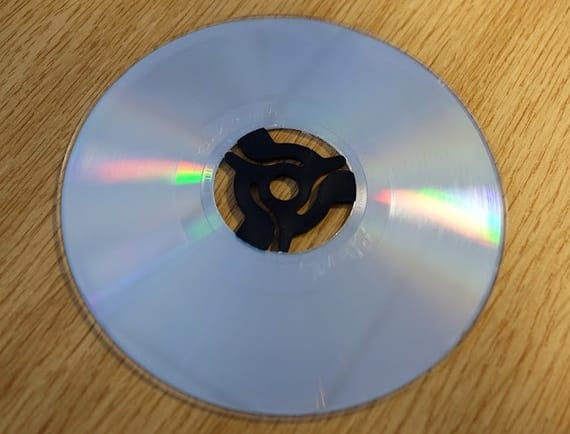
Guest Post by Jeremy Young on Soundfly's FlypaperThe Compact Disc (CD) was introduced into commercial ubiquity on October 1, 1982, alongside the world’s first-ever CD player, the SONY CDP-101. Billy Joel’s sixth studio album, 52nd Street, was selected to be the first recording issued on this new digital audio format, which is hilarious considering that particular album wasn’t even new at the time. 52nd Street was originally released in 1978.CDs were developed over years of research with the intention of making recorded music available on an optical audio disc with superior sound quality. The audio division at Philips in the Netherlands is said to have first begun experimenting with the technology, however, SONY in Japan was supposedly also testing out optical discs, independently of Philips. By 1982, the two companies had joined forces to release the new medium to worldwide markets. One might say that the world has not been the same since. With all the conversations about sound superiority to vinyl, tapes and 8-track, laser and mini-discs aside, the compact disc has probably had the biggest influence on ushering in the vastly dominant digital music marketplace of today.Since the prolific outbursts of the Fluxus movement, almost every popular medium of creative expression has been subject to artistic interception and recontextualization. In music, the influence of John Cage has led artists to continually search for expanded worlds of sound — new ways of expressing, creating, and listening to sound as music — in the generative possibilities of new technology [1].Cage’s experiments with tape-collage and found sound, Christian Marclay and Milan Knizak’s use of turntables and prepared vinyl records and John Oswald’s practice of plunderphonics, among other working artists of the 1970s and ’80s, paved the road for reimagining the sounds of the medium itself as new forms of composition. Even photographer Lázsló Moholy-Nagy experimented with phonographs, imagining a way to “draw” the grooves to create a hand-written sound score.While the work of these artists was almost exclusively considered avant-garde, eventually the cresting popularity and surge in production of electronic “glitch” music in the 1990s would solidify the explorative conquest of data-driven manipulations of digital technology as an important reflection of the way everyday consumers experience music.
Yasunao Tone


Nicolas Collins


Oval

Others

Related articles