

__________________________
Guest post by Alex Lavoie of LANDRIf you want to promote your new release and get press coverage, you definitely need an Electronic Press Kit or EPK.An EPK will help you communicate all the important information festivals, journalists and media need to cover your music. But knowing how to build your EPK, what to put it in it, and how to share it can be confusing.There are a lot of different ideas about how press kits should work, and how gatekeepers in the industry should access them.Some may say that you need to pay money to an EPK service provider. Others will say you don’t need anything more than a well-designed website.Let’s clear up the confusion from an outside perspective and help you make your EPK as effective as possible.What is an EPK?
An electronic press kit or EPK is a collection of music, pictures, biographies, and relevant information assembled to inform journalists, media, blogs, festivals, radio, broadcasters, and promoters about an artist and their musical releases. An electronic press kit can be hosted on a project’s website, or accessed through an EPK service provider.
Do I really need to use an EPK service provider?
Several services emerged in the late 2000s that charged artists a fee to create press-friendly EPKs.These companies claimed that in return they would give artists access to promoters, venue managers, press and industry-focussed festivals and conferences.Unfortunately, these claims weren’t very honest.The “opportunities” the services offered weren’t very good, and artists were forced to pay application fees to festivals without any guarantee of acceptance. A backlash ensued and many festivals pulled their partnerships with EPK service providers.Today, artists can apply to most music festivals without using an EPK service provider. A personal email or submission through Google forms will do just fine.Paying for a service to help you build and promote your EPK isn’t really the best option anymore. You’re much better off to simply use your artist website as your EPK.You’re much better off to simply use your artist website as your EPK.How do I use my website as an EPK?
Artist websites are typically built with fans in mind, not the press. You can get around that by building a dedicated press section that features all the components of your EPK.The great part about using a website for your EPK is that you don’t have to send a big email with a huge attachment and an ugly PDF file.There are plenty of ways to build a great artist website out there.To keep your press focussed page away from the public try no indexing it, keeping it off your fan facing home page and using a hidden URL like www.yourproject.com/press.Just make sure you only link to this page when you pitch your project to the media.What should I put in my EPK?
Your EPK should follow an easy to understand format. Those who take the time to read it shouldn’t have any trouble finding the relevant information.
- Your music
- Artist photos
- Album art
- A short artist biography
- Music videos
- Links to past press
- Notable performances
- Contact information and links to social media
1. Your music
Your music is the most important part of your press kit.Make it easy to listen to. It should be possible to listen to your track directly inside of your EPK without having to navigate away to another page.You can do this with any other embeddable music streaming app.If you’re promoting an album make sure to highlight which song is your single since this is what people who work in the media are looking for.If you’re promoting an album make sure to highlight which song is your single since this is what people who work in the media are looking for.Industry professionals receive a huge volume of requests for coverage each day. So remember that in most cases they only have time to listen to one or two tracks.Note that if you are sending your press kits before publicly releasing your track make sure you’re only sharing a private webpage and stream.2. Artist photos
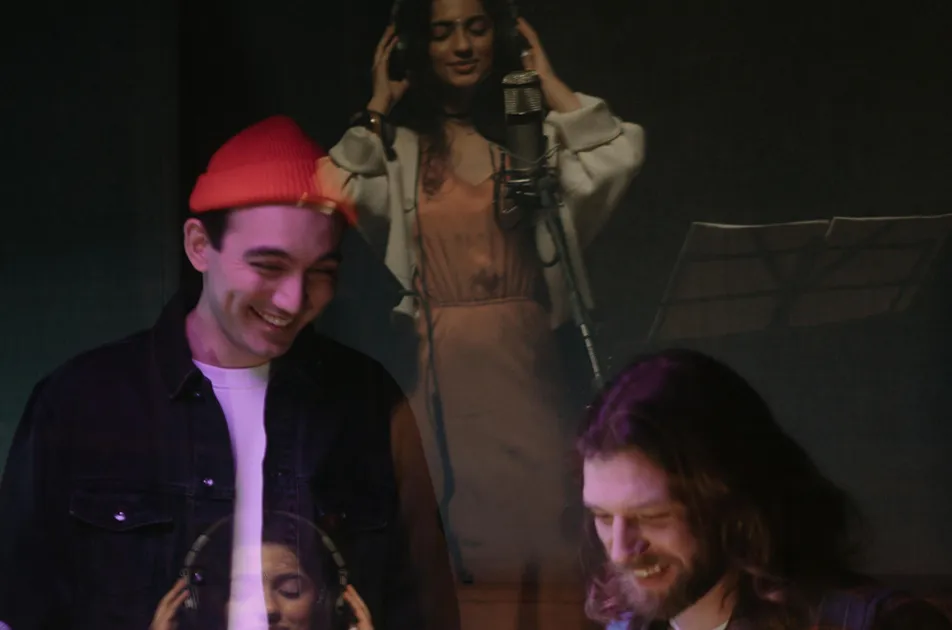
Have you done a photoshoot yet? You need to get that done no matter where you are in your release cycle.Artist pictures are the perfect opportunity to show the personality and character of your work. The way you express your art visually is just as important as your sound.You don’t have to be a model, just make it creative. Hire (or call in favours with) someone who knows how to use a camera and can book a photoshoot.If you play in a band, a photoshoot is always a good bonding experience and you’ll have plenty of B-roll to keep your social media followers satisfied.3. Album art
The point of your press outreach is to get the media interested in your new album or single. No matter what kind of release you are promoting, you’ll need to include album artwork in your EPK.Make sure you properly format the artwork and include links to a high resolution (300 dpi) versions of your artwork so as not to send a heavy email with a large multiple megabyte attachment.4. Your bio
Your music means something to the world and your music bio should communicate that meaning effectively.You don’t have to write a novel. Your music bio should be short, easy to read and should give the reader everything they need to understand your music.Give context about your project’s formation, message, and offer a short glimpse into what you are trying to communicate with your art.Try to clearly answer questions like– What feelings does your music convey? Where did the inspiration to create your album come from? Why is your release important?If you’re just getting started, journalists and media representatives won’t have much time to read very deeply into your extensive history. Instead, use a short biography to stimulate questions and spark curiosity.5. Music videos
If you’ve managed to create a music video definitely include it. Creating a music video is not an easy task and it shows that you are committed to the entire process of being a modern artist.Much like your music, your music must be easily accessible from within your press kit. Youtube and Vimeo, for instance, make it very easy to embed videos on webpages.6. Links to press highlights
Proving that other publications have already covered your project indicates that you’ve already built some momentum and are worth paying attention to. A nice quote or two from a reputable source can do a lot for your musicEven a short write up in a small blog goes a long way for showing that you’ve put in the leg work to get your music into the public eye. And any great quotes you receive fromInclude your best past coverage including:- Concert reviews
- Album reviews
- Award nominations
- Mentions
- Album releases
- Announcements
7. Notable performances
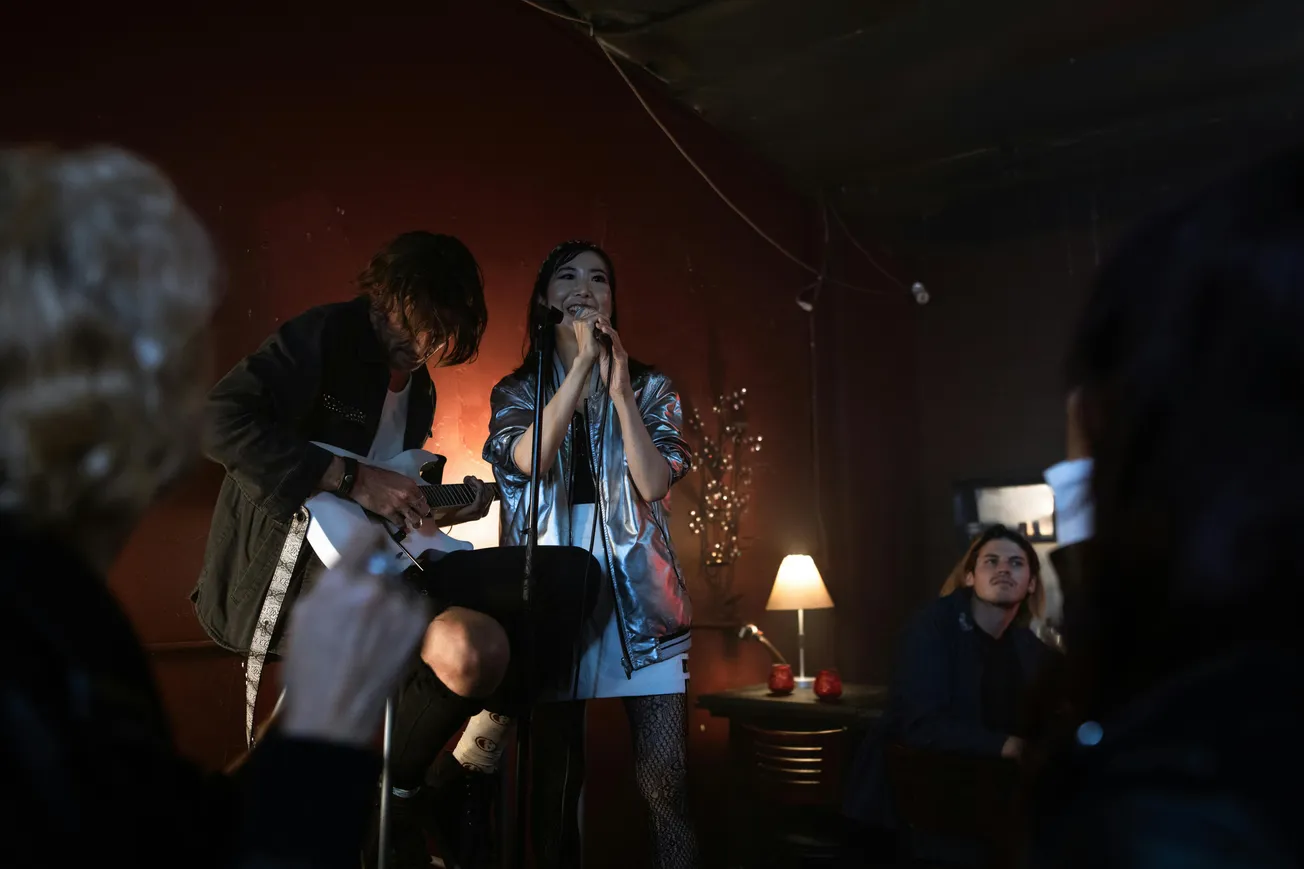
Think back on your career to date. If you can pinpoint one or two big shows you’ve played it’s worth including.Think back on your career to date. If you can pinpoint one or two big shows you’ve played it’s worth including.Don’t go overboard, but including a list of your highest profile performances is a nice addition to your press kit.Mentioning that you opened for a big band or headlined a showcase at a cool festival can help media members and industry gatekeepers know how far along you are, and what circles your music is popular in.8. Contact information and social media pages
Finally, if someone is interested in covering your project make sure to include all relevant contact information so they can easily get in touch. Include your phone, email, and link to your social media pages.