

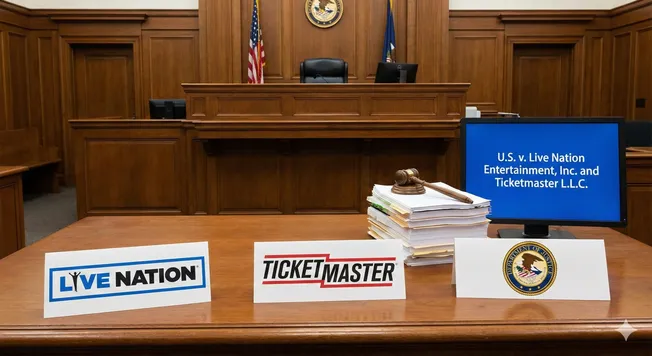
The top antitrust enforcer at the US Department of Justice Department, Gail Slater, exited abruptly just weeks before the agency's trial begins that seeks to breakup Live Nation and Ticketmaster.
“It is with great sadness and abiding hope that I leave my role as AAG for Antitrust today,” Slater posted on X, thanking the staff of the Antitrust Division for “the honor of a lifetime.” Attorney General Pam Bondi thanked Slater for her service, but did not explain the reasons behind the departure or immediately name an acting leader of the Division.
Her exit follows a recent Semafor report of "weeks of mounting tensions between Slater’s more populist bent and let’s-make-a-deal DOJ brass." DoJ settlement talks just before the suit against Live Nation was scheduled to start was the latest major point of disagreement.
Live Nation has also hired a growing group of Trump connected advisors. They include Kennedy Center president Ric Grenell, who was named to the Live Nation Board, former Trump campaign manager and senior advisor Kellyanne Conway and MAGA attorney Mike Davis.
Live Nation Settlement Seems Likely
The DOJ current antitrust case joined by 40 state Attorneys General alleged that Live Nation and Ticketmaster monopolize key parts of the concert ecosystem — including promotion and ticketing — and sought remedies that could include major structural changes including the break up the two companies.
Live Nation settling with the DoJ prior to the March trial seems increasingly likely. That's a prospect that the National Independent Venue Association strongly opposes.
“If reports are accurate that Live Nation is using its immense resources and lobbyists to circumvent the legal process and escape a trial with significant evidence supporting its breakup, the company is subverting the rule of law," NIVA Executive Director Stephen Parker said prior to Slater's departure.
If reached, a settlement with Live Nation could include fines, a smaller partial divestiture, a consent decree restricting future behavior and other remedies.
That's not nearly enough for NIVA, who say it would do little to protect struggling independent venues. “There is no pathway to restore competition in ticketing and live performance across America without Live Nation’s breakup,” said NIVA.
The forty states could continue the lawsuit without the DoJ. But it is unclear if there will be an appetite to continue, particularly among the State Attorney Generals from Republican leaning states.
FTC & Other Live Nation Lawsuits Continue
Whatever the outcome of the DoJ talks and lawsuit, a separate Federal Trade Commission lawsuit is likely to continue. The FTC and seven states allege violations of both the FTC Act and the Better Online Ticket Sales (BOTS) Act.
According to the lawsuit, Ticketmaster has not done enough to stop ticket bots, used deceptive pricing tactics (“bait-and-switch” fee disclosure), misrepresented ticket limits, and profited through resale practices tied to broker behavior.
Several other consumer class action suits alleging unfair ticket practices and data privacy concerns will also continue.
Hypebot is tracking all active Live Nation and Ticketmaster lawsuits here.
Hypebot's Bottom Line
However each lawsuit ends, they aren't just legal battles. Many see them as tests of who really owns the future of live music: big corporations or fans.
Whoever is to blame, its a fact that most independent venues are struggling to survive. Without them, where will the next generation of artists hone the craft and build a following?