

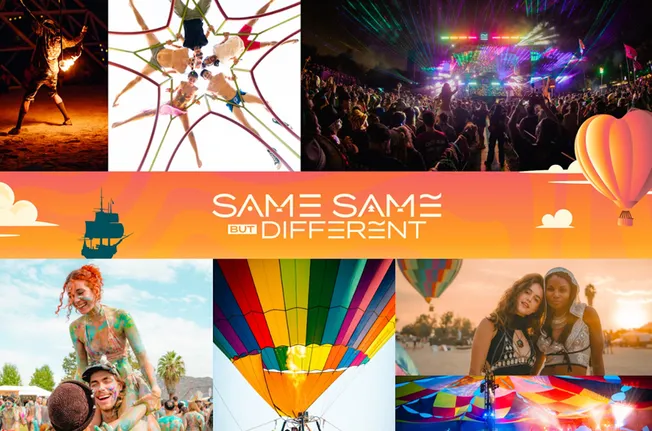
California’s Same Same But Different Festival (SSBD) did something incredible recently.
Through a crowdfunding campaign designed around actual community-ownership, the festival was able to raise nearly $700k by allowing fans to become equity stakeholders. This isn't just an alternative revenue stream, it's an entirely new way of imagining how festivals engage the stakeholdership of their beloved crowds and supporters.
The festival business model is essentially built on corporate underwriting or investment, or advertising and sponsorship in exchange for offering brands both a mass platform for visibility and on-site sales opportunities. And this was a pretty workable model until audiences started thinning out in recent years.
Whether it's due to growing concerns over festivals' environmental impact, gender equity, a sense that the same artists play every year, safety, or over-saturation, crowds just haven't been consistent enough to satisfy the level of corporate sponsorship required to fund massive music events post-pandemic.
Yet during this period, boutique events like SSBD have grown, posting 33% year-over-year growth with a 40% fan retention rate, all while remaining independently operated. The trend supports the theory that fans simply want more buy-in, more choice, personalization and local flavour.
I had an opportunity to chat with one of SSBD's co-founders and curators, Brad Sweet, and I had to take it. Because at Hypebot, we believe in the power of fans to influence live music investment and trends, I wanted to see how Brad was able to accomplish such a hopeful, uplifting achievement, now.
Here's our conversation.
Hypebot: Hey Brad, thanks so much for taking the time to answer some questions. Congrats on raising an historic amount of money for the SSBD Festival. Can you tell us a bit about how this all began?
Brad: "This started from a pretty simple belief: SSBD has always felt bigger than just a festival. Our community has helped shape its identity from the beginning, so we wanted to create a way for them to share in the vision of what we’re building."
H: Did you feel that the marketing of this initiative was an uphill battle or were all the communications components in place before it even started?
B: "It was definitely an uphill battle in the sense that this was new territory for a lot of people. We were asking our audience to understand something that sits somewhere between fandom, ownership, and long-term belief in a brand. That takes more explanation than simply saying, 'tickets are on sale.'"
H: Why do you think the campaign was so successful — where does the buy-in of your community come from?
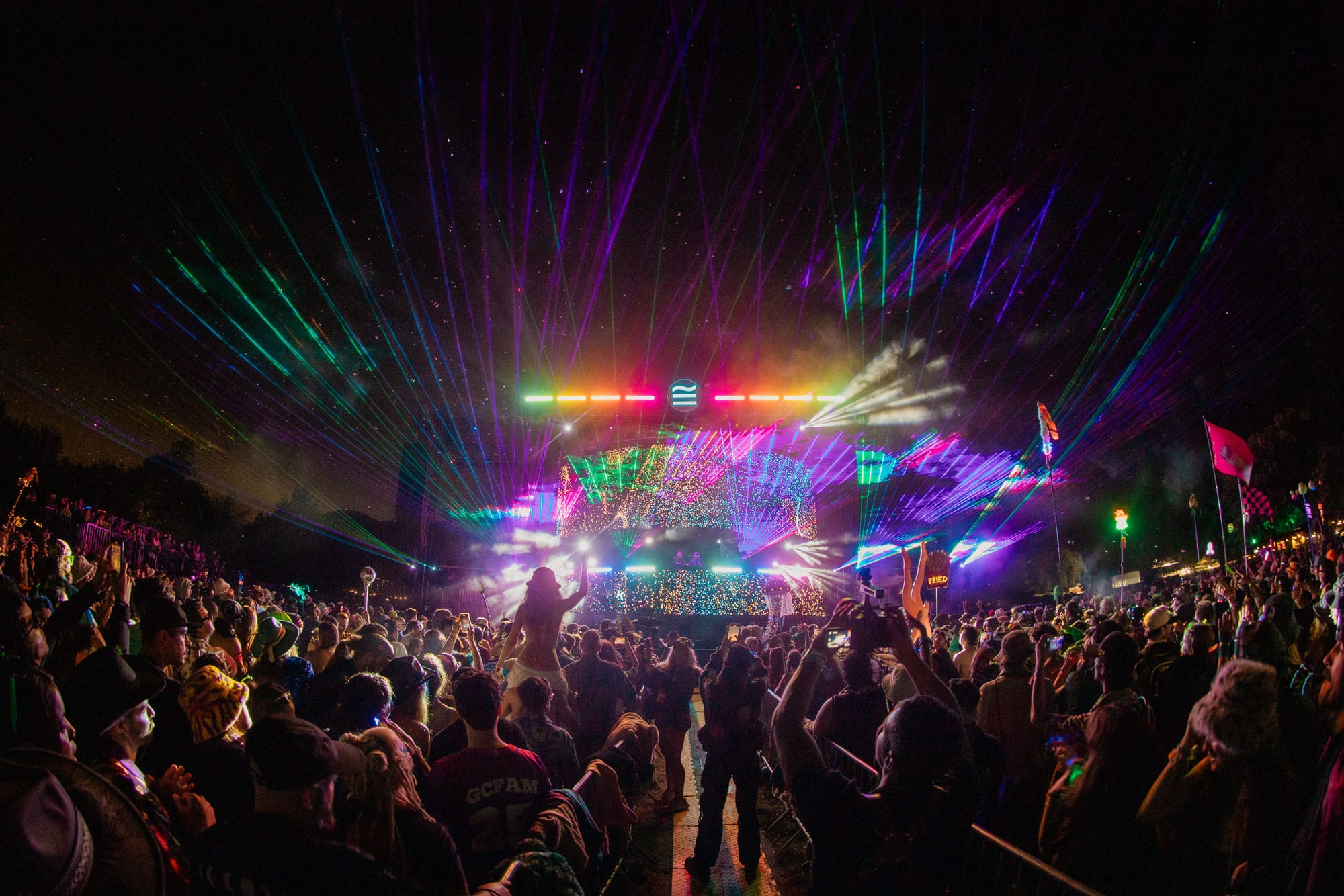
B: "I think it was successful because people could feel that it was real. This wasn’t some gimmick or a manufactured marketing angle. It came from a genuine desire to protect the independence and spirit of the festival, and I think our community understood that immediately."
The buy-in comes from years of relationship-building. SSBD has never been about being the biggest or the most polished thing on the market. It’s always been about experience, intention, and community. People come to SSBD and feel like they are part of something personal. That creates a different kind of loyalty than what you get from just chasing the biggest lineup or the biggest production flex."
"For us, that is the relationship. It is not just, 'thanks for the capital.' It is, 'you believed in us, now we need to keep earning that belief.'"
H: Now how will this work going forward? What power or prominence does the community now have and how will accountability be brought into this relationship?
B: "Going forward, the community has a more meaningful seat at the table in the sense that we have to treat them not just as customers, but as stakeholders in the broader health and direction of the brand. That does not mean every decision becomes crowd-sourced or that creative direction turns into committee work. A festival still needs leadership, conviction, and a clear point of view."
But it does mean we owe our community more visibility into the business, more honesty around the challenges, and a stronger commitment to aligning our actions with the values we talk about."
Accountability comes from that transparency. If you invite people in, you need to communicate clearly, follow through, and make decisions that reflect the trust they placed in you. For us, that is the relationship. It is not just, 'thanks for the capital.' It is, 'you believed in us, now we need to keep earning that belief.'"
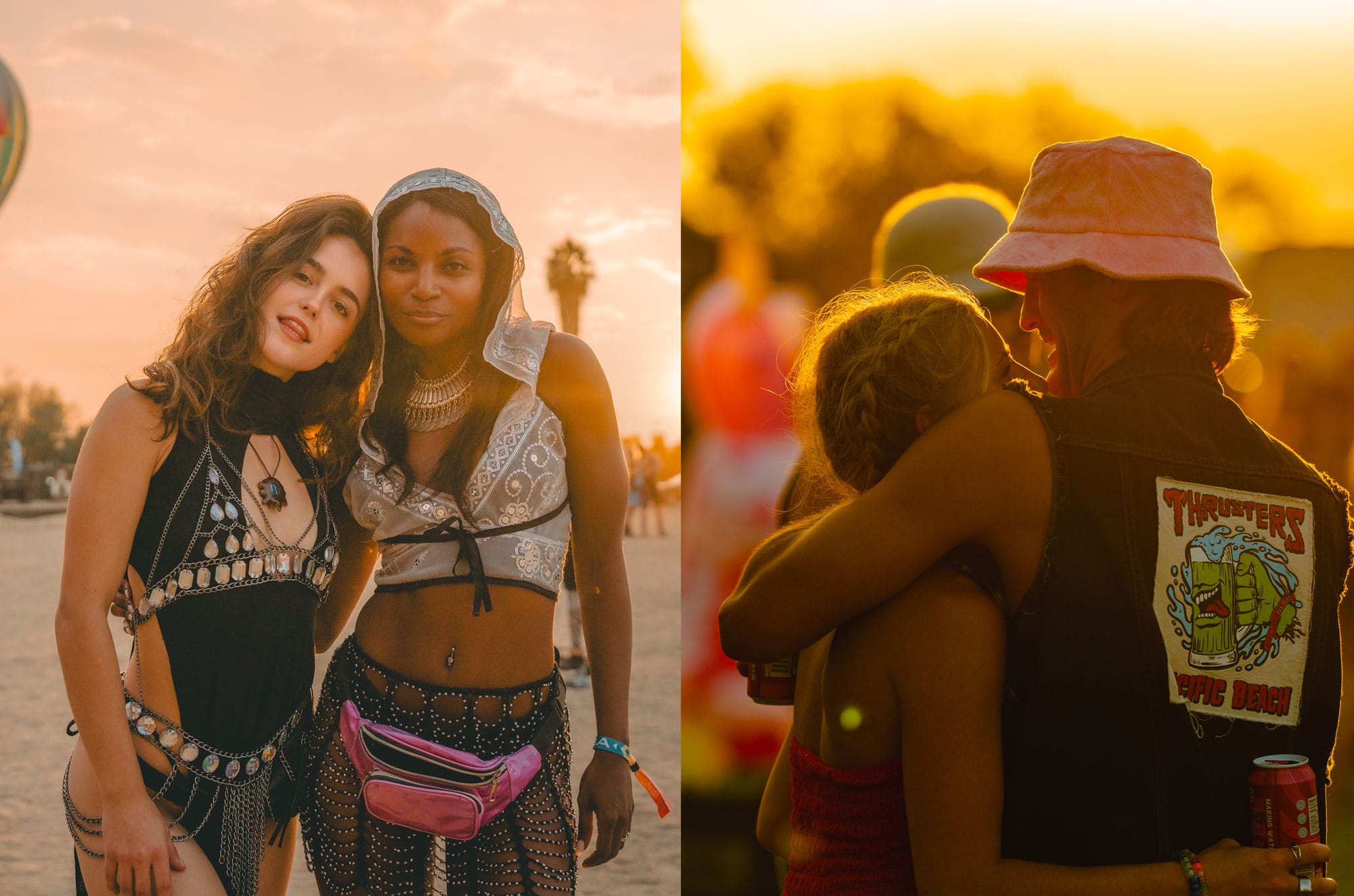
H: Do you think this a replicable funding model for festivals?
B: "I think parts of it are replicable, but not in a plug-and-play way. The mechanics may be replicable, but the trust behind it has to be earned. You can’t just announce a community investment campaign and expect it to work because the structure exists. The real question is whether a festival has built the kind of relationship where its audience genuinely believes in the mission, the leadership, and the long-term vision."
For festivals that have a real identity and a deeply engaged audience, I think this model can be incredibly powerful. It can help preserve independence and align a festival’s future with the people who care about it most. But if the connection with the audience is shallow, or if the event doesn’t have a clear sense of itself, then I think it becomes much harder."
"Something gets lost when every lineup starts to feel interchangeable. Festivals become stronger when they reflect a place, a culture, a scene, or a specific point of view."
H: One thing that gets talked about a lot these days is that the same artists — repped by the same talent agencies — will often play festivals all across the continent. People find that this is contributing to the death of hyperlocality, which is a powerful engine in live music. Is this something SSBD takes into consideration?
B: "Absolutely. It’s something we think about a lot."
There are real economic pressures pushing festivals toward safer, more repeatable booking patterns. When margins get tighter, it becomes more tempting to book what feels proven, recognizable, and easier to market. That pressure is real, and I understand why a lot of festivals fall into that cycle."
But I do think something gets lost when every lineup starts to feel interchangeable. Festivals become stronger when they reflect a place, a culture, a scene, or a specific point of view."
At SSBD, we try to balance that. We want artists who can move tickets, of course, but we also care a lot about curation, discovery, and building a world that feels specific to us. That can mean taking chances on emerging artists, programming with more personality, or giving space to things that might not be the obvious industry default."
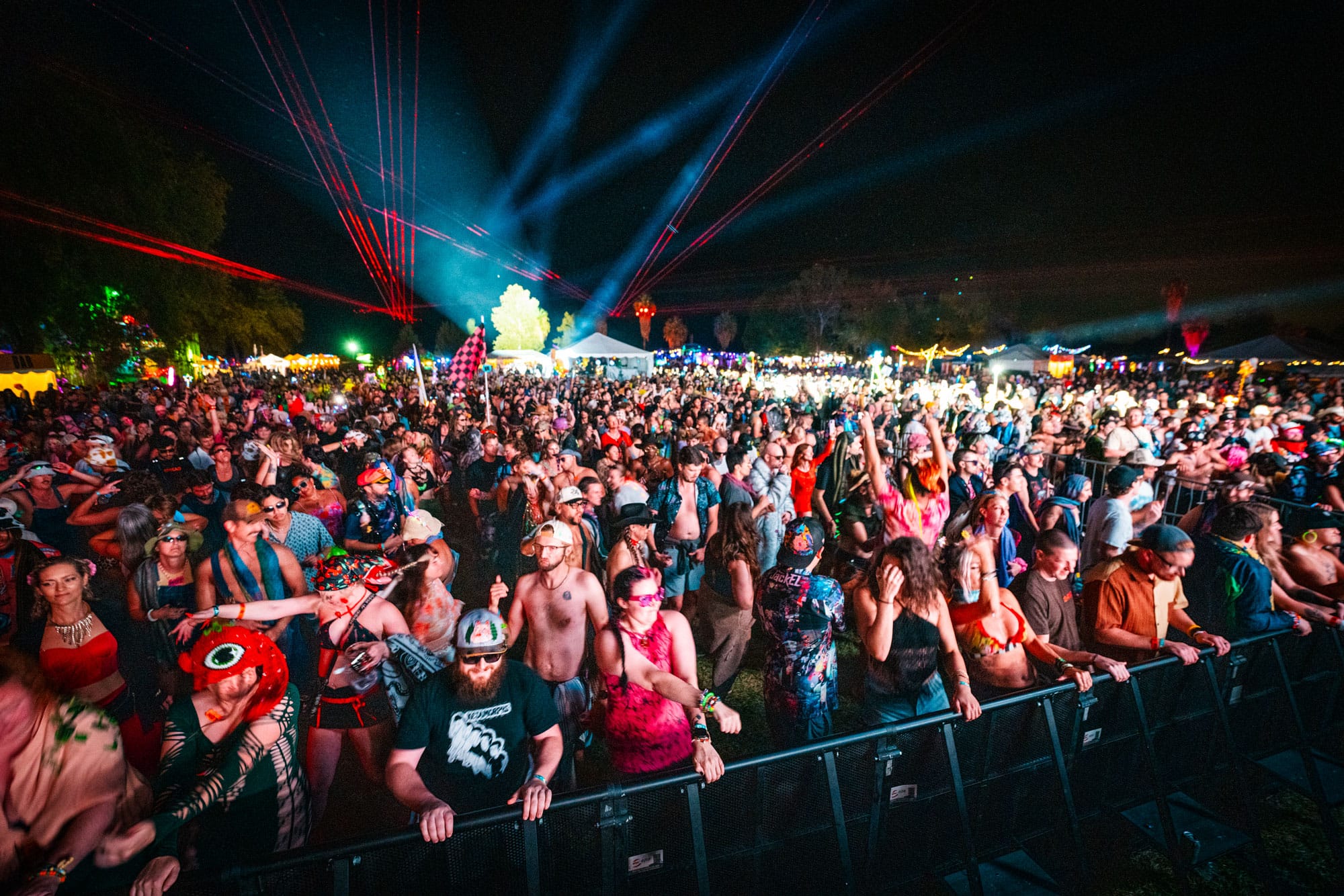
H: Do you think the community-investment element helps or hurts that mission?
B: "I think it helps, because it gives us more permission to think long term instead of purely transactionally."
H: Who is an artist you’ve seen live lately that totally blew you away?
B: "LSDREAM is definitely one. His set at SSBD was incredible, and his Lightcode set was especially powerful in a completely different way. I really love artists who can deliver a huge, high-energy festival performance but also create something deeper and more intentional that connects with people on another level. That range is really inspiring to me."
H: What’s your favorite music festival food to eat?
B: "At a festival, I usually want something that actually holds me over and doesn’t make me crash an hour later, so I tend to go for a really solid bowl or wrap, part of the fun is that one random food vendor you didn’t expect to be obsessed with by the end of the weekend."
H: Wraps are the perfect festival food. You can walk and dance with them, and even throw them at will. 😄
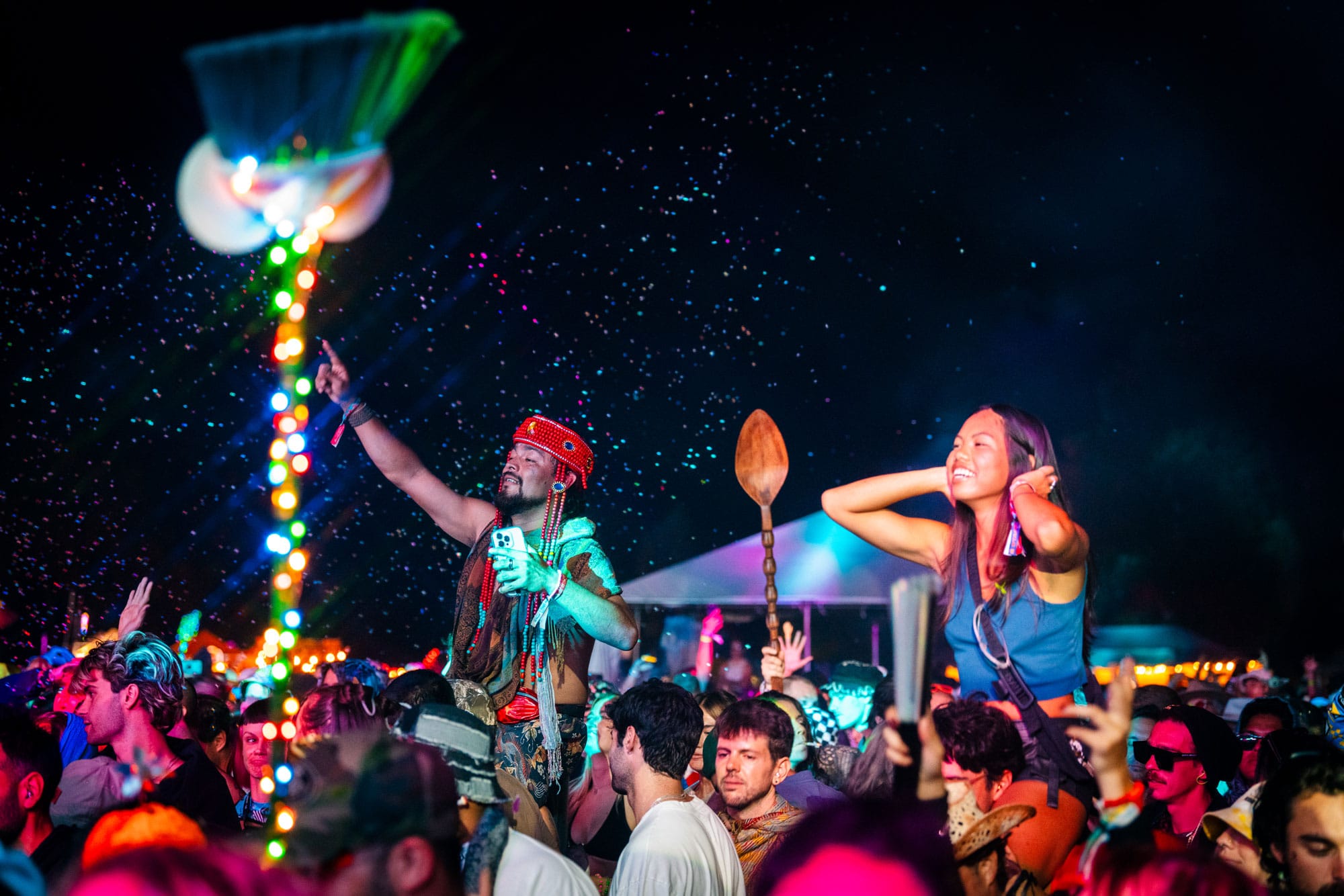
SSBD Festival was started 2018 by a few friends with a couple hundred attendees, and has grown exponentially each year. It continues to this day as an independent festival, with no institutional backing. Known for its unique community and the meticulous care put into every aspect, SSBD offers far more than just music. It’s a haven for creativity, connection, and unexpected wonder. Nestled on the beach of Lake Perris, CA, the picturesque landscape creates an enchanting environment that the organizers fill with surprises.