


As the live music industry reckons with its environmental footprint, a growing number of venues are turning to LEED certification as a benchmark for sustainability — and, increasingly, pairing that designation with 100% renewable energy commitments. Together, these standards represent some of the most concrete ways cultural spaces can reduce emissions while remaining operationally viable at scale.
LEED is short for Leadership in Energy and Environmental Design; it's a globally recognized certification system developed by the U.S. Green Building Council (USGBC). It evaluates buildings across categories such as energy efficiency, water use, materials, indoor environmental quality, and long-term operations. Projects are awarded certification levels ranging from Certified to Silver, Gold, and Platinum, depending on how many sustainability criteria they meet.
For music venues, LEED certification goes far beyond symbolic gestures. It can influence everything from HVAC systems and acoustical materials to waste diversion, transportation access, and how energy is sourced year-round. When paired with 100% renewable energy, whether through on-site generation, power purchase agreements, or verified renewable credits, these spaces represent some of the most forward-looking infrastructure in live entertainment.
Here's a list of every LEED-certified music and cultural venue that's powered by 100% renewable energy:
Allegiant Stadium
Las Vegas, USA
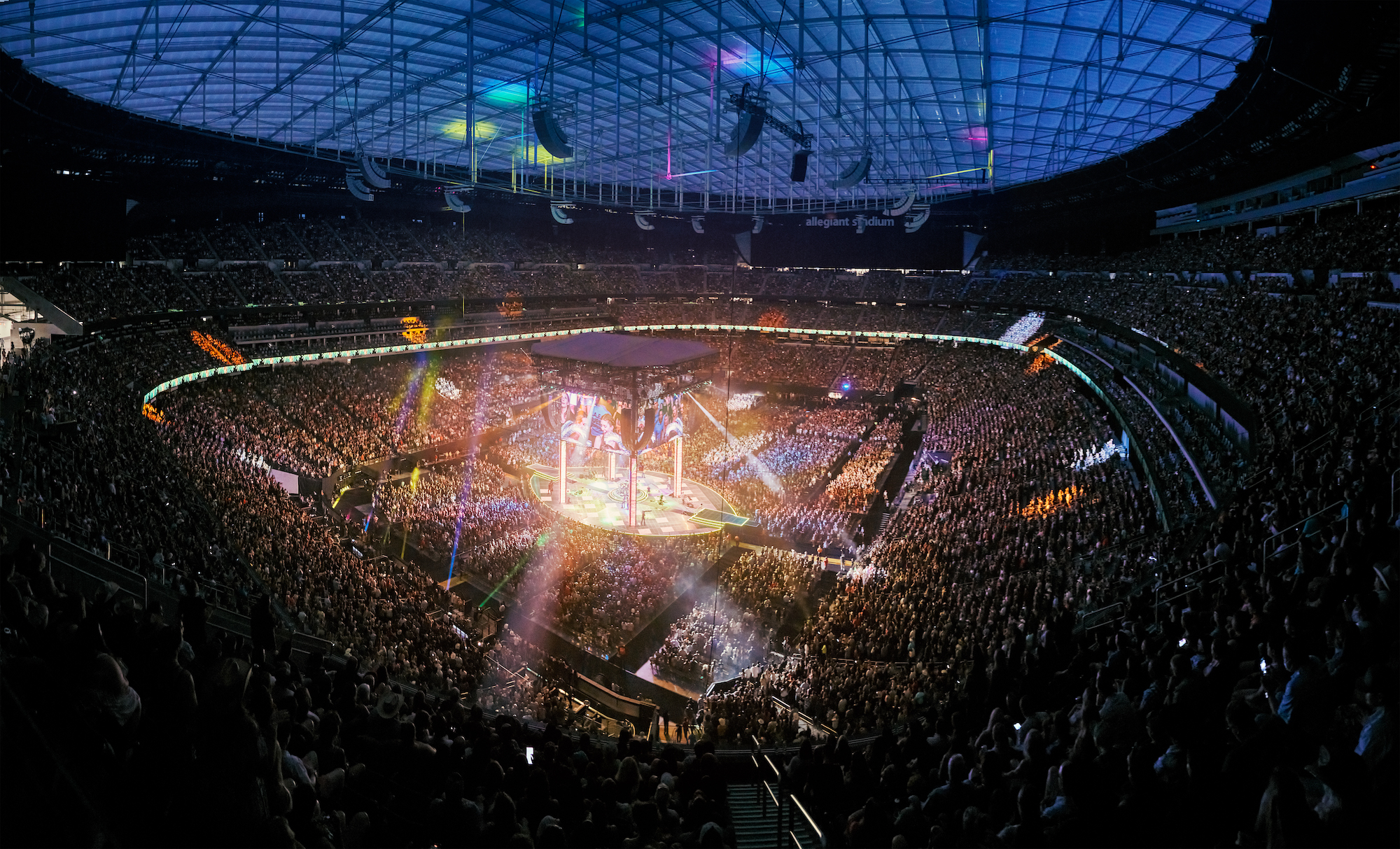
One of the largest venues on this list, Allegiant Stadium became the first NFL stadium to achieve both LEED Gold certification and 100% renewable energy operation in 2023. While best known as home to the Las Vegas Raiders, the 65,000-capacity stadium has quickly become a premier concert destination, hosting tours by Taylor Swift, The Rolling Stones, and P!NK. Its sustainability efforts include energy-efficient systems, water conservation strategies, and renewable power sourcing at a scale rarely seen in stadium operations.
Pacha Ibiza
Ibiza, Spain

A global nightlife institution, Pacha announced in 2025 that it now operates on 100% renewable, zero-emission energy. The club is currently pursuing LEED Gold or higher certification, targeting an ambitious 84-point scorecard. Beyond energy sourcing, Pacha’s sustainability strategy includes efficient lighting retrofits, waste reduction, and long-term environmental accountability.
Stavros Niarchos Foundation Cultural Center
Athens, Greece
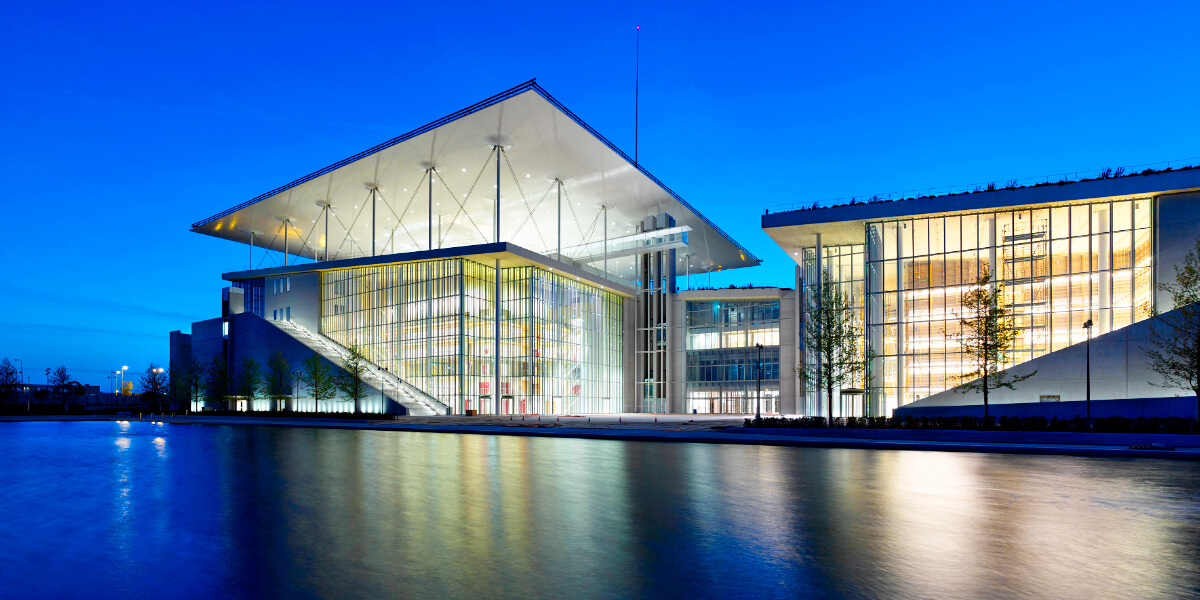
One of the most sustainable cultural complexes in Europe, SNFCC holds LEED Platinum v4.1 certification for Operations & Maintenance and runs on 100% renewable energy. Roughly 24% of its electricity is generated by on-site photovoltaic panels, with the remainder sourced renewably. It's also home to the Greek National Opera and National Library.
Lincoln Center for the Performing Arts
New York City, USA
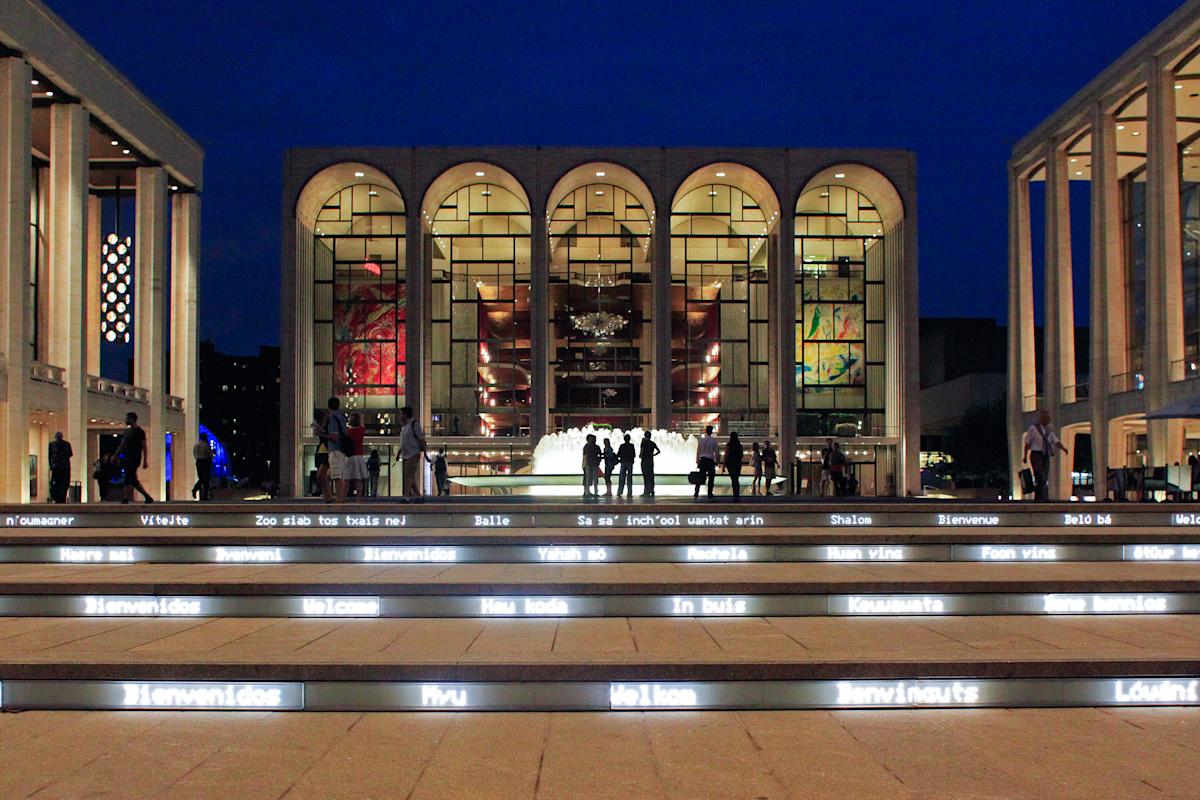
Since 2012, Lincoln Center’s campus — including the historic David Geffen Hall and Alice Tully Hall — has been 100% powered by both wind and solar energy. While individual buildings within the complex vary in certification status, Lincoln Center’s long-standing renewable commitment makes it one of the earliest major performing arts institutions to decouple from fossil fuel-based electricity. The campus has also invested heavily in energy-efficient renovations and water conservation measures over the past decade.
+Read More: "Lime Cordiale’s Lime Green Festival Is How Artists Can Take Climate Action Into Their Own Hands"
The O2
London, UK
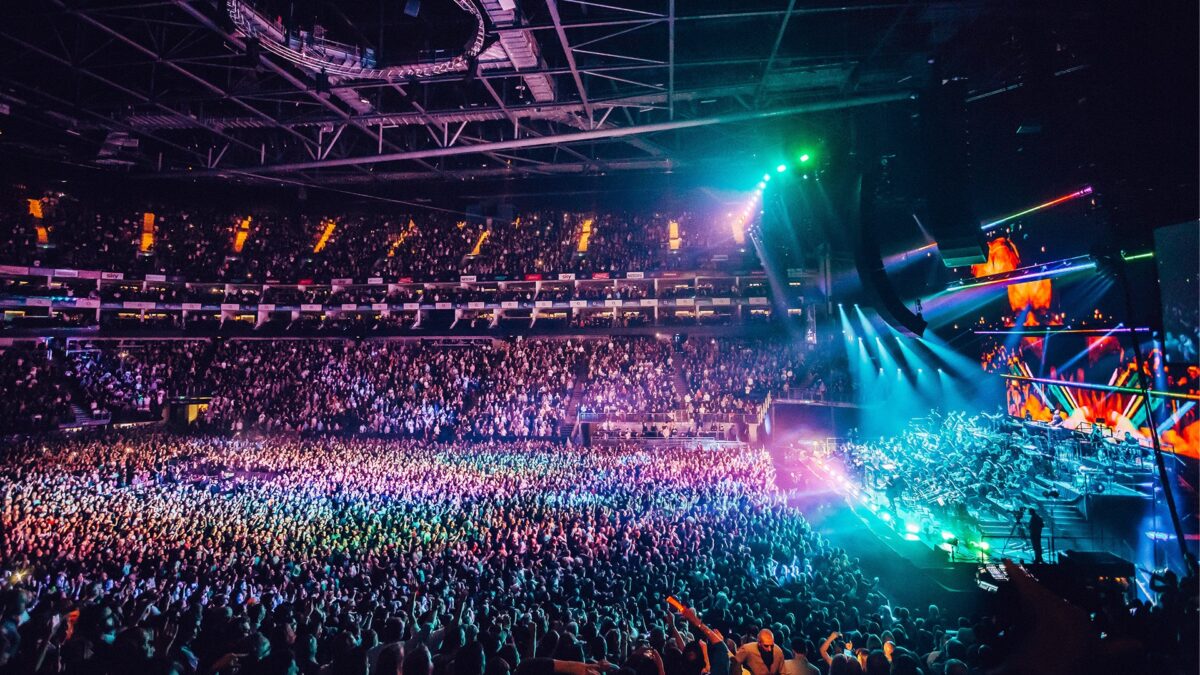
The O2 is supplied through a 100% renewable “deep green” energy agreement, placing it among the most energy-conscious mega-venues in the world. While sustainability initiatives extend beyond LEED alone — reflecting Europe's own regulatory frameworks — the venue’s renewable energy sourcing, waste reduction programs, and audience transport strategies have made it a model for large-scale arenas balancing commercial demand with environmental responsibility.
Acrisure Arena
Greater Palm Springs, USA
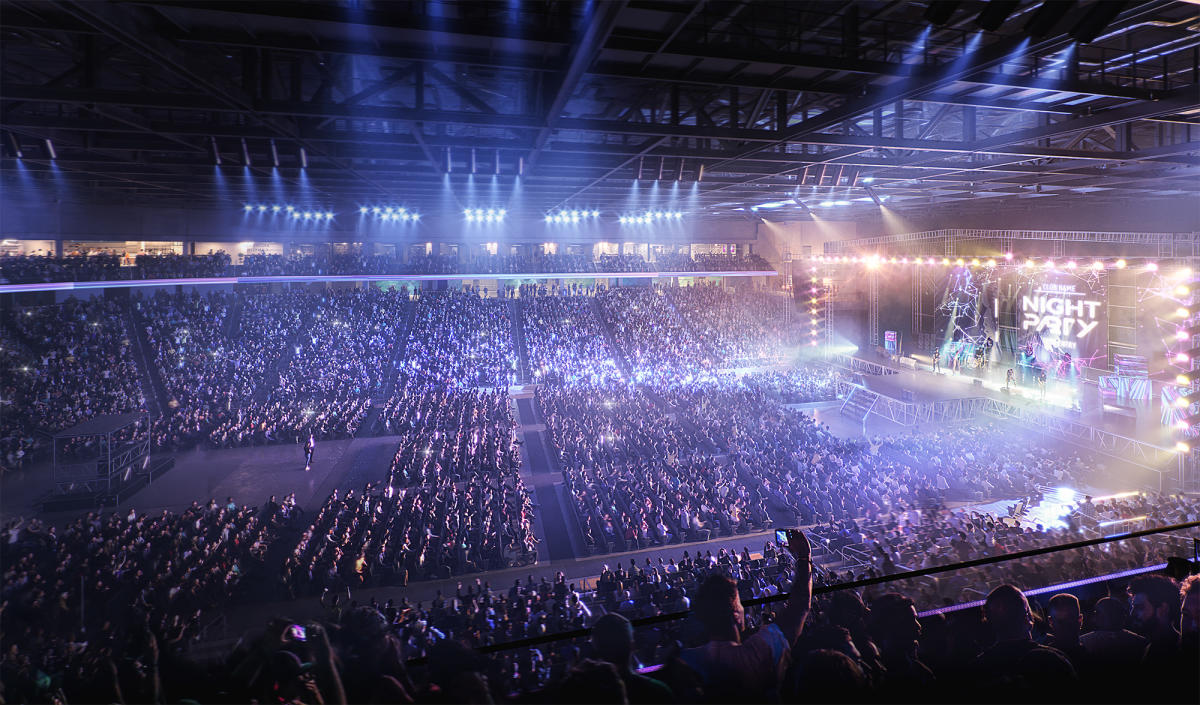
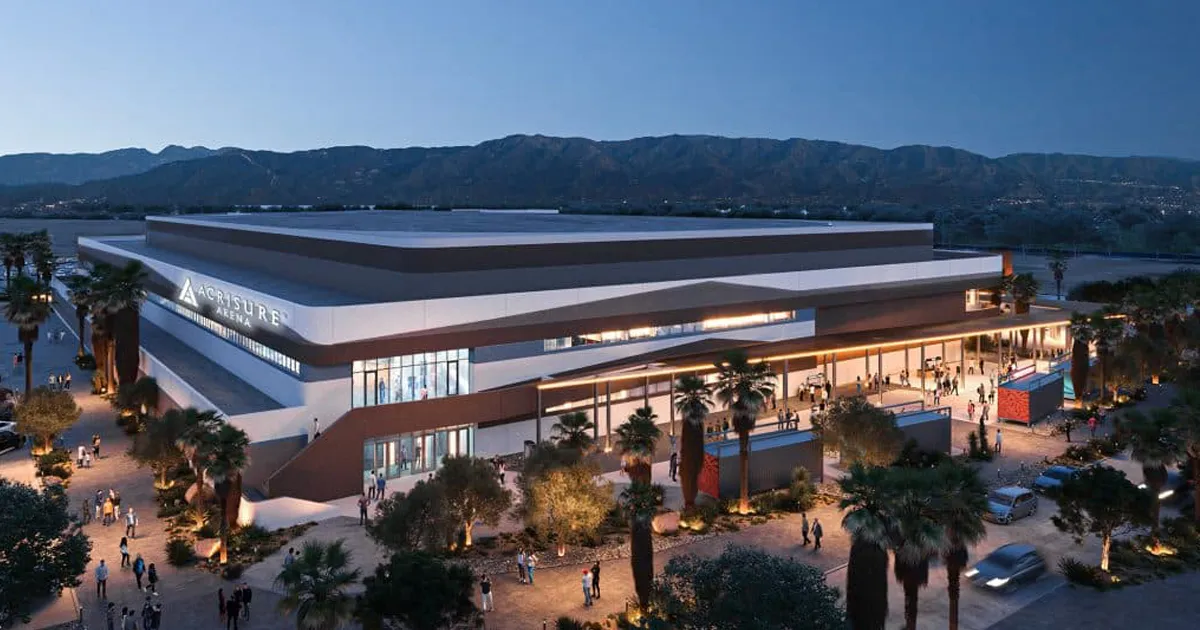
Built to LEED v4 standards for design and construction, Acrisure Arena was conceived with sustainability baked in from the ground up. The venue emphasizes zero-waste operations, renewable energy use, and water efficiency — critical considerations in a desert climate. As a newer entrant to the live music ecosystem, the arena reflects how sustainability expectations are becoming baseline requirements rather than optional upgrades.
PHI Centre
Montreal, Canada

PHI operates out of a restored LEED Gold-certified heritage building dating back to 1861, proving that historic preservation and sustainability are not mutually exclusive. The multidisciplinary arts space integrates energy-efficient systems into a centuries-old structure while hosting exhibitions, concerts, and immersive experiences.
UBS Arena
Belmont Park, USA
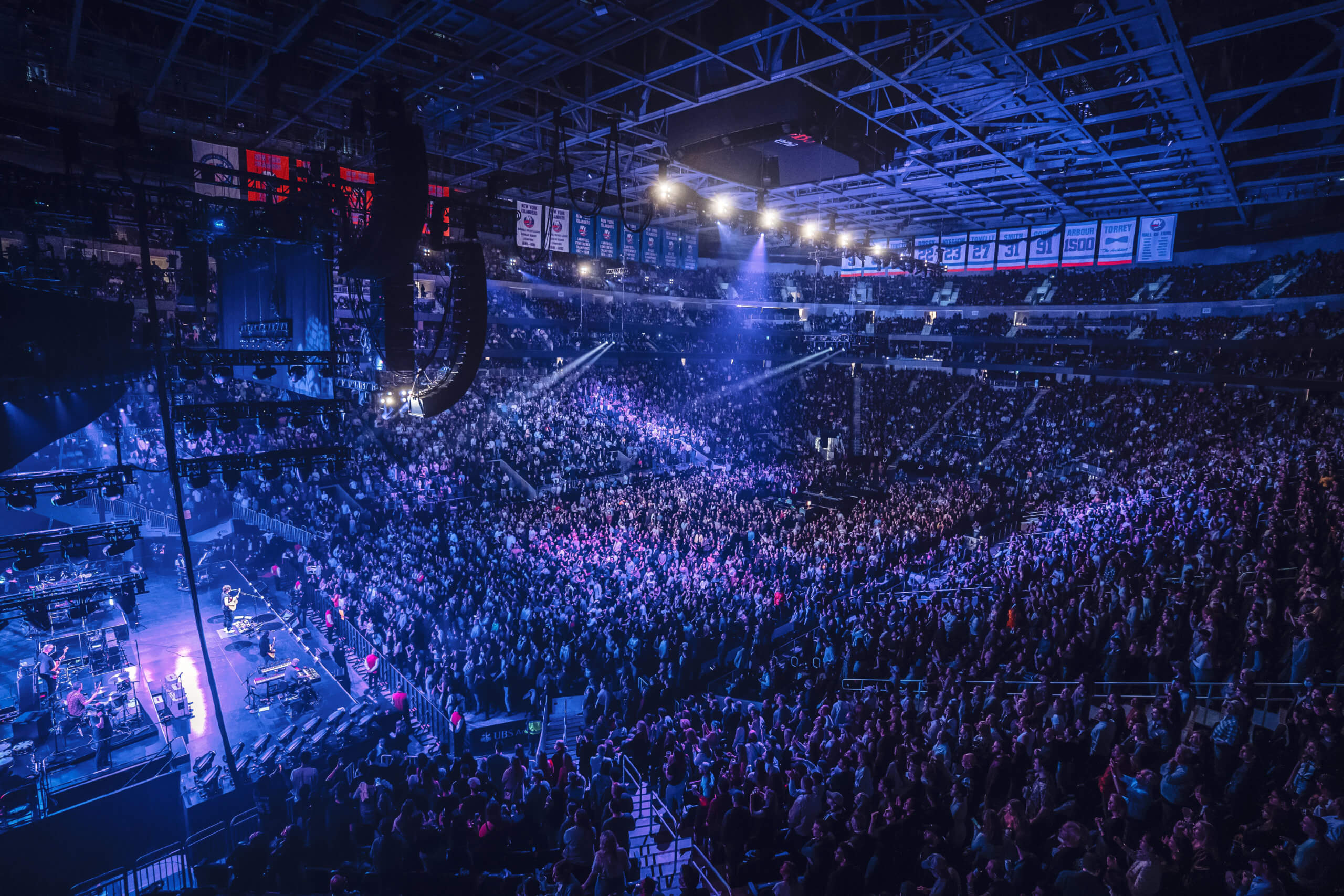
Home to major tours and sporting events, UBS Arena has achieved LEED Certified status, incorporating energy-efficient design, responsible materials sourcing, and water-saving technologies. While not yet positioned as aggressively renewable-forward as some peers, the venue is part of a growing cohort of large commercial arenas beginning their sustainability journey through LEED models.
Climate Pledge Arena
Seattle, USA
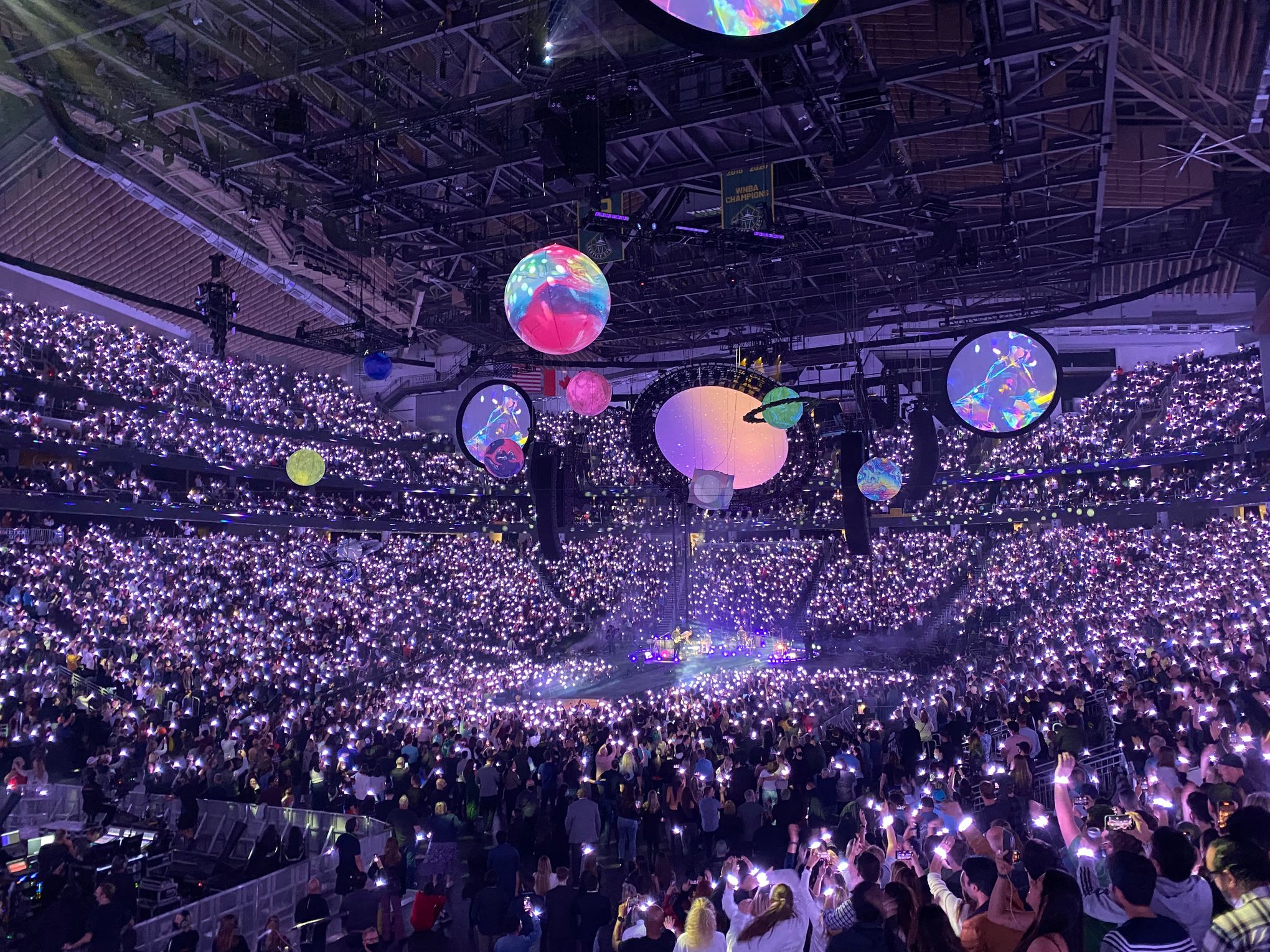
Often cited as the most ambitious arena project in the world, Climate Pledge Arena operates on 100% renewable energy and is certified as net-zero carbon by the International Living Future Institute. Though its primary certification pathway differs from LEED, its inclusion highlights how renewable energy use is increasingly becoming the foundation upon which other sustainability standards are built.
Why Renewable Energy Matters Now
Live music is energy-intensive by nature — lighting rigs, sound systems, touring logistics, and HVAC demands all contribute to a significant carbon footprint. As artists, fans, and policymakers increasingly scrutinize the environmental cost of touring, venues are under pressure to provide infrastructure that aligns with broader climate commitments.
LEED certification offers a transparent, third-party framework for accountability, while renewable energy commitments address the single largest contributor to venue-based emissions: electricity use. Together, they create cultural spaces that are not only greener in theory, but measurably lower-impact in practice.