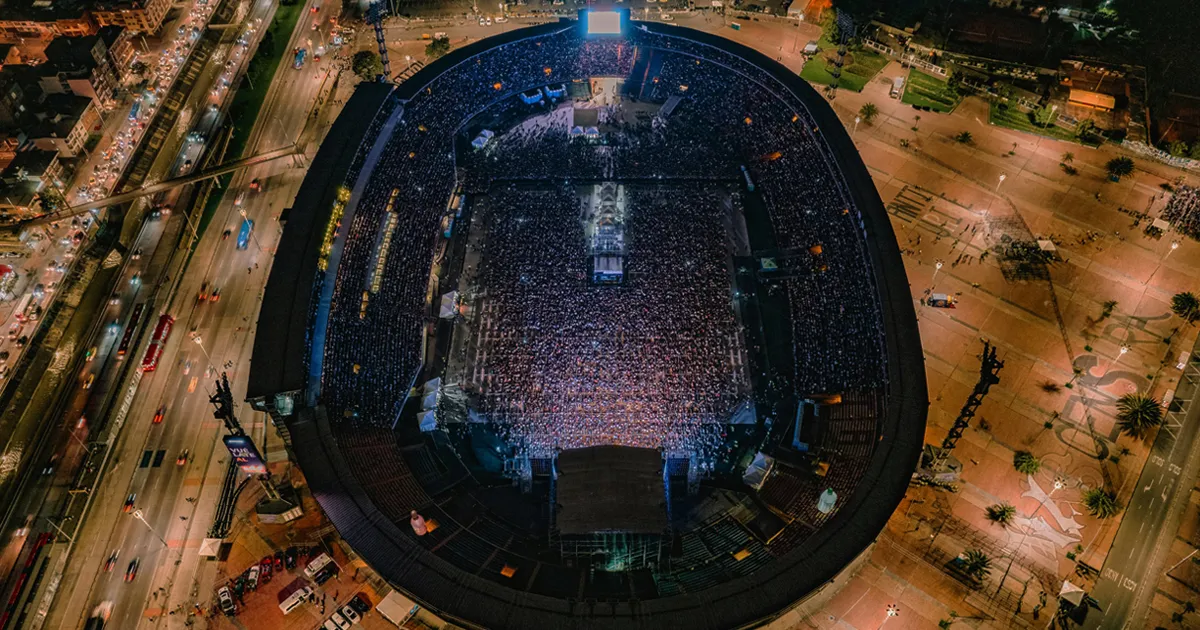
You've likely encountered some of the politicized misinformation floating around in the lead up to this year's NFL Super Bowl Halftime Show, which will put Puerto Rico's recent Grammy Award winning Spanish language star Bad Bunny on the world's biggest televised live stage.
Counter-arguments from the right, and straight from the White House's own social accounts, have mistakenly commented that Bad Bunny (Benito Antonio Martinez Ocasio) is "not an American citizen," and should therefore not be allowed to headline this event. Puerto Rico is a United States territory, indeed making Benito an American citizen, and regardless, at least 14 artists have performed at the Super Bowl Halftime Show who are not American citizens: U2, Paul McCartney, Shania Twain, The Rolling Stones, Sting, Coldplay, The Who, Rihanna, Shakira, and The Weeknd, to name a few.
A second criticism is that his songs do not include English lyrics, making his music unsuitable for an American broadcast. Bad Bunny has been Spotify's top global streaming artist four times, and was indeed 2025's top artist with over 19.8 billion streams. He just took home the Grammy Awards' "Album of the Year." Spanish is spoken by upwards of 59 million residents in the US, but more importantly this represents a shift in the globalized internet-driven culture to welcome foreign-language content — like K-Pop for example — en masse.
Lastly, Bad Bunny has been openly critical of the deportation actions of ICE, and has even protested performing his music in the United States citing not wanting his shows to become targeted raid spots for his fans. And this is where the NFL's choice to invite Bad Bunny to headline the Super Bowl Halftime Show in 2026 culminates everything that has changed since 2016.
+Read more: "How much are Super Bowl performers paid?"
For decades, the Super Bowl halftime show had a fairly simple mandate: be massive, be broadly appealing, and make the biggest television event of the year feel even bigger. It was pop spectacle at its most concentrated — a 13-minute highlight reel designed to entertain everyone from die-hard fans to halftime-only viewers.
But in 2016, during the NFL season, San Francisco 49ers quarterback Colin Kaepernick began a weekly silent protest of systemic racism and police brutality in the US, by taking a knee during the national anthem. Others joined, many on the outskirts of the game commented and argued about this action, it spiraled out into wider cultural spheres until the NFL head office could no longer ignore that football had become a pressure point for hotbed issues in America's dialogue.
Kaepernick too became a lightning rod in America’s ongoing culture wars — praised by supporters as courageous, condemned by critics as unpatriotic. By 2017, having been blacklisted by all NFL teams, he was no longer on a roster, and he has not played in the league since. This series of events exposed how deep-seated the NFL's values were with a status quo that simply no longer represented either the players or the fans supporting the game at large.
After 2017, the NFL was forced to reckon with the new reality that its biggest event, and live music's biggest global stage, the Super Bowl Halftime Show, would have to make space for artists to address — as opposed to ignore — their views.
Post-2016: The Halftime Show Becomes a Values Referendum
Prior to Kaepernick, the modern halftime show had already evolved into a high-stakes entertainment event. Once the league realized the show could rival the game itself in cultural impact, it leaned into mass appeal: familiar hits, superstar performers, and carefully engineered “wow” moments. The goal was simply to unify.
Thus, halftime shows pre-2016 were judged primarily on execution, energy, and star power. Yet once the NFL became a cultural battleground, every subsequent booking began to feel like a statement — not because artists necessarily intended one, but because context made neutrality impossible.
The Pinnacle: Kendrick Lamar (2025)
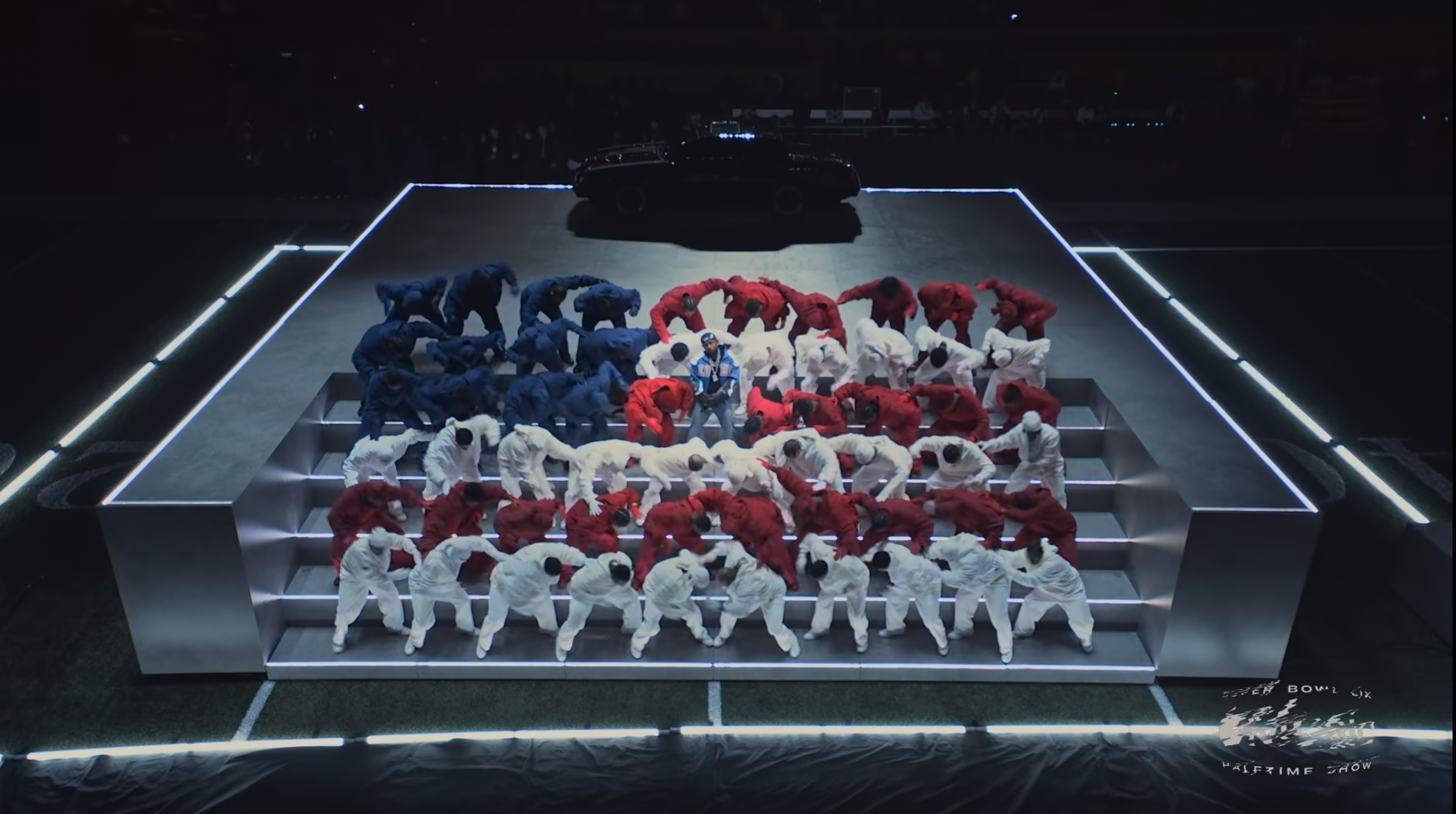
Let's start by going backwards. Kendrick Lamar’s 2025 halftime performance was received as far more than a career milestone: his body of work is deeply entwined with themes of American identity, race, and self-interrogation. Thus, the choices Lamar and his team made around costumes, staging, banter, choreography, and the lyrics in the songs in his setlist, flowed into weekslong cultural conversation interpreting the symbolism and narrative-crafting of it all.
This was equal parts performance art and entertainment, and a full-circle distillation of the post-Kaepernick NFL era. Artists on this stage don't just perform songs anymore, they're performing meaningful dialogue. Let's not even talk about the Drake diss track...
When “Playing It Safe” Ended: Maroon 5 (2019)
One of the clearest shifts after 2016 is that silence itself became legible. Choosing not to engage with the moment no longer guarantees safety. Maroon 5’s halftime performance is remembered less for its music than for its timing. Several prominent artists, most notably Rihanna, reportedly declined the gig in solidarity with Kaepernick.
When Maroon 5 accepted, the backlash arrived before the first note was played.
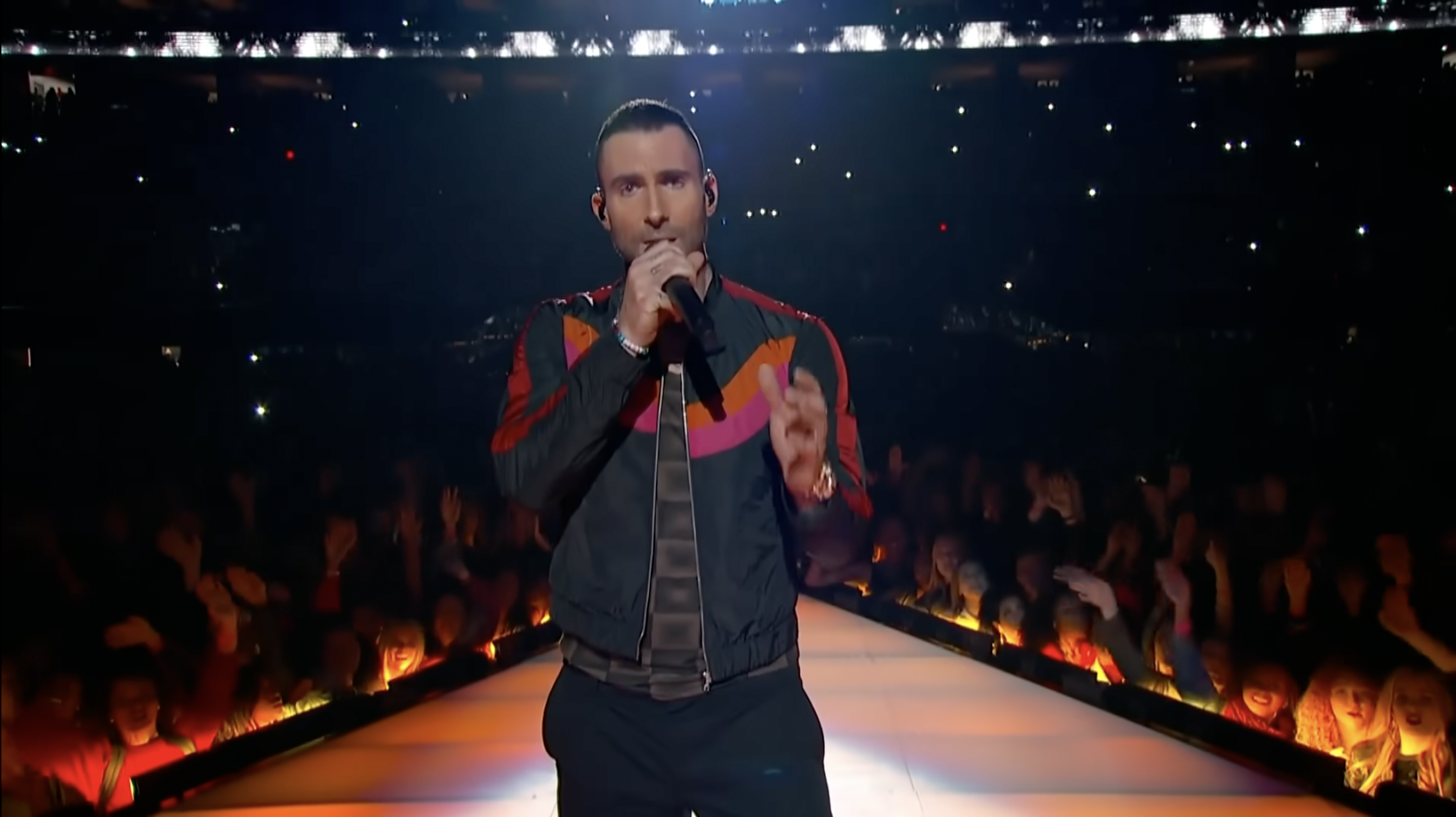
The performance itself was conventional, polished, and largely apolitical. But in the post-2016 climate, conventional felt evasive. The absence of commentary became the story. The lesson was blunt: neutrality is no longer neutral.
Representation As Spectacle: Dr. Dre feat. Snoop Dogg, Eminem, 50 Cent, Mary J. Blige & Kendrick Lamar (2022)
If halftime can no longer avoid symbolism, then representation itself sometimes becomes one of the show’s loudest talking points. The Dr. Dre curated 2022 halftime show featured a West Coast hip-hop lineup of artists which, once marginalized or policed by mainstream institutions, suddenly commanded the NFL’s most prestigious stage.
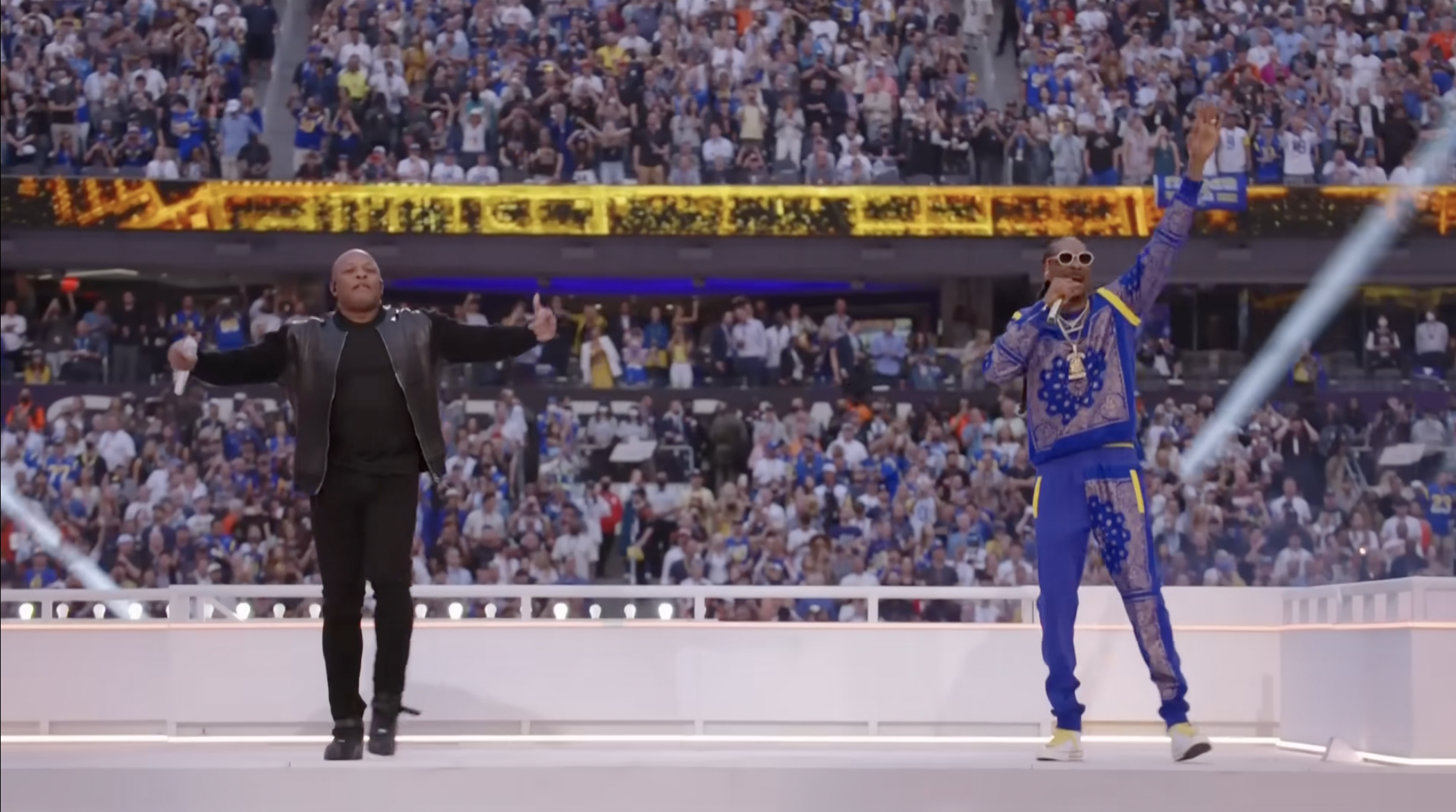
One moment in particular dominated the headlines following the game: Eminem kneeling during the performance. Regardless of official explanations, the gesture was inextricably linked to the evolving reputation and growing myth of Kaepernick's influence. That instant decoding is the change. After 2016, the audience expects symbolism — and will find it whether or not it’s intentional.
Legacy Management: Rihanna (2023)
In the post-Kaepernick era, the halftime show increasingly functions as a tool for artists to define or reclaim their narrative. When Rihanna finally did take the Super Bowl halftime stage in 2023, she hadn’t released new music in years. The performance wasn’t promotional in the traditional sense. It was declarative.
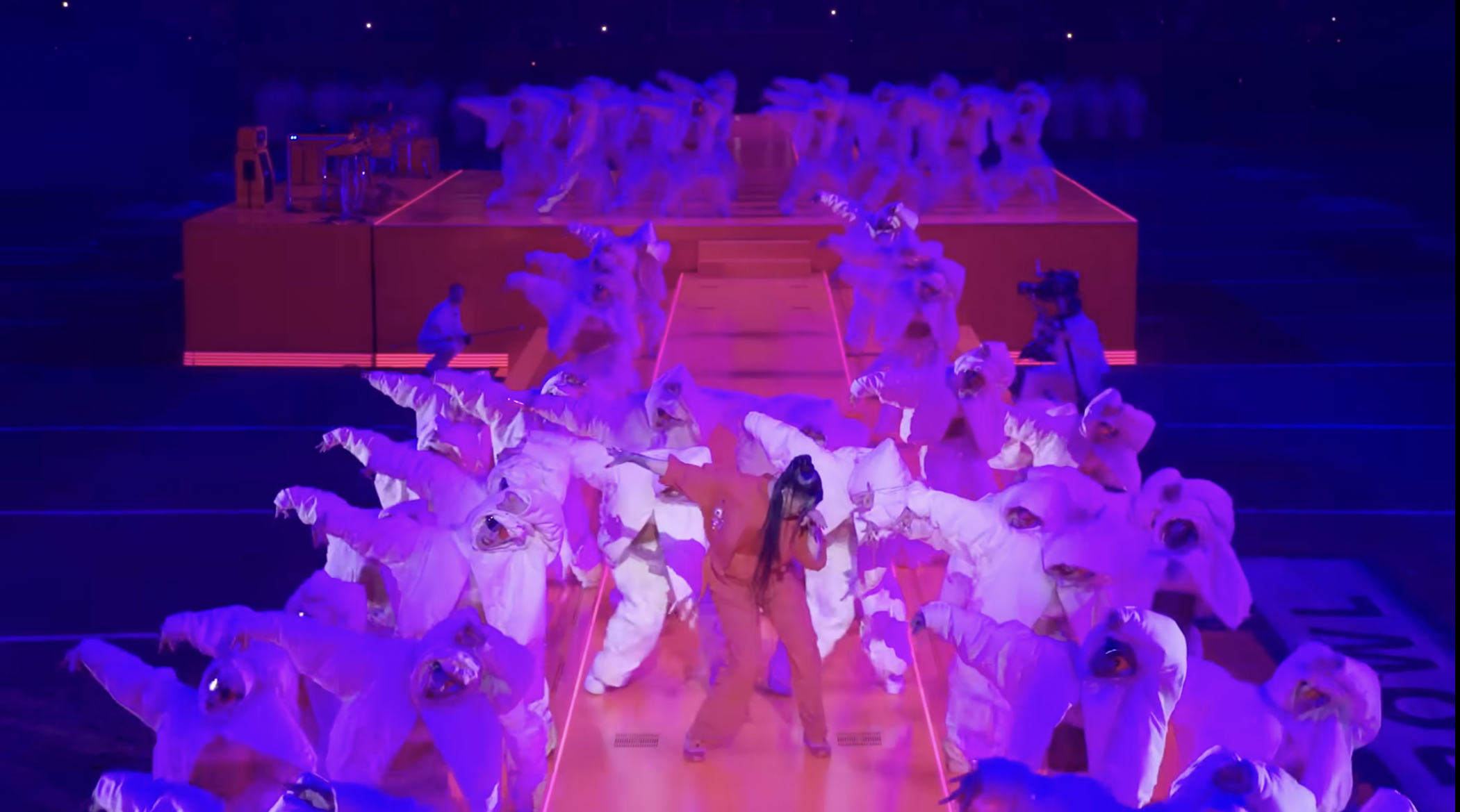
Rihanna took to the stage pregnant with her second child. She didn’t overtly engage political themes — but her creative control, her refusal to over-explain, and her timing were read as statements in themselves. This show was to make sure she had a say in how her career would be written into the history books.
Creating a Lasting Impression: The Weeknd (2021)
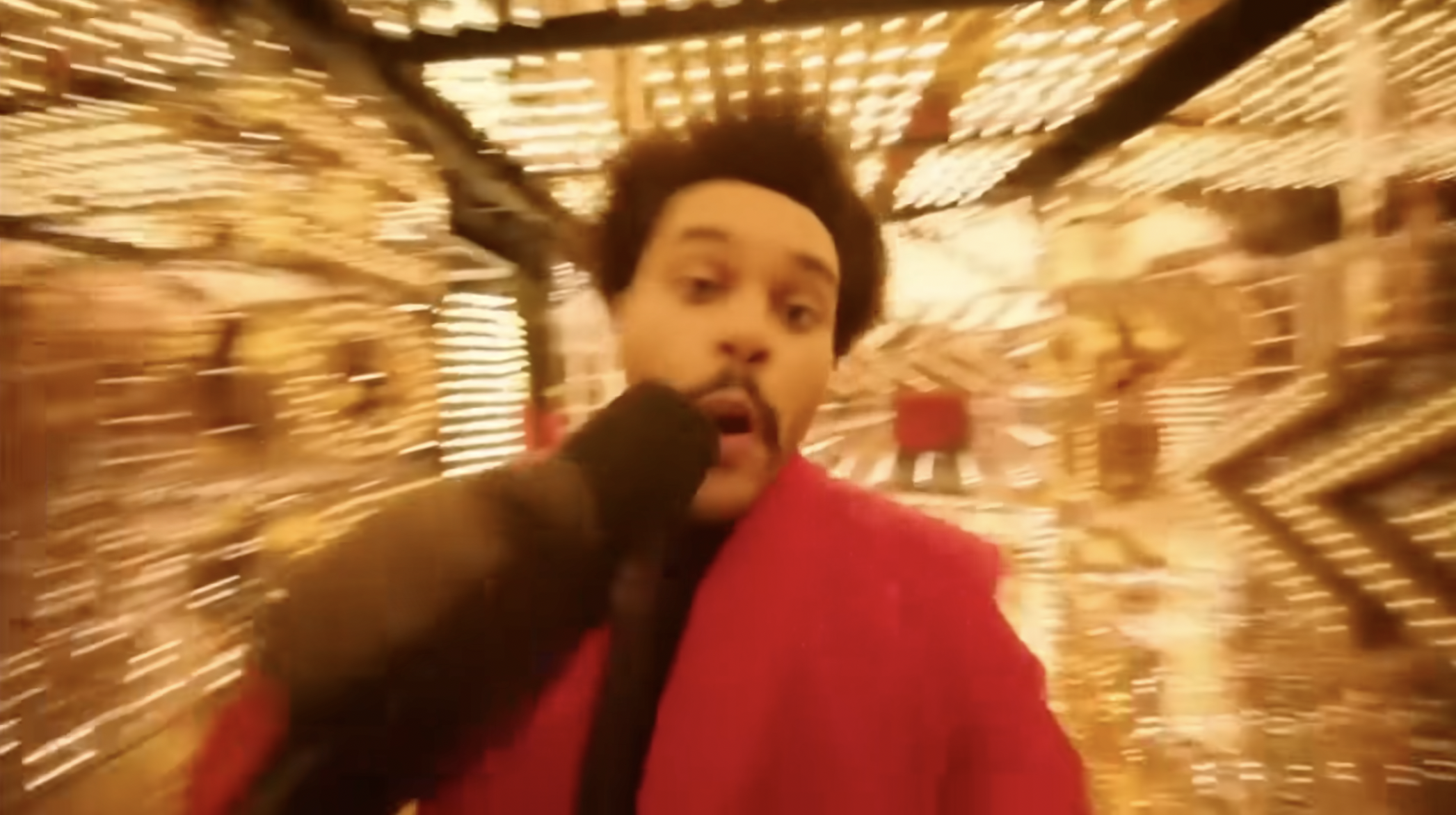
To take this back to where we started with Kendrick's 2025 performance, perhaps the most enduring change is what happens after the show ends. In 2021, The Weeknd delivered a performance filled with disorienting visuals, mirrored hallways, and distorted camera work. The response was immediate — not just applause or criticism, but interpretation.
Was it about fame? Isolation? Celebrity excess? Mental health? Abel Tesfaye was of course performing in character as the persona from his After Hours album, but the fact that those questions became central speaks volumes. Modern halftime shows are now judged not just on execution, but on interpretation.
So, where are we now?
Today, the Super Bowl halftime show functions as something closer to a legitimacy engine. The NFL uses it to signal (and argue for) their own cultural relevance, while brands use it to capitalize on the temperature of mass emotion. Artists have begun to use the world's biggest live stage as a platform for cementing their legacies on their own terms, voicing their message on political or cultural issues, and reclaiming representation for the communities with whom they stand in solidarity.
This sunday, February 8, Bad Bunny's headlining Super Bowl halftime performance is sure to bring a little bit of each.