

By Sean Toohey
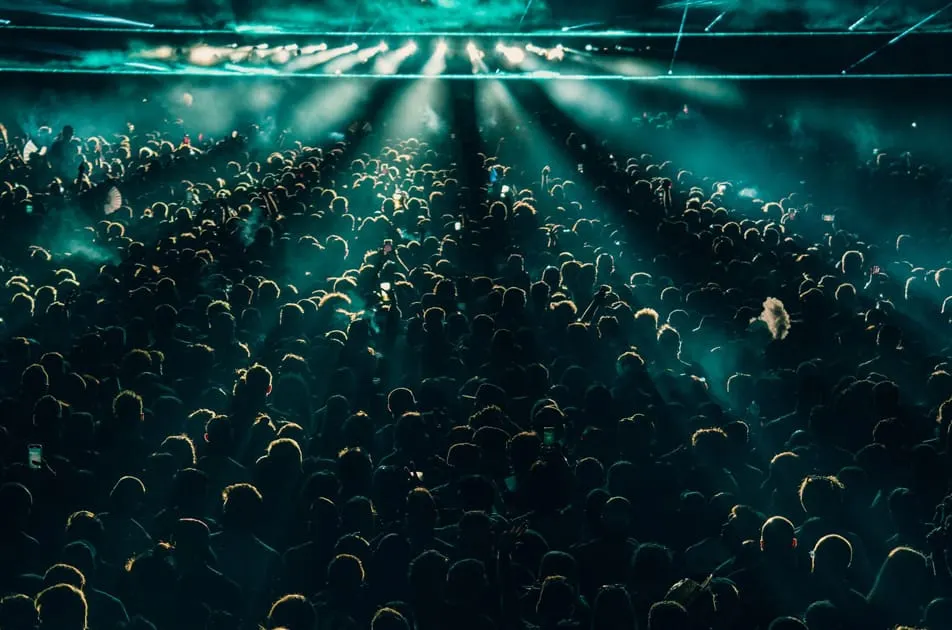
In an average year, 142 million people head out to see their favorite acts at live venues around the world, netting the top 100 concert tours as much as $4.5 billion in gross revenue.
However, while live music should be (and mostly is) about sharing unique and meaningful experiences with artists and fellow fans, unfortunately, this isn’t always the case.
High-profile attacks against concert venues in recent times have left some performers and concert-goers anxious about their safety, so much so that some governments have created new laws to help prevent future tragedies; such as the UK's Martyn's Law (which pays tribute to the 22 victims of the horrific Manchester Arena Attack in 2017).
In addition to legislation, venues themselves have stepped up to increase security without negatively impacting the concert-going experience. Let’s take a look at how venues are using tech to improve concert safety.
Digital Ticketing and Biometric IDs
The concept is fairly straightforward; by combatting ticketing fraud, venue staff can prevent known offenders from attending concerts and causing harm to people and property.
The reality is a bit more complicated. To confirm a person’s identity, operators need to check some form of difficult-to-fabricate data; something more complex than a name or a number. Providers like Ticketmaster believe that by linking tickets to biometric information (e.g. facial features and fingerprints), event organizers can prevent dangerous persons from entering venues while streamlining the concert-going experience for ticket-holders.
Some venues, Citi Field for example, have already implemented biometric IDs, if only as an opt-in service. That latter part is quite important, because understandably, some people have raised issues with handing over sensitive information to service providers.
We won’t go into the ins and outs of the protests here, but provided data is handled responsibly, biometric protections are just one way that live venues are attempting to prevent security threats.
Intelligent Security Screening Systems
In addition to clamping down on ticket fraud, many venue operators are exploring the use of smart physical security solutions to help prevent threats from unfolding at live events.
While security equipment like CCTV cameras and weapons detection systems aren’t exactly new technologies, advancements in AI and machine learning have enabled them to become increasingly intelligent and accurate.
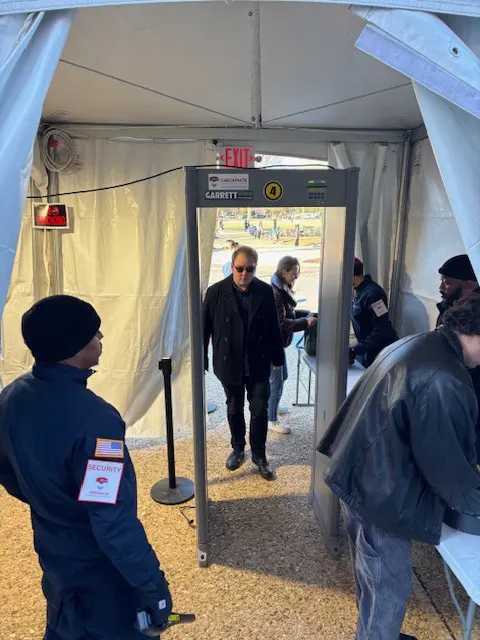
In some cases, researchers have found that AI cameras alone can achieve accuracy rates as high as 99.5%. Modern AI-powered cameras are not only able to autonomously detect high-risk objects like weapons, but also identify suspicious behaviors like acts of aggression and crowds forming in unusual areas. When combined with walkthrough weapons detection systems that use AI-powered sensors to identify concealed weapons, event organizers can more accurately and reliably prevent violent threats from breaking out inside venues.
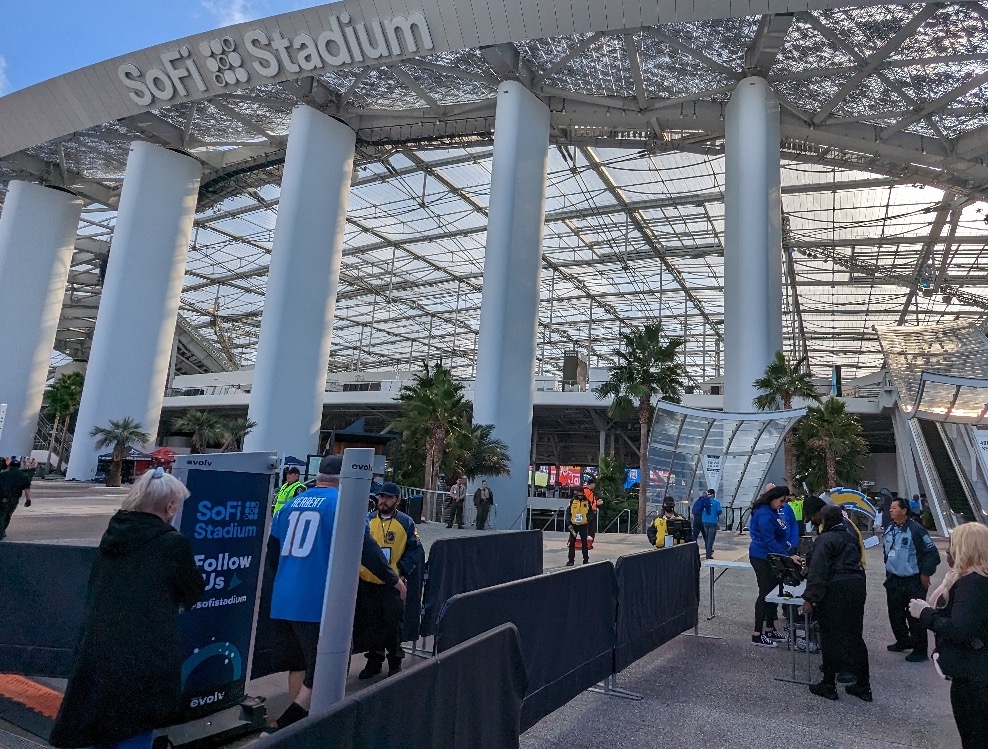
YouTube Theatre and SoFi Stadium have been using these types of screening systems since 2022 to help improve security without impacting convenience. If reports from SoFi Stadium’s senior vice president are to be believed, concert-goers are fairly happy with the results.
Integrated Internal Security Systems
To truly improve concert safety, security measures must extend beyond the turnstiles, which is why many operators are using similar technologies to those found in smart screening systems to keep people safe inside venues.
Combinations of AI-powered cameras and sensors installed throughout venues are being used to detect threats in dense crowds. Devices can be programmed to warn staff remotely of things like crushes, calls for help and violent acts to help drive quick safety responses.
Smart cameras and sensors are also being installed around concourses and high-risk areas like stairwells to detect subtle threats and issues like suspicious unattended bags or people vaping and smoking indoors.
On-site security staff can view feeds from all of these devices from a digital management portal accessible via portable smart devices. In the event that a threat is detected, nearby staff are instantly informed and given all the details they need to respond appropriately.
Research has shown that these solutions, alongside aforementioned screening systems, can reduce violent incidents by 72% and weapons-related incidents by 90%.
A Safer, Smoother Experience for Concert-Goers
While high-profile security incidents may have caused some people to avoid concerts in recent years, many signs point towards a resurgence in the live events industry, with Live Nation reporting a double digit boost in ticket sales earlier this year.
How much new safety measures have to do with this boost is unknown, but at the very least, they offer a positive sign that venues are committed to improving event safety and facilitating more convenient guest experiences for concert-goers of all kinds.
+Read more: "From Aircraft Carriers to Delis: Live Music Promoters Are Betting on Unusual Venues"
Sean Toohey is a freelance journalist and digital media specialist with extensive experience covering news, developments and emerging trends in the travel and leisure industries.