

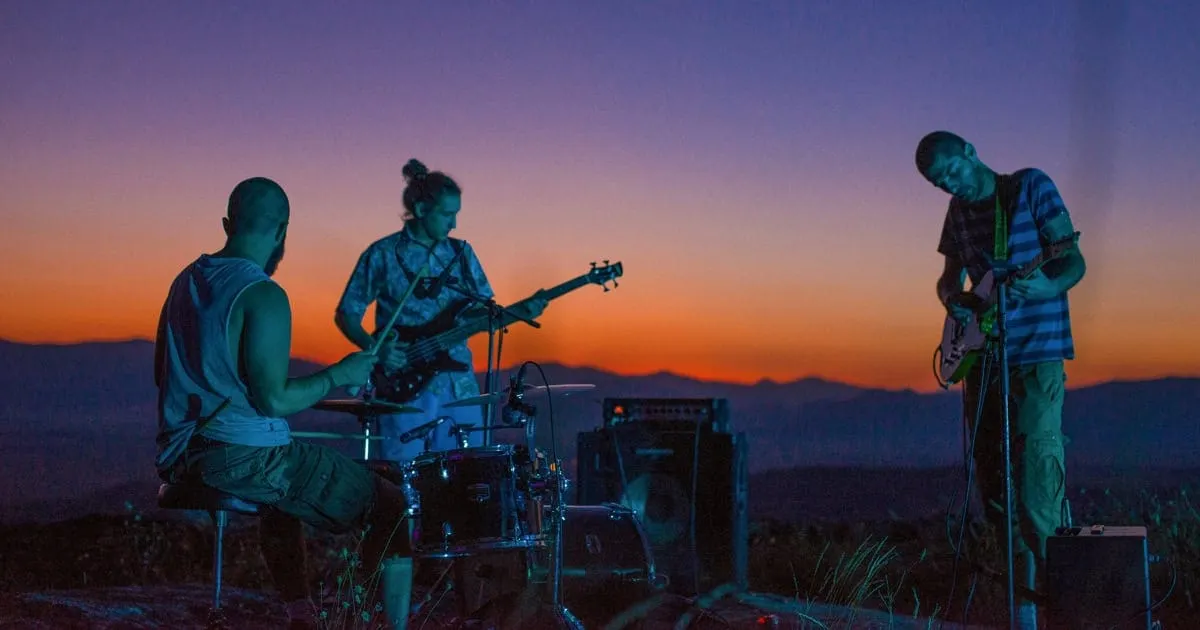
As music producers, label owners, and A&Rs, our job has always been to find and nurture genuine talent — people with raw authenticity, who dare to stand out and share their deepest emotions through their work. The best music isn’t just about technical perfection; it’s about vulnerability, risk, and the courage to “undress” emotionally in front of the world.
That’s what makes a song powerful enough to move us to tears.
The Rise of AI in Music. Why Technology Isn’t the Enemy
Let’s get one thing straight: I’m not against technology. In fact, back in 2004, when I first started working on what would become ColorWorld Music, we were among the first five labels in Europe to go fully digital. We skipped CDs, bypassed the physical market, and distributed our artists’ music directly online. That move wasn’t about rejecting the past, but about liberating resources — less money spent on duplication and rights meant more investment in production and our artists.
Our vision was to build a label that worked like the legends of the ‘50s and ‘60s — EMI, RCA, Philips, Capitol, Island Records. The goal was always to craft a unique sound and give space to real personalities. We believed, and still believe, that people are sensitive to what’s different and authentic — even if they don’t know what they want until they hear it. That’s a human thing.
You can’t ask AI to “make something unique” and expect it to deliver the real thing. At least by itself it cannot; a creative use of these tools by humans who happen to be creative, cultivated, and intelligent enough to get the most out of the AI might be able to make surprises.
Why Does Human Emotion Matter?
Why do we cry when we hear a certain song? It’s not just the melody or the lyrics — it’s the emotion behind the work. Music is a vessel for human feeling, and that’s something machines simply can’t replicate. There’s a reciprocity in art: we feel it because it was made by someone who felt it too.
Take Paul McCartney’s “Let It Be.” That song isn’t just a hit — it’s a piece of his soul, written after a dream of his late mother reassuring him during a difficult time. The emotion in that story is what makes the song timeless and universally resonant.
Recently, I encountered a so-called “producer” who submitted music to ColorWorld. At first listen, the tracks sounded flawless — radio-ready, polished, technically impressive. But something was missing. Every track felt the same. There was no vibe, no mojo, no soul behind the vocals.
A quick check revealed the truth: the music was 99.9% AI-generated. That was the red flag. At ColorWorld, we stand for music made by humans, for humans — music that communicates joy, pain, hope, and all the messy, beautiful emotions that make us who we are. We want tracks that embrace “happy mistakes,” not algorithmic perfection.
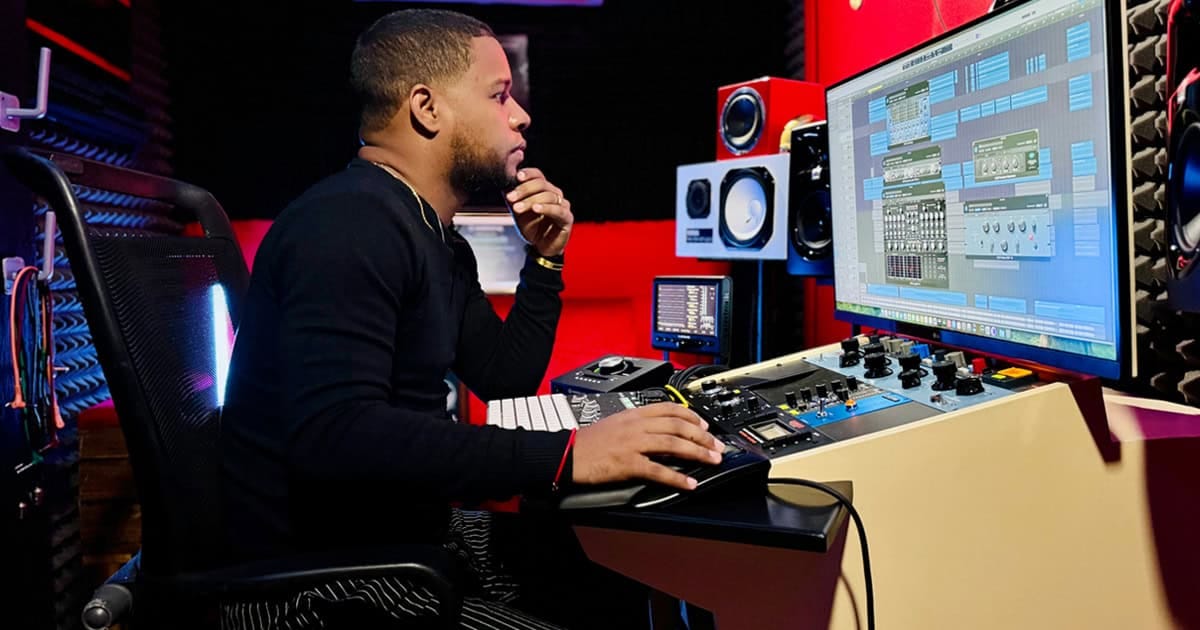
Where AI Belongs and Where It Doesn’t
Don’t get me wrong: I use AI every day. Penn (my AI assistant) helps me verify my text’s grammar (including this one), transcribe ideas, and fine-tune some lyrics when I need help to find a specific approach for a line.
AI is great for handling repetitive, technical tasks and freeing up time for what really matters — the story and meaning behind the music.
But when it comes to creating actual art, I believe AI should only support the process, not replace it. I won’t ask an AI to write a song for me. I come from the era of four-track tape recorders, where crafting a unique sound was part of the journey. The struggle and experimentation are what make the final result meaningful.
The Real Danger: Selling Out the Soul of Music
So, what is the real danger of this new technology in music, and what will its impact be? The biggest threat isn’t kids making disposable tracks with AI tools. The real problem is major companies — like Universal, who now own legendary labels such as EMI, Island, and Capitol — selling licenses of their catalogs to AI companies like OpenAI. They’re not just selling songs; they’re selling the creative DNA of their artists. These platforms will use that data to train algorithms to mimic the very souls of the musicians they once championed.
And here’s the irony: while these corporations own the names of these legendary labels, they no longer carry their values or their missions. They’re trading the spirit of creativity for statistics and profit. That’s not the future of music — it’s the future of business.
And the biggest problem is within this problem: these big record companies are run by people who spend more time analyzing data and converting statistics into potential income to meet their quarterly projections than searching for real talent and making real music.
Their job should be to find gems and help them share their voices with the world — not to run benchmarks to see what the biggest market share is watching on TikTok and conclude, “People want to hear that, so let’s give them that—it will pay off!”
Do you really think that in 1962, if someone ran a survey asking people what they wanted, it would have produced The Beatles? Or that data analysis in 1966 would have predicted Jimi Hendrix, or Pink Floyd? No way — no amount of market research could have anticipated those artists. They became legends precisely because no one expected them; their arrival was a shock that sparked pure excitement and exhilaration.
Today, the industry isn’t creating anymore; it’s no longer writing history by surprising people with fresh, inspirational art. It’s just focused on making money. The music business has become just that: a business.
Two Worlds: The Future Split
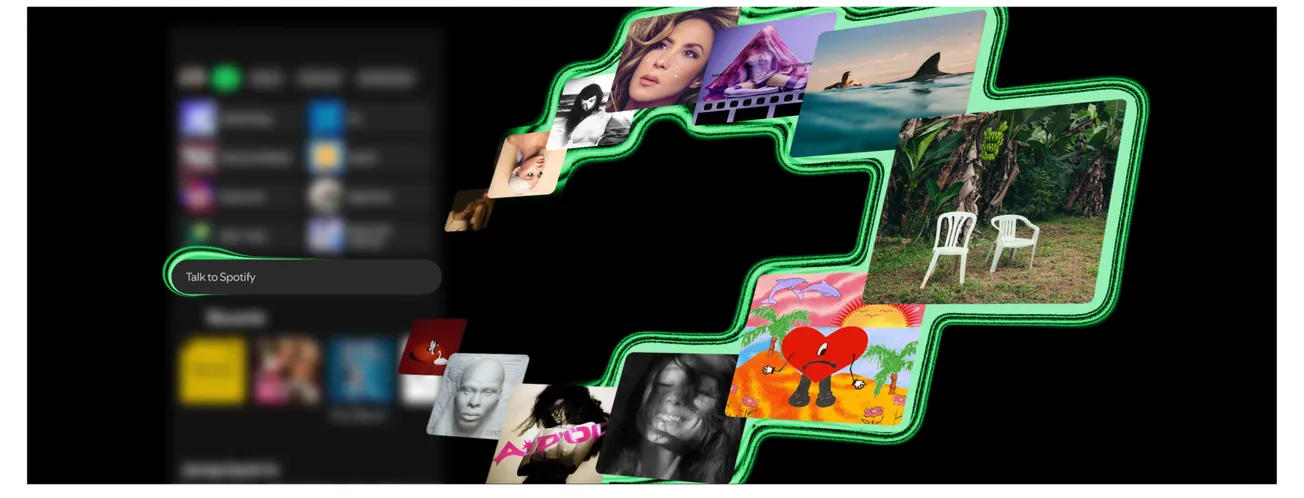
What I see coming is a split in the music world, and a split in the world in general. On one side, there’s the “big consumer” digital business: tasteless platforms like Spotify, flooded with AI-generated music, advertising, and fake songs — music as background noise, like junk food for the ears.
On the other, a growing movement of small, independent labels and artists who focus on genuine connection, authenticity, and emotion. These creators will distribute their own music, maybe not even on Spotify, and will work like the greats of the past — crafting something unique, telling real stories, and moving people.
This isn’t just nostalgia. It’s about people who want to feel something real — who want to cry at a song, be amazed by a painting, savor a home-cooked meal, or appreciate handmade craft. They’ll seek out music and art that’s made by humans, for humans.
Our Duty: Defend the Human Spirit
At ColorWorld, our mission is to defend real artists and the irreplaceable value of human emotion. As A&Rs and producers, we must resist the urge to chase trends and data for its own sake. The greatest artists — like The Beatles or Jimi Hendrix — weren’t created by market research. They were unique, unexpected, a little bit crazy, and more importantly they were different !
And that difference is what truly made a difference. Now, you can try asking Suno, “Hey Suno, make me a pop song about love — but make it sound different and new, like nothing anyone’s ever heard before!” It won’t work, because only humans are crazy enough to break boundaries, defy the rules, cross the line, throw a TV out of a hotel window, get arrested, and come up with a lyric like, “keep on loving a free world.”
The world doesn’t need more of the same. It needs people bold enough to take risks, share their pain, and change the world with their authenticity.
There will always be people who don’t care, who don’t ask themselves many questions — they’re fine with McDonald’s and Temu, and they watch and listen to whatever consumer society tells them to. It’s nothing new, and we can’t save everybody.
But there will also be people who cherish human connection and craftsmanship, who are true to their feelings and emotions, who like to write on paper and read books instead of watching ads on on-demand TV, who prefer to choose the music they love even if they have to pay for it.
There will be so-called “artists” who fake it on social media because it’s trendy, creating noise and pollution with little to say, relying on technology to do everything for them. But there will also be truly creative people who use technology in original ways and discover new forms of expression.
There will always be artists and real creators out there searching for new ways, choosing their own path, and following their ideas no matter the cost. They may belong to a smaller and smaller community, but in the end, they’ll be seen as rare souls — luxury beings — because so many others will have been lulled to sleep and blinded by the dictates of big money. But we, the creators, carry the flame of passion and love that can save most of them.
So, hope is around the corner.

Steve Crispin is a limitless creative mind, music producer, and brand storyteller. Founder of ColorWorld Music, he blends music, branding, and visual arts to craft emotion-first experiences for brands, artists, and audiences worldwide. Known for his non-linear thinking and passion for innovation, he thrives on connecting ideas, people, and disciplines—always exploring new ways to move and inspire.