


Tencent Music Entertainment: More Than Just Streaming
For independent artists looking to expand their reach, China represents one of the largest untapped music markets in the world. At the heart of this market is Tencent Music Entertainment Group (TME) — a streaming and music ecosystem unlike anything in the West. Understanding how TME works, and why China’s streaming ecosystem is so different, can open new opportunities for artists seeking global audiences.
Tencent Music isn’t a single app — it’s an entire ecosystem. Under its umbrella are QQ Music, Kugou Music, Kuwo Music, and WeSing, each catering to different listening habits, demographics, and interactive features. While QQ Music focuses on mainstream streaming, Kugou and Kuwo include music downloads and community-based features, and WeSing specializes in karaoke and user-generated content.
Here’s a bit more information on each.
QQ Music
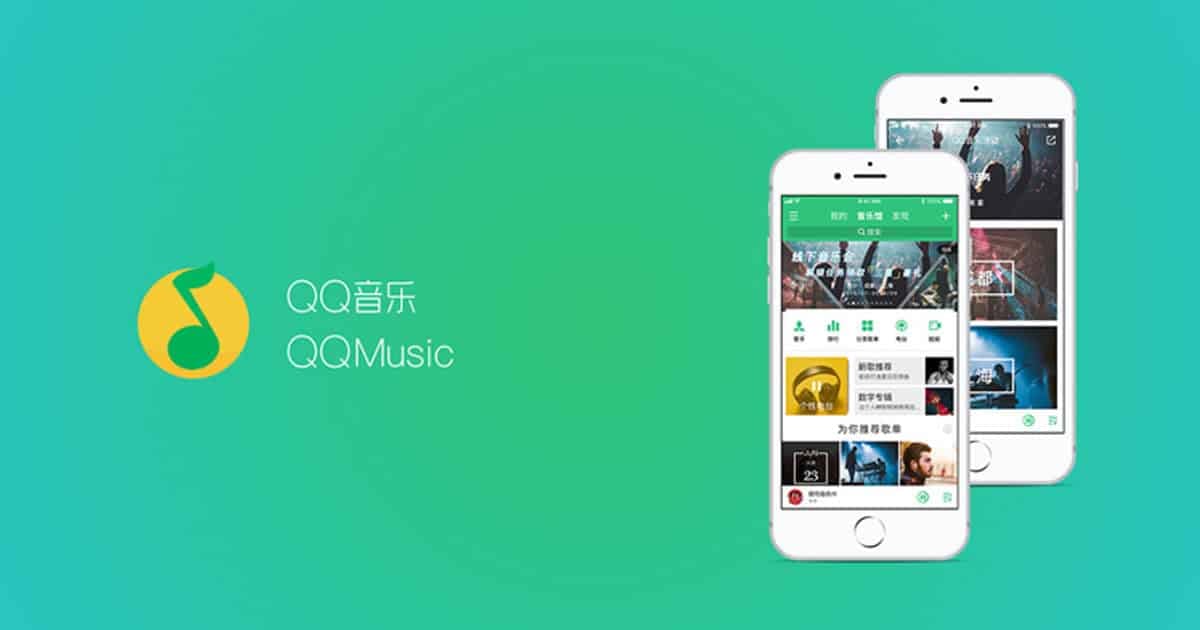
QQ Music is Tencent’s flagship streaming platform, offering a modern, Spotify-like experience with a massive catalog of domestic and international music. It’s known for strong editorial curation, high-quality streaming, music videos, and social features like commenting and sharing. QQ Music tends to attract younger, more mainstream listeners and is often the primary entry point for international artists releasing music in China.
Kugou Music
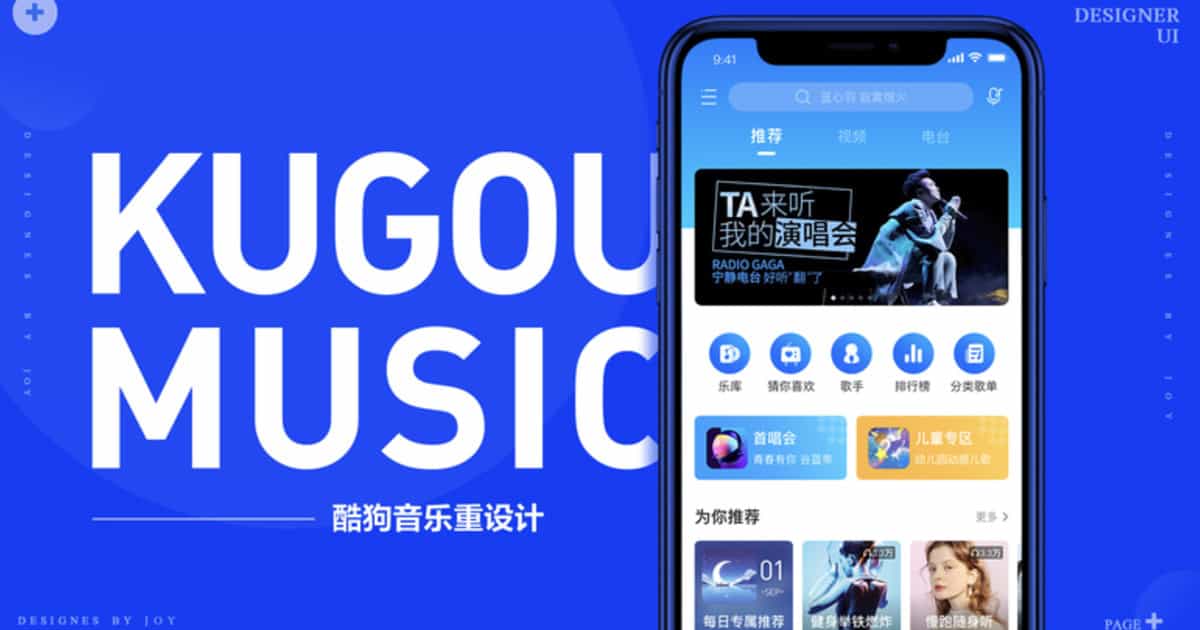
Kugou Music is one of China’s most widely used music apps, especially popular among users in smaller cities and non-metropolitan regions. It blends streaming with downloads, karaoke-style features, charts, and community engagement tools. Kugou’s strength is its broad, diverse user base and its popularity among fans of Chinese pop, dance, and regional genres. It’s a powerful platform for discovery at scale.
Kuwo Music
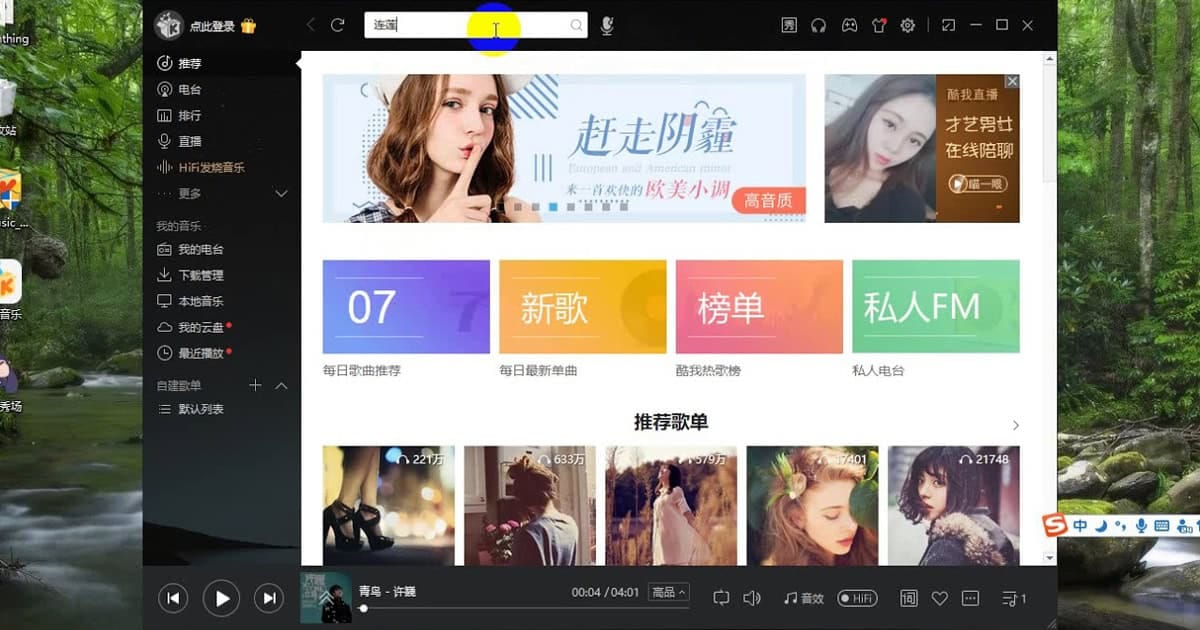
Kuwo Music focuses heavily on curated genre stations, music videos, and themed playlists, often appealing to users who prefer lean-back listening and mood-based discovery. It has strong ties to live music programming and exclusive content, including concerts and livestream performances. Kuwo’s catalog skews toward mainstream Chinese music, but it also surfaces niche genres through station-style listening flows.
WeSing
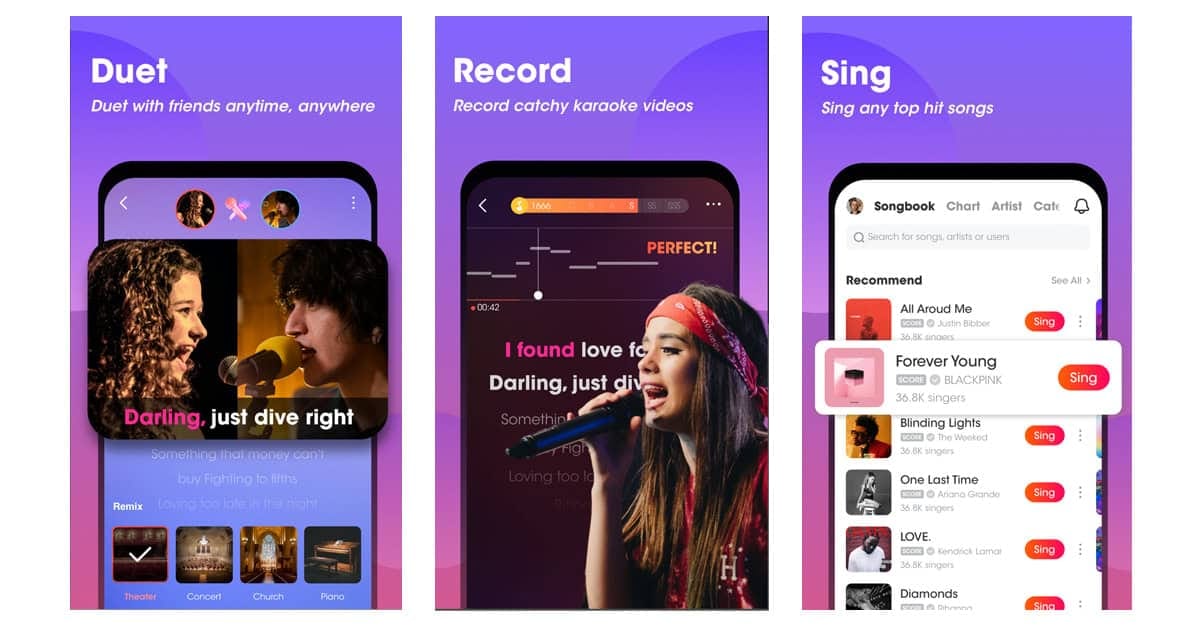
WeSing is Tencent’s karaoke and user-generated music platform, functioning like a social singing app crossed with TikTok. Users record covers, duets, and short singing videos; participate in challenges; and follow creators. For artists, WeSing serves as a fan-engagement powerhouse where songs can trend through viral karaoke use, covers, and user performances — often driving discovery back to QQ Music, Kugou, and Kuwo.
Together, these platforms form a holistic music entertainment ecosystem that combines streaming, live performances, karaoke, music videos, and social features, and reaches hundreds of millions of users, making it one of the largest digital music ecosystems in the world. It’s essentially like a hybrid of Spotify, Twitch, YouTube, and Smule all rolled into one — offering artists multiple avenues to engage fans beyond just audio streaming.
Owned by the Chinese tech giant Tencent, TME leverages massive infrastructure and integration with other Tencent services, giving artists access to a huge audience and advanced tools for promotion and monetization.
What Makes Tencent’s Ecosystem Unique
Several key differences set Tencent Music apart from Western streaming services:
1. Integrated Social & Live Features
Chinese music consumption often blurs the line between music and social entertainment. Platforms like WeSing allow users to sing karaoke, share performances, and engage with communities. QQ Music and Kugou offer live-streamed concerts and interactive events. For artists, these features mean more opportunities to connect with fans, generate income through live events or virtual gifts, and build a following that goes beyond simply streaming a track.
2. Multiple Platforms Under One Roof
TME’s ecosystem includes multiple apps with different strengths, but all share the same infrastructure. A song distributed via TME can appear on QQ Music, Kugou, Kuwo, and WeSing simultaneously, maximizing exposure. This multi-platform approach contrasts with Western streaming services, which typically operate as individual, siloed apps.
3. Support for Independent Artists
TME is supported by distributors like DistroKid, TuneCore, LANDR, Amuse, RouteNote, and Ditto Music, which allow indie musicians to upload their music across all TME platforms. Once live, artists can access tools such as TME Business Intelligence, offering insights on streams, demographics, trends, and playlist performance. TME also supports AI-assisted creation: indie artists can generate music tracks, lyric suggestions, or cover art using AI tools and release them directly to QQ Music.
4. Licensing and Global Distribution
Through TME Music Cloud, artists and labels can manage global distribution, marketing, copyright licensing, and data analytics in one place. For independent artists outside China, this service acts as a bridge to the Chinese market — helping to demystify the complex licensing and rights management needed to reach audiences in the region.
5. Diverse Revenue Streams
TME offers multiple monetization options beyond streaming royalties, including digital downloads, advertising revenue, live performances, virtual gifts, and social engagement features — a significant advantage over Western services that rely mainly on per-stream payouts.
Why China’s Streaming Ecosystem Looks Different
The Chinese music market has evolved differently from the West, influenced by mobile-first internet culture, social media integration, and audience expectations for interactive entertainment. TME’s ecosystem reflects a holistic approach to music as entertainment, not just audio.
In the expanded Chinese influential world:
- Music consumption is social and participatory — karaoke, live streaming, and fan interaction are standard.
- Platforms like TME combine streaming, social, and entertainment into one ecosystem.
- Massive scale means even niche or independent artists can potentially reach millions of listeners.
- Licensing and platform structures favor an integrated ecosystem rather than fragmented services.
Tencent Music isn’t just China’s version of Spotify — it’s a massive, multi-layered music entertainment ecosystem combining streaming, social features, live performance, and AI-assisted tools. For independent artists, it represents both a unique challenge and a tremendous opportunity: the chance to reach millions of new fans, diversify revenue, and engage audiences in ways that Western platforms rarely offer.