

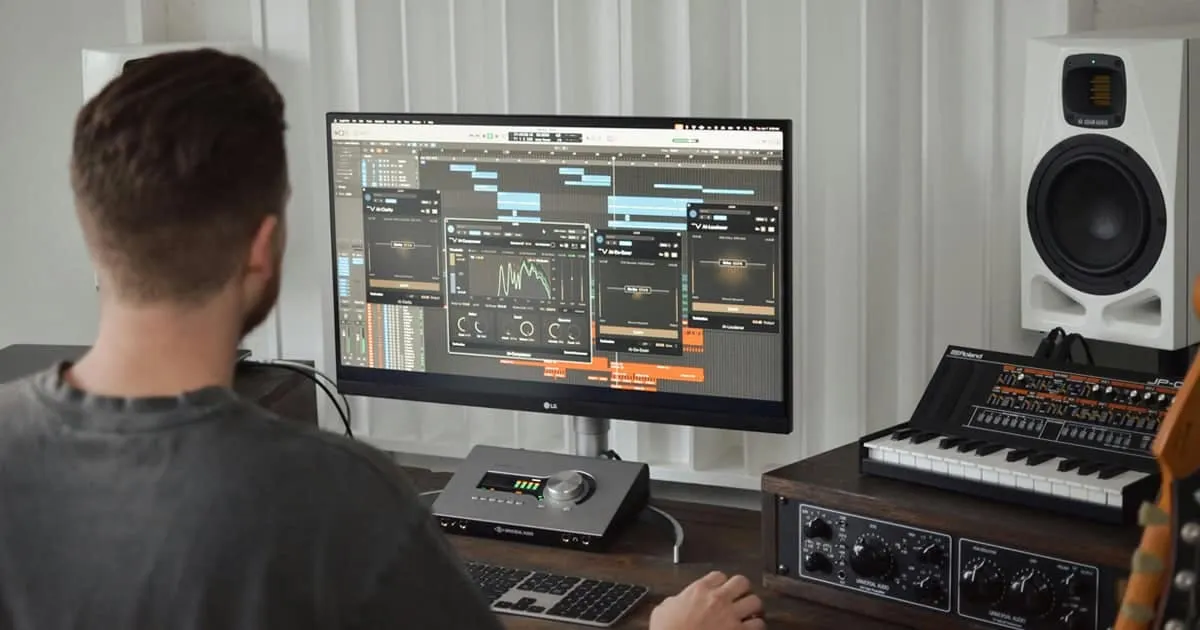
Artificial intelligence doesn’t have to mean robots writing songs or deepfake vocals. For many working musicians, the most useful AI tools are the boring ones — the ones that save time, reduce admin, and make practice or promotion more efficient.
From track prep to tour planning, here are nine AI-powered tools helping musicians work smarter, not louder.
1. StrmMusic – Smarter Release Strategy & Playlist Insights
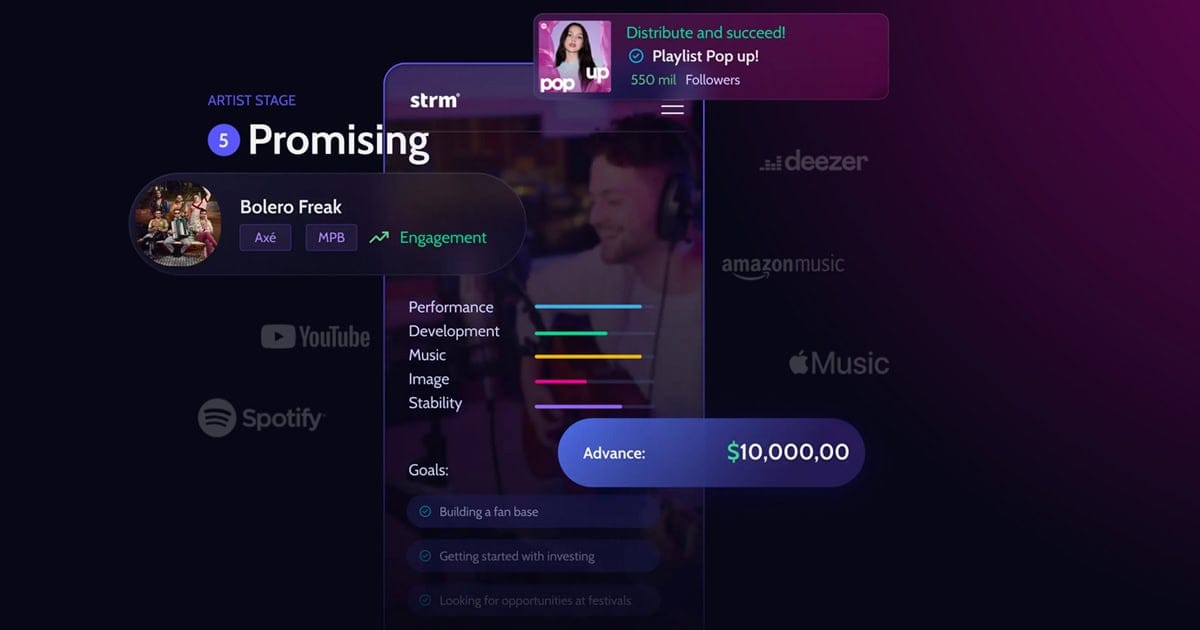
StrmMusic uses AI to analyze streaming data, playlist placements, and release patterns to help artists understand what’s actually driving growth. Instead of guessing when or how to release music, musicians can spot trends, measure momentum, and adjust strategy in real time, without needing a data science degree.
Best for: Independent artists planning releases and tracking performance.
2. Moises – Practice, Not Creation
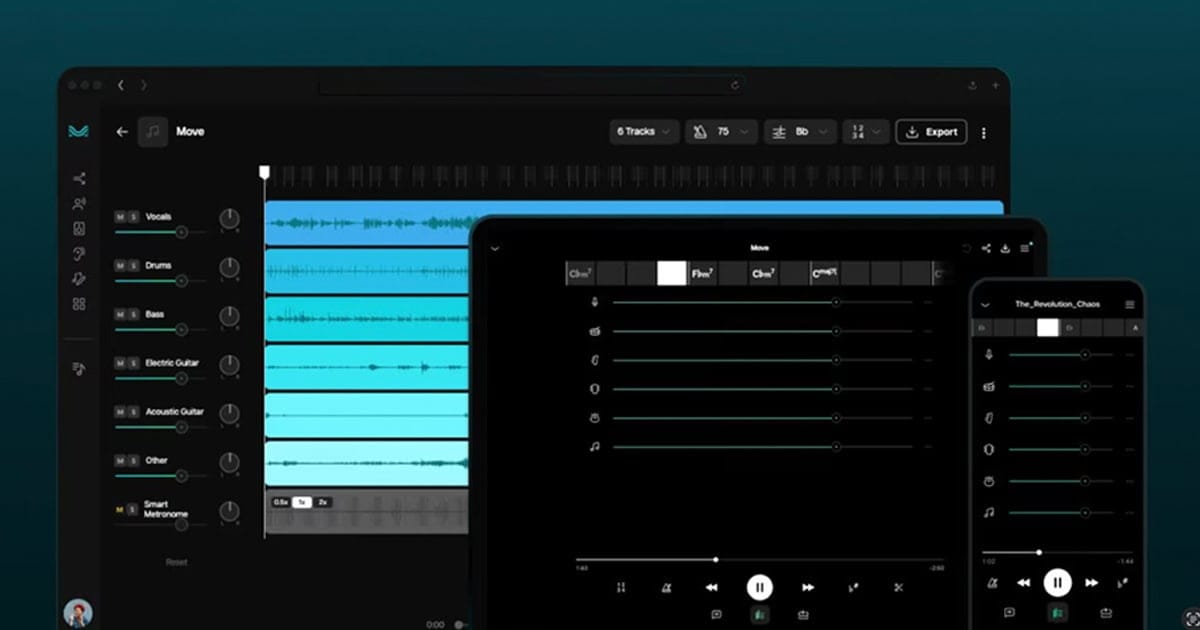
Moises has become a staple practice tool for musicians, using AI to separate stems, detect chords, and adjust tempo or key — all without generating new music. Whether you’re learning parts, creating rehearsal tracks, or isolating tricky passages, it’s a major time-saver.
Best for: Practicing musicians, educators, and cover bands.
3. Samplette.io – Faster Sample Discovery, Less Digging
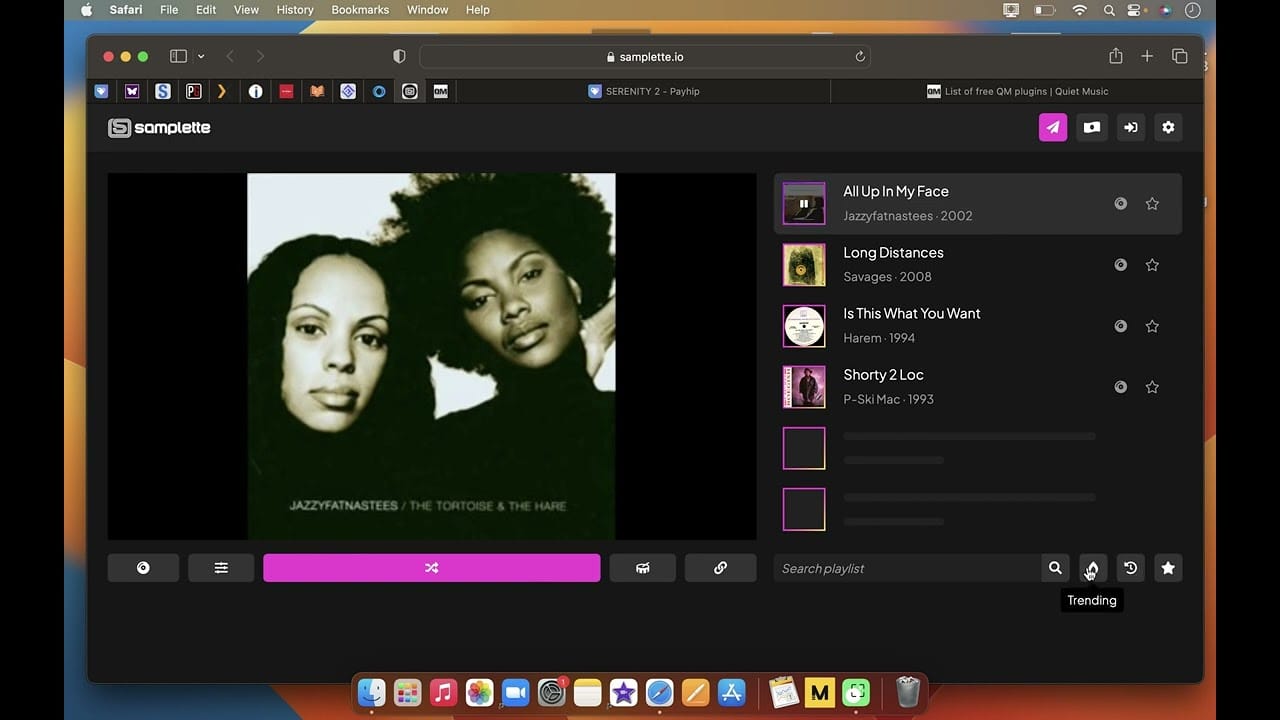
Samplette uses AI to analyze thousands of records and surface royalty-free samples based on instrument, era, BPM, and style. Instead of endlessly crate-digging or scrolling through sample packs, musicians can quickly find usable source material that fits a specific need. While it doesn’t create sounds, it drastically cuts down the time spent searching for inspiration or raw material.
Best for: Producers and beatmakers looking to streamline sample discovery.
4. Waves Cosmos – Intelligent Sample Organization
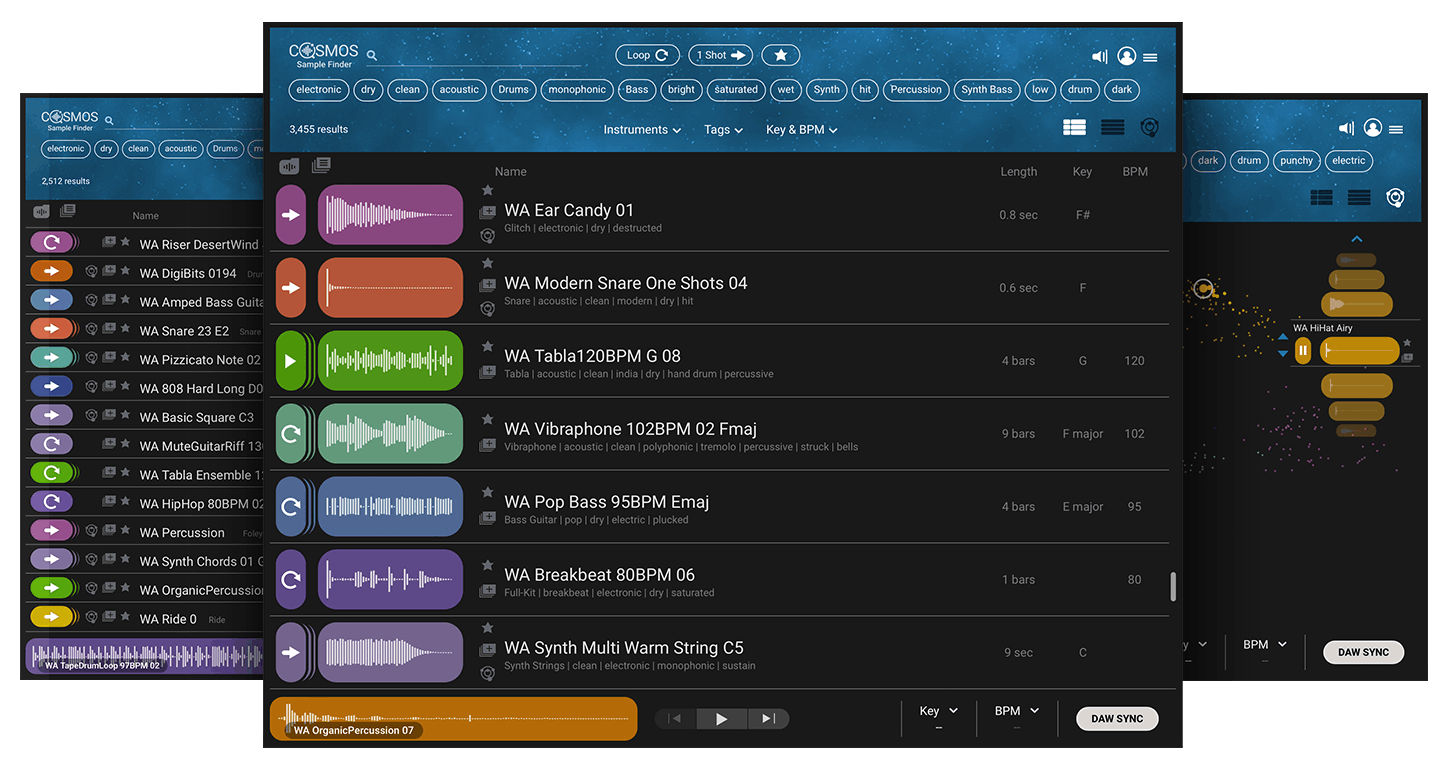
Waves Cosmos applies AI tagging and analysis to your existing sample library, automatically categorizing sounds by type, tempo, key, and character. For producers drowning in folders named “Kick_Final_03,” Cosmos turns chaos into a searchable, organized system. The result is less time hunting for sounds and more time actually working.
Best for: Producers with large, unruly sample libraries.
5. LALAL.AI – Clean Stems Without Studio Headaches
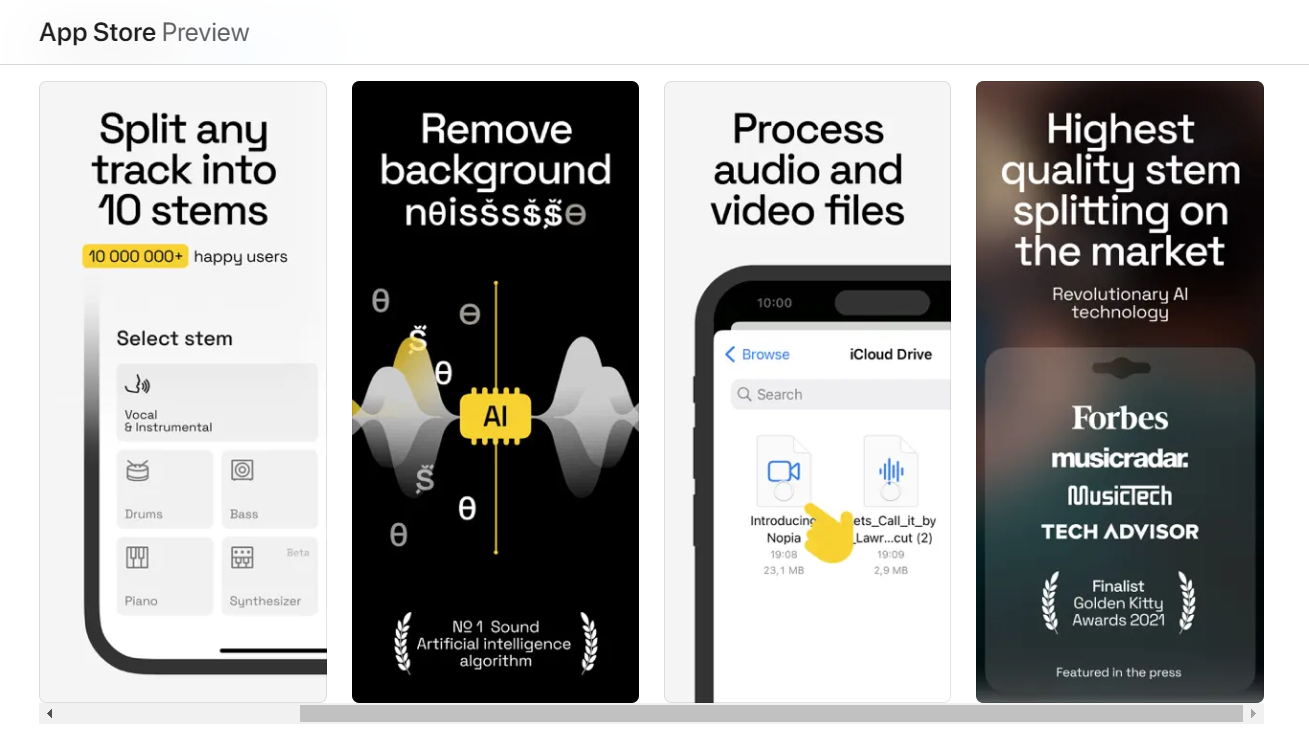
LALAL.AI uses AI-powered source separation to extract vocals, drums, bass, and other elements from finished tracks. It’s commonly used for practice, remix prep, DJ edits, or archival work — not for generating new music. By handling stem separation quickly and cleanly, it removes the need for complicated manual processing or unreliable DIY methods.
Best for: DJs, remixers, educators, and musicians needing stems for non-creative workflows.
6. Vampr Analytics – Smarter Networking Decisions
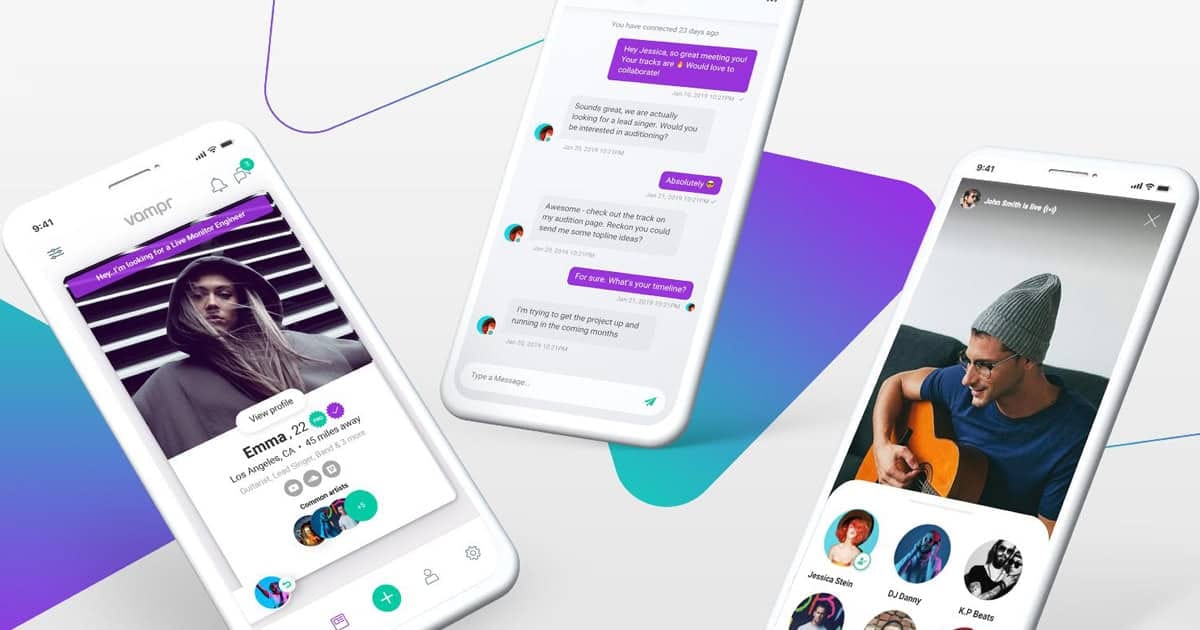
Vampr’s AI-driven insights help musicians understand who’s engaging with their profile and which connections might actually lead somewhere. It turns networking from endless scrolling into something more intentional and measurable.
Best for: Musicians collaborating, forming bands, or building teams.
7. LANDR – Automated Mastering & Release Prep
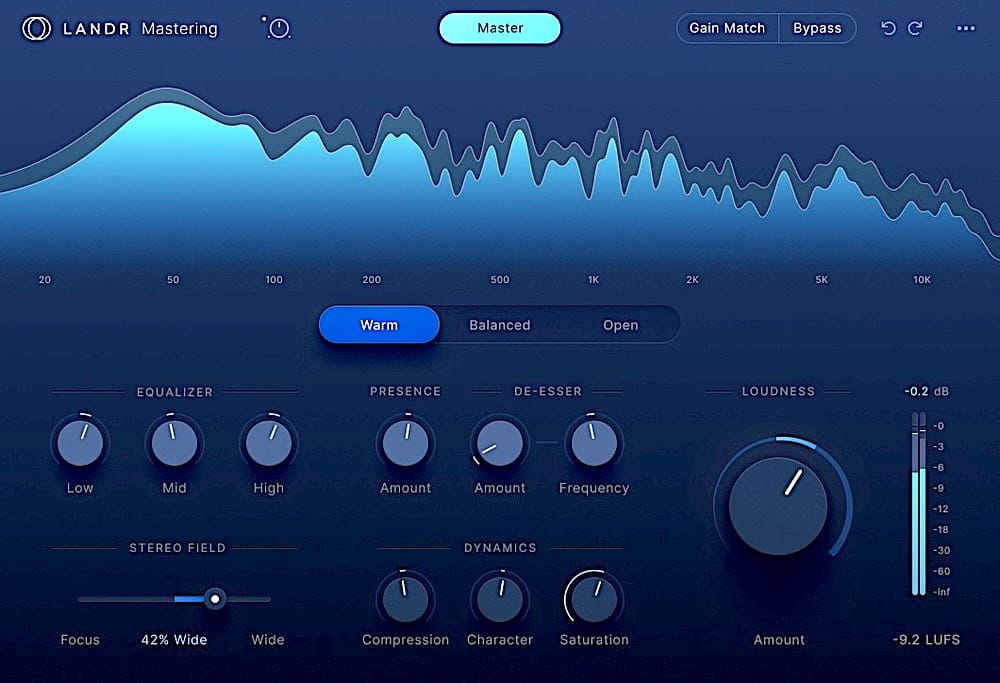
LANDR applies machine learning to analyze tracks and deliver technically consistent masters optimized for different platforms. Beyond mastering, its tools also support file management, distribution prep, and version control — cutting down on administrative friction around releases. For artists without access to a mastering engineer on every project, LANDR acts as a fast, reliable technical checkpoint.
Best for: DIY artists preparing music for digital release.
8. Sonible smart:comp 2 – Compression Without Guesswork
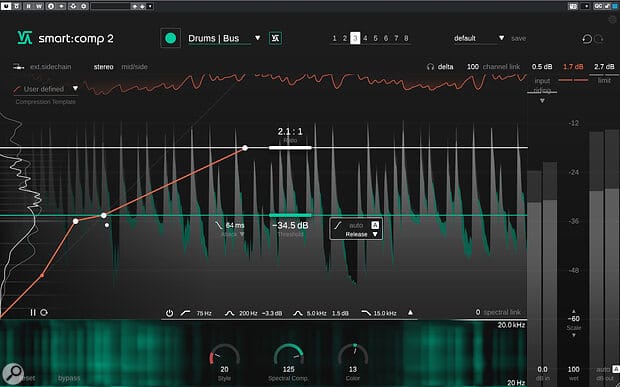
Sonible smart:comp 2 uses AI-driven signal analysis to automatically set compression parameters based on the incoming audio. By understanding the characteristics of vocals, drums, or full mixes, it minimizes time spent tweaking thresholds and ratios. The tool still allows full manual control, but its intelligent starting points make mixing faster and more efficient.
Best for: Producers and mix engineers aiming to speed up session workflows.
9. Midjourney – Visual Assets Without a Design Team
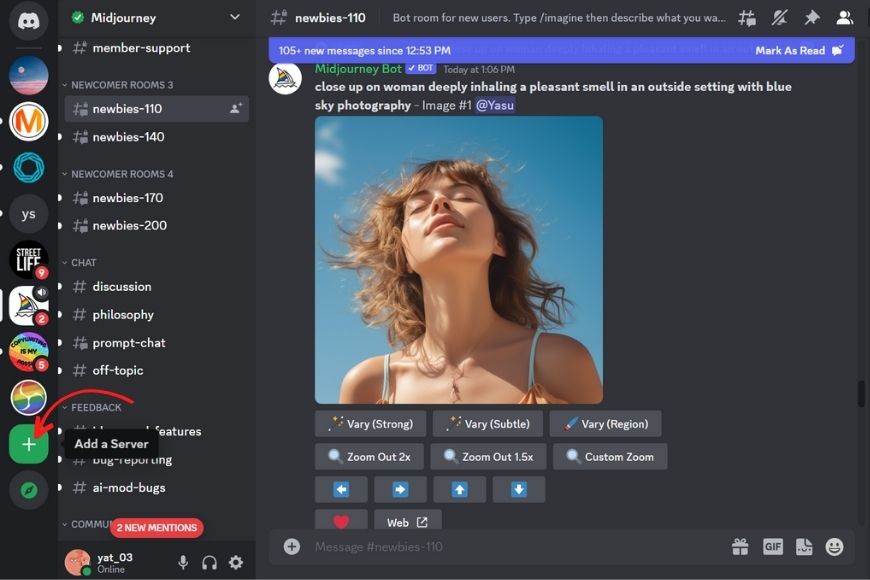
While Midjourney is a generative AI tool, it’s not about making music — it’s about helping musicians quickly create visual assets. Artists use it to generate cover art concepts, tour posters, social media visuals, and mood boards without hiring a designer for every iteration. For musicians juggling releases, branding, and promotion, Midjourney can dramatically speed up the visual side of a project, especially in early planning or pitching stages.
Best for: Artists needing fast visuals for marketing, branding, or concept development.
Why Non-Creative AI Matters for Musicians
These tools don’t write songs, generate vocals, or replace musicians — they handle analysis, organization, and optimization, freeing artists to focus on the creative work only humans can do. As the music industry continues to debate AI’s role in creativity, productivity-focused tools are quietly becoming essential infrastructure for modern music careers.
And the best part is, you get to stay human while using them.