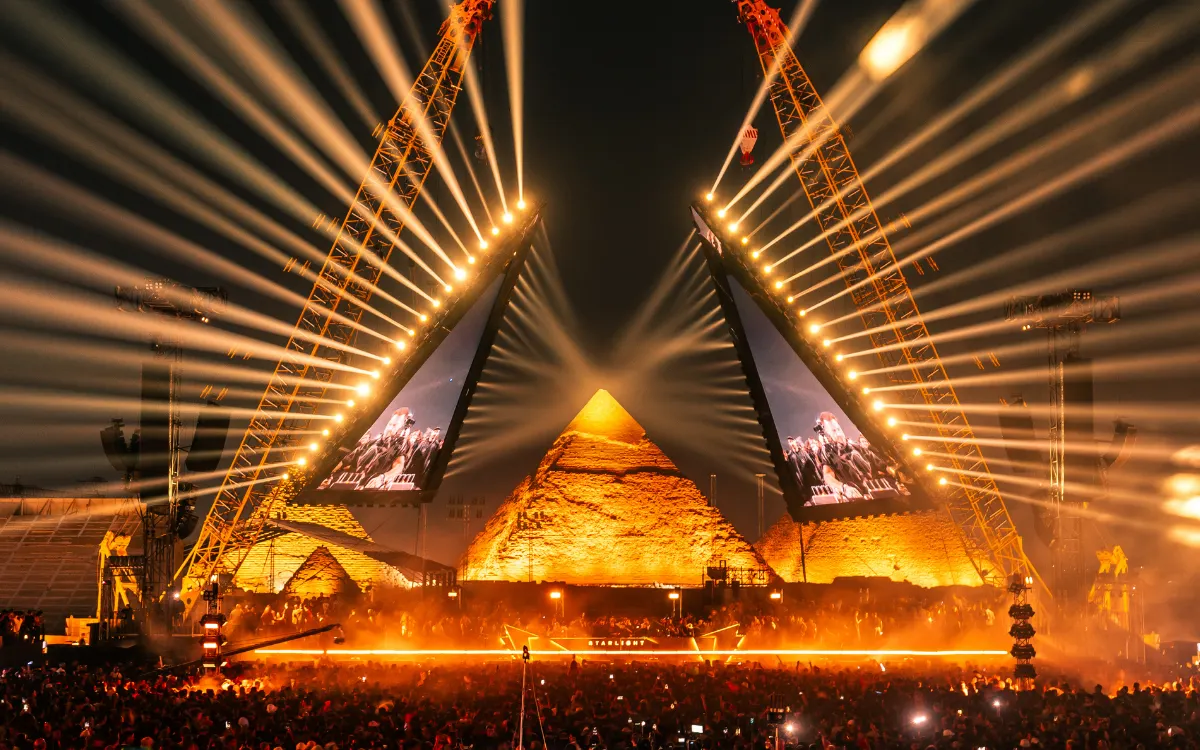


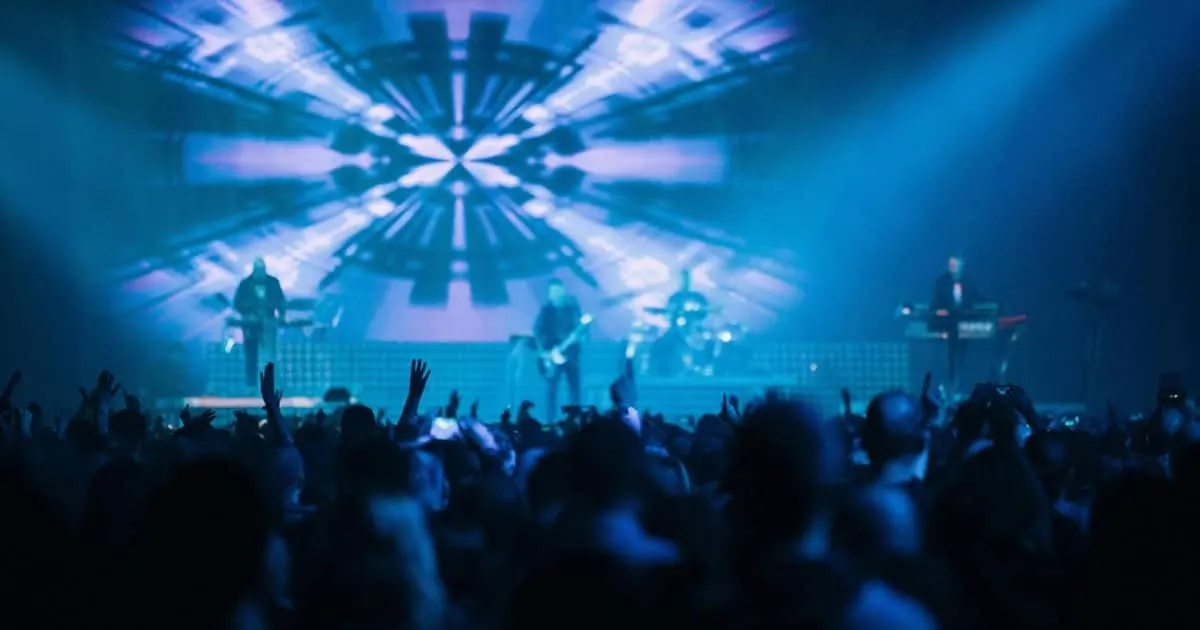
Traveling to concerts from far away areas is nothing new. For decades, music fans have followed their favorite bands on tour, flown out for festivals, and made important pilgrimages to iconic venues. But in recent years, with live music attendance continually rising, a more intentional and global version of that behavior has emerged, and it now has a name: gig-tripping.
Gig-tripping refers to the new trend of planning a trip primarily around attending a live music event, whether that’s a single concert, a tour stop in one or more countries, or a major festival. The destination becomes the performance itself. Instead of asking, “What concerts are happening while I’m there?” travelers increasingly ask, “Where do I need to go to see this show?”
For musicians and music professionals, this trend is more than a fan curiosity — it’s a signal that live music is shaping global travel habits in real, measurable ways.
How Gig-Tripping Is Different From Traditional Music Travel
Traveling for concerts isn’t new, but gig-tripping marks a shift in how and why fans do it. Historically, music-driven travel was often associated with dedicated fan communities following an artist across multiple dates, or with destination festivals like Coachella or Glastonbury.
Gig-tripping, by contrast, is typically selective and experience-driven. Fans may only attend one show, but they’ll travel thousands of miles to do so — often bundling the concert with sightseeing, food culture, or extended vacation time. The concert is the anchor, but the trip becomes a broader cultural experience.
+ Read more: “Bandsintown’s High Notes Reveals the Artists, Genres & Cities That Led Live Music in 2025”
Why Gig-Tripping Is Exploding Right Now
Several overlapping forces have pushed gig-tripping into the mainstream.
1. Live Music Has Reclaimed Cultural Priority
After the multiyear pandemic blackout, audiences have placed renewed value on live experiences. Concerts are communal, social events, and emotional releases for people. They’re no longer just a nice night out. Thus, fans are more willing to invest time and money into a show that feels meaningful, even if it requires international travel.
2. Ticket Access Is Driving Travel Decisions
High-demand tours with limited availability have also accelerated the trend. When tickets sell out instantly or prices skyrocket in major home markets, fans increasingly look elsewhere. In some cases, flying to another country — even factoring in hotels — can be cheaper or more feasible than attending a local date. This has reframed concerts as “borderless events,” where fans shop globally for access rather than staying confined to their home city.
3. Social Media Shrinks the Planet
Social platforms have played a major role in legitimizing gig-tripping. Seeing friends or creators travel internationally for a show — documenting the full journey, not just the performance — reinforces the idea that concerts are worth building trips around. The show becomes content, memory, and social currency all at once, and the world is only getting smaller.
4. Cities Are Leaning Into Event Tourism, Too
Tourism boards and hospitality sectors have noticed. Major concerts now drive spikes in flight searches, hotel bookings, and local spending, prompting cities to actively market themselves around live events. Gig-tripping has become a recognized form of event tourism, blurring the line between music promotion and destination marketing.
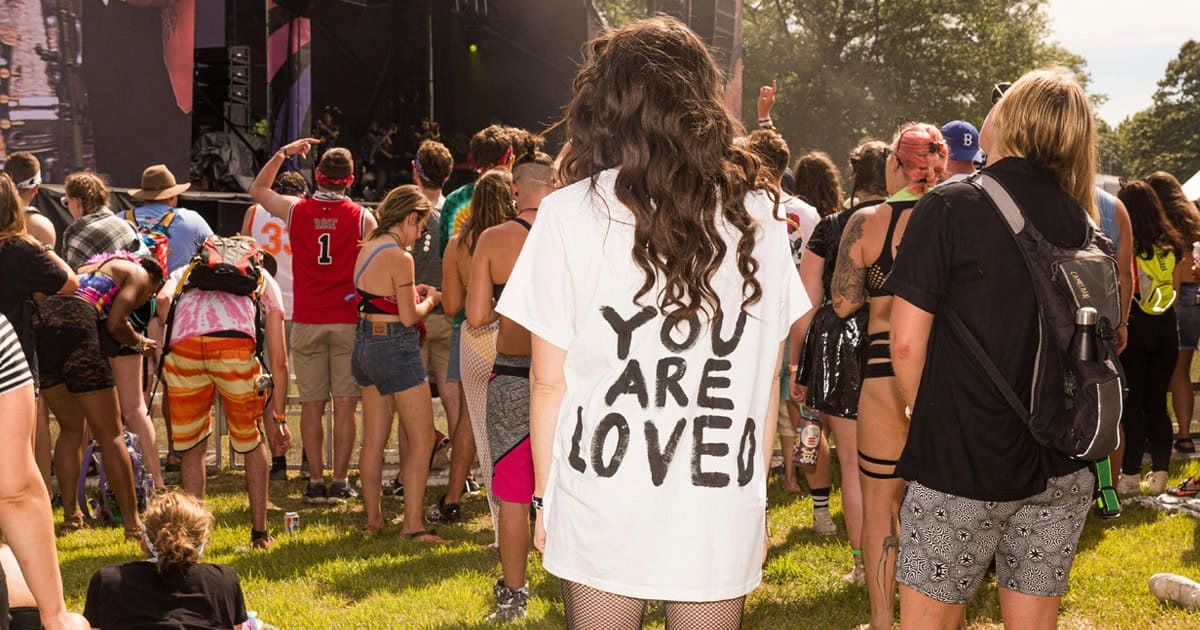
Why Gig-Tripping Matters to Musicians
For artists, especially those touring internationally, gig-tripping has some pretty tangible implications.
1. It Expands the True Size of Your Audience
Gig-tripping reveals that an artist’s audience isn’t limited to local ticket buyers. Fans may be willing to travel across borders to see you, especially in markets where shows feel more intimate, accessible, or culturally significant.
2. It Changes How Fans Value Shows
When fans invest in flights, hotels, and time off work, the concert itself carries greater emotional weight. These audiences often engage more deeply, arrive earlier, spend more on merch, and remember the show as a defining experience — not just a night out. For musicians, this reinforces the importance of making live shows feel distinct and destination-worthy.
3. It Creates New Opportunities for Fan Engagement
Artists can lean into gig-tripping by offering experiences that reward traveling fans: exclusive merch, pop-up events, local collaborations, or city-specific moments that turn a tour stop into something truly unique. Even small gestures — acknowledging traveling fans from the stage or online — can strengthen loyalty and deepen connection.
+ Read more: “What Is Tickets For Good?”
Final Thoughts
At its core, gig-tripping reflects a broader shift in how people value music. Concerts are no longer just stops on a tour calendar; they are cultural destinations. And fans aren’t just attending shows — they’re curating experiences around them. For musicians, this means live performance sits at the center of both artistic connection and economic opportunity.
As gig-tripping continues to grow, artists who understand how their shows function within a global travel ecosystem will be better positioned to meet fans where they are — even if that means halfway around the world.