By Donald Cohen of The Fan Alliance
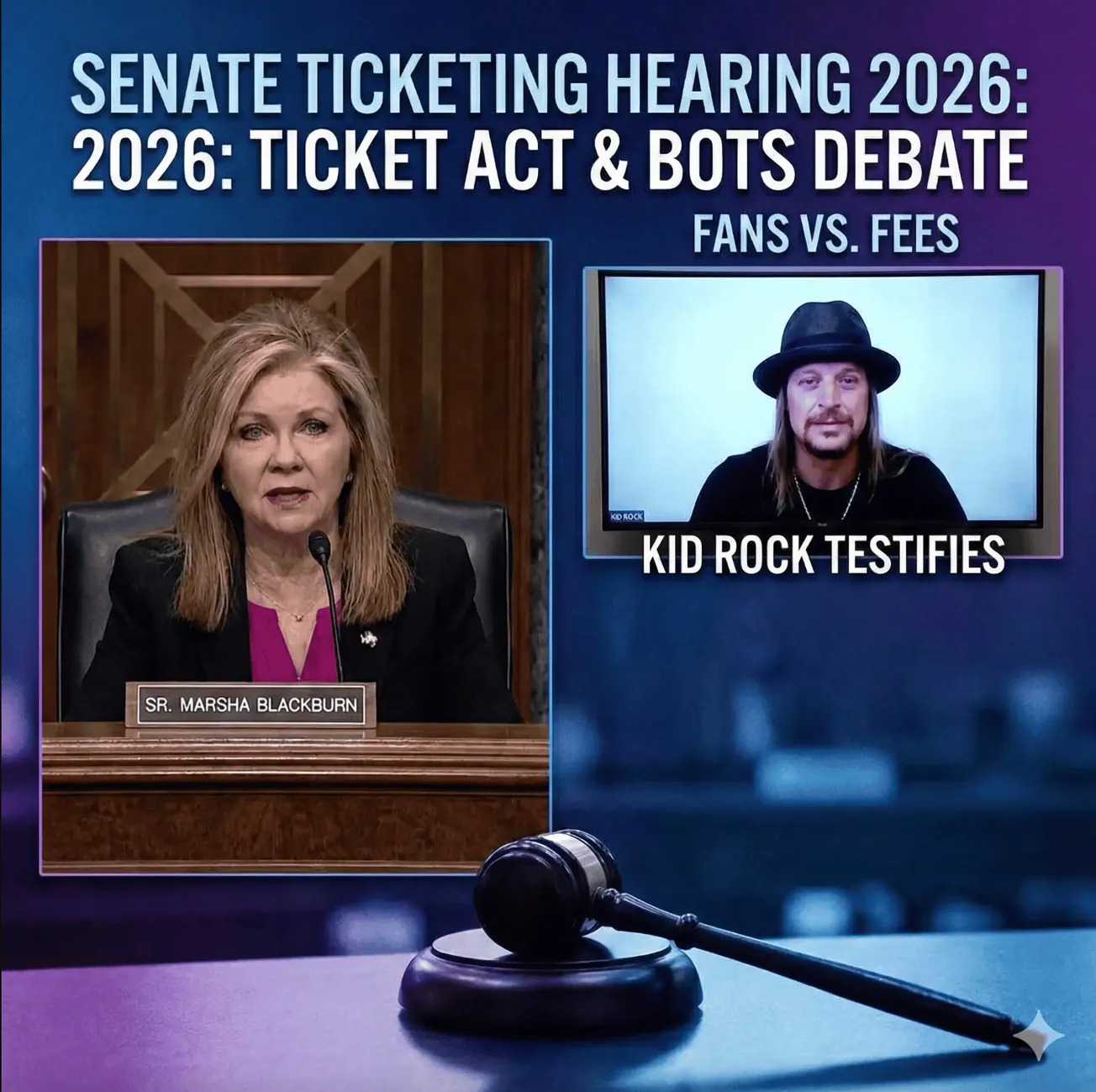
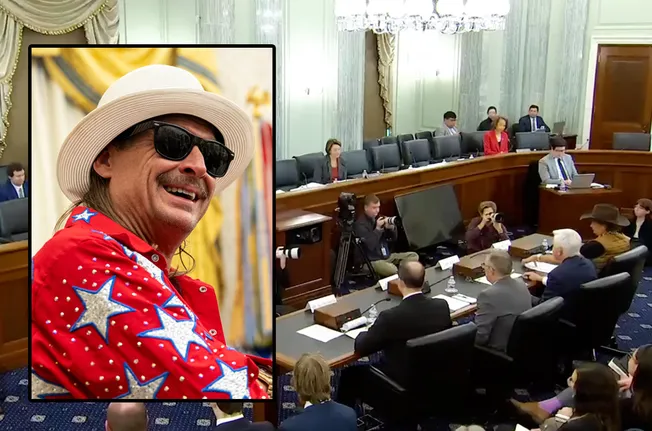
I didn’t have quoting Kid Rock on my bucket list. But testifying at a Congressional hearing recently, he said clearly what many of us are thinking.
“The economic foundation that supported artists in the past is crumbling. Piracy is threatening their livelihood. Secondary ticketing is driving up prices for fans with absolutely no benefit to the artist. Needless to say, that experiment has failed miserably. Independent venues have been crushed. Artists have lost leverage. Fans are paying more than ever and getting blamed for it.”
“The problem is the ticketing lobbyists push these reforms as cover while fighting to keep tickets in an open market and let them exploit fans under the guise of capitalism.”
He's right.
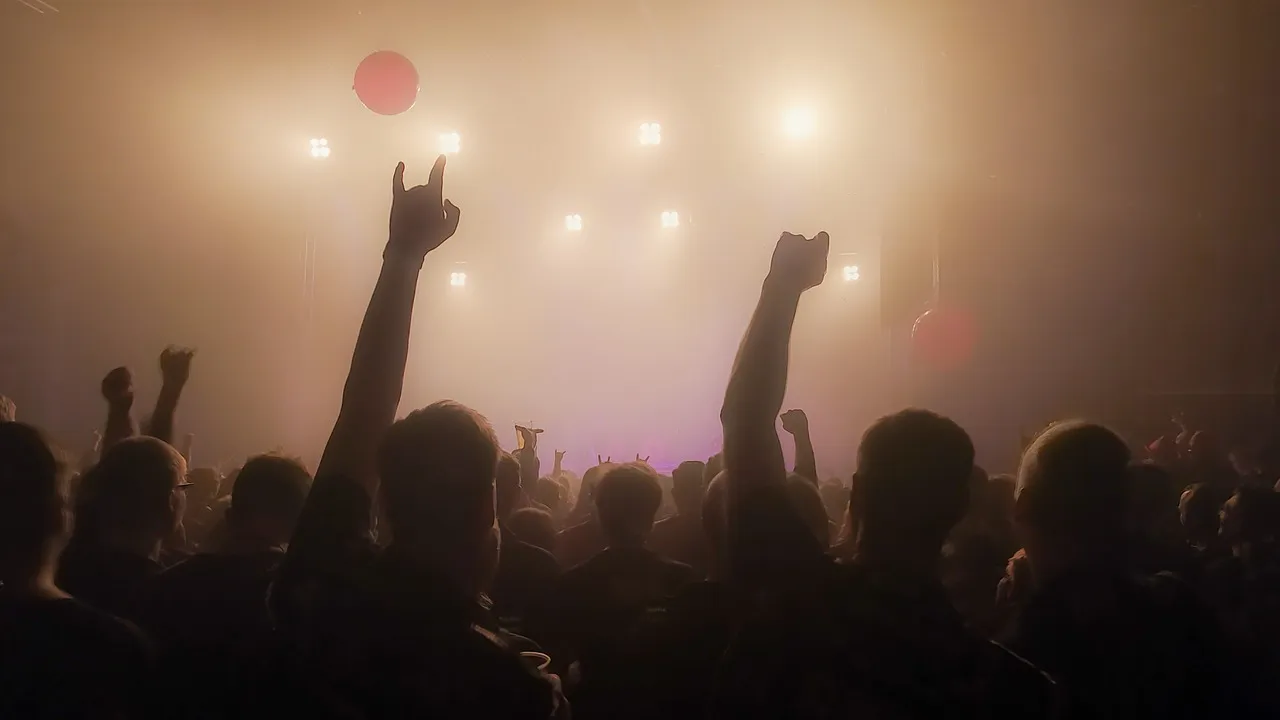
The canaries in the coal mine of a broken music economy are the struggling independent music venues — the smaller, independently owned spaces that serve as the talent pipeline for the live music industry and the broader music ecosystem. Increasing operating costs, reduced post-covid concert outings and high-priced arena shows taking bigger bites out of family entertainment budgets are threatening the sector.
While some artists have launched their careers on TikTok or other online platforms, for the vast majority of musicians, small clubs, theaters, and music halls remain the essential entry point for today’s and tomorrow’s stars. I see some of my favorite artists in these venues
Last week’s Grammy winners weren’t always playing in large theaters, arenas, and stadiums. They got their start in smaller rooms, clubs, and pubs. For example:
- Jelly Roll at Nashville Underground
- Lady Gaga at Rockwood Music Hall in New York
- Billie Eilish at The Hi Hat and Hotel Cafe in Los Angeles
- Kendrick Lamar at venues in Compton, including one behind a tattoo parlor and in a comedy club
- Billy Strings at The Hayloft in Traverse City, Michigan, Horizon Books, and Ore Dock Brewing Co in Marquette
- And, of course, Joni Mitchell at the Gaslight Cafe in Greenwich Village, Club 47 in Cambridge (now Club Passim), and Penny Farthing Folk Club in Toronto
NIVA (National Independent Venue Association) released a national survey last year that found 64% of independent venues weren’t profitable in 2024. Iconic venues have closed their doors and turned off the lights. For example, Rockwood Music Hall, an iconic venue on Manhattan’s Lower East Side, shuttered in 2024. Check out who's played there: Lady Gaga, Childish Gambino, Sara Bareilles, Jon Batiste, Norah Jones, Sting, and many others.
This isn’t just a U.S. phenomenon. The Music Venue Trust in the UK released a comprehensive study of the independent live music sector (they call them “grassroots music venues”). The findings were stark: 30 grassroots venues were lost forever between July 2023 and July 2024, and last year alone saw more than half of those remaining making no profit and over 6,000 jobs lost.
Coldplay’s Chris Martin put it this way:
“It doesn’t bother me that there might not be another Coldplay, but it does bother me that there might not be acts that are free to start on the bottom rung and work all the way up.”
It’s not just about the superstars, he added. “There’s nothing wrong with staying on the first rung [of the ladder]” of playing live — that side of the ecosystem needs to be kept as a viable career too.
This crisis isn’t inevitable. Venue and artist rights organizations are taking steps to create a system that works for artists, venues, and fans. The UK is pursuing an arena ticket levy that would create funds to support the independent (grassroots) sector. In the U.S., there are efforts to develop funds — both public and private — to support venues.
But we need new laws to fix a broken system and prevent some of the profiteering and legalized scalping that is driving up ticket prices and keeping substantial portions of our ticket purchases away from artists and venues.
Fan Alliance is an active member of the Fix the Tix Coalition. We are already digging in to educate and mobilize fans in New York and California, and several other states are getting started. We’re up against powerful corporate resellers like StubHub with big lobbying budgets.
Needless to say, we need a movement of artists, venues and fans to save the music – of today and tomorrow. We’ll be in touch to let you know how you can add your voice.
Sign the Fan Alliance pledge here for free to join the movement to support performing artists and advocate for their rights.
Go see some live music in your favorite local venue!
Fan Alliance is a volunteer grassroots effort created by Donald Cohen, a long time activist with decades of experience in campaigns supporting human rights, a fair economy and democracy. He is the co-founder of the Rainey Day Fund that provides assistance to BIPOC, LGBTQ+, disabled artists, and others who add to the rich fabric of roots music. He has written about the importance of artists in protecting and advancing the common good and how fans can support artists in the age of streaming.