

Lagos has already helped reshape the sound of global popular music. Now, its promoters want the city to become a destination for experiencing that music live.
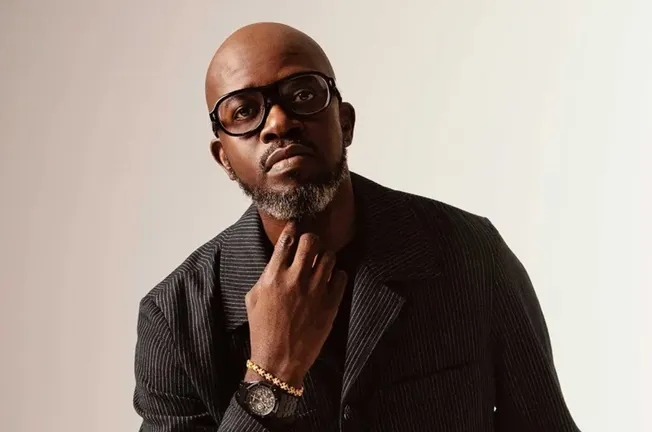
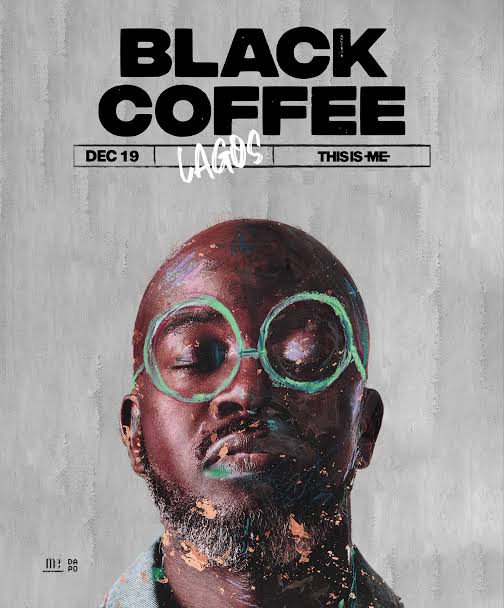
On December 19, a new electronic music festival called This Is Me will take place in the Nigerian city, headlined by Grammy-winning South African DJ Black Coffee (aka Nkosinathi Innocent Maphumulo). The 12-hour event, organized by M:E Entertainment and DAPO, is expected to attract approximately 5,000 attendees, with multiple stages, immersive installations, and a lineup of international and local talent.
But the festival's ambitions extend beyond the major booking. Its organizers believe Lagos now has the technical expertise, production resources, and audience necessary to compete with established international electronic music destinations. According to IQ Magazine, improvements in Nigeria's live production industry mean that more world-class equipment and expertise are available locally, reducing the need to import them for major events.
The scene has already been established.
Lagos hardly needs an introduction as a musical powerhouse. Afrobeats has become a global phenomenon, with Nigerian artists regularly appearing on international festival bills and headlining major venues abroad.
But beyond its most commercially visible exports, the city has also cultivated a growing electronic music community. From Afrohouse and Amapiano to underground dance parties and experimental DJ collectives, Lagos nightlife has developed into a diverse ecosystem of promoters, performers, and audiences.
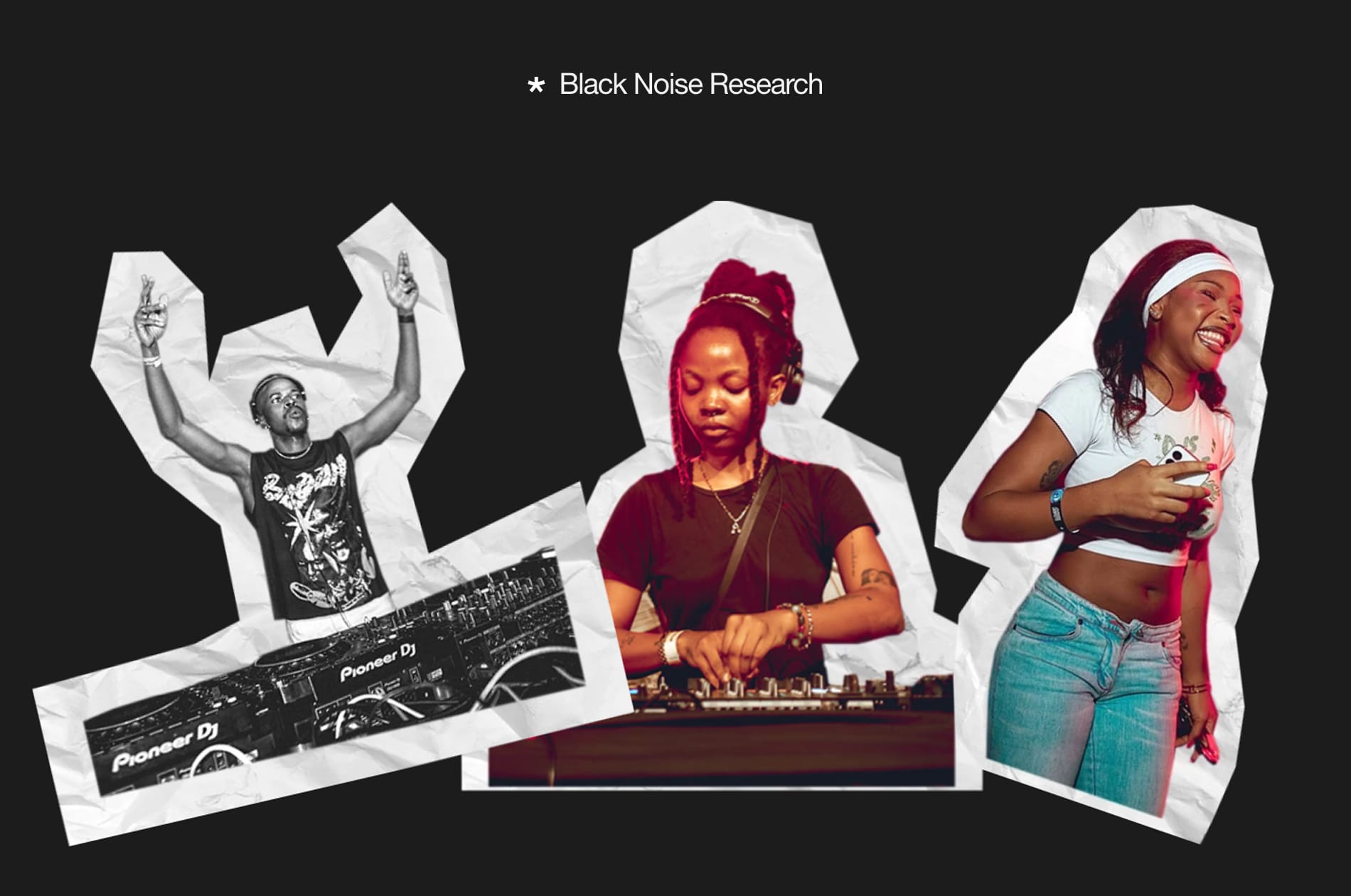
A 2026 Black Noise Research report identified 199 electronic music events across seven Nigerian cities during the first six months of the year, documenting a scene considerably larger than its most internationally recognizable names. In Lagos, events such as Element House and Group Therapy have helped create spaces for electronic music outside the city's traditional nightclub model.
The new festival builds on that momentum. M:E Entertainment previously hosted Keinemusik's Rampa in 2025, demonstrating the growing demand for international electronic acts. This Is Me is being presented as the promoters' most ambitious production yet.
+Read more: "Osagie Osarenkhoe on How to Build Support Structures in African Music"
Building to match the ambition
Because Lagos can now attract famous DJs, its live entertainment industry is developing the capacity to produce increasingly ambitious shows on its own terms. International-scale festivals require considerably more than talent and an enthusiastic audience. They depend on sound systems, lighting, staging, trained technicians, logistics networks, and experienced production companies. When those resources must be imported, costs rise, and local opportunities can be limited.
And the more that foreign organizers and supply chains are relied upon, the less economic impact an event will have on the local economy and talent pool. Developing a reliable domestic production industry could change that equation, allowing Nigerian promoters to retain more spending locally while creating opportunities for technical crews, suppliers, and independent event businesses.
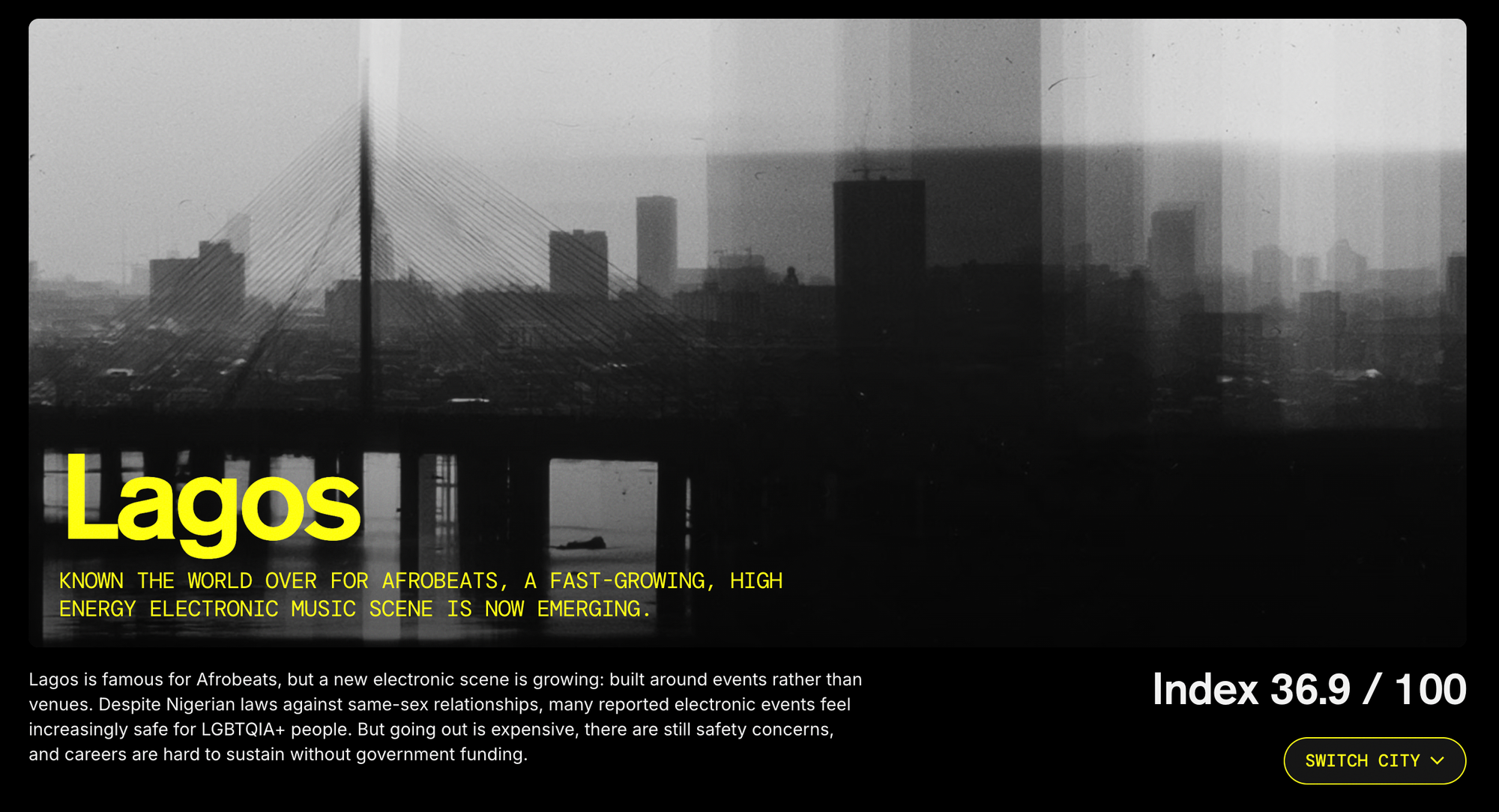
There are still challenges. Lagos's electronic music economy faces questions around affordability, transportation, and the sustainability of its grassroots venues. A Nighttime Culture Index assessment highlights both the city's growing creative ecosystem and the obstacles facing audiences and nightlife operators.
But the December festival represents another attempt to translate cultural momentum into a more substantial live entertainment industry.
+Read more: "Tyla’s Fans Are Learning Her Show Before It Even Starts"
From exporting music to hosting the world
The international music industry often measures emerging markets by the artists and recordings they export. But a thriving local live economy also needs venues, promoters, technicians, suppliers, and the marketing pipelines that allows audiences to experience music close to home.
Those businesses create employment and opportunities that extend far beyond the performers onstage. Lagos has already demonstrated its ability to influence the world's musical tastes. Now, its promoters are working to ensure the city can capture more of the economic activity surrounding those sounds.