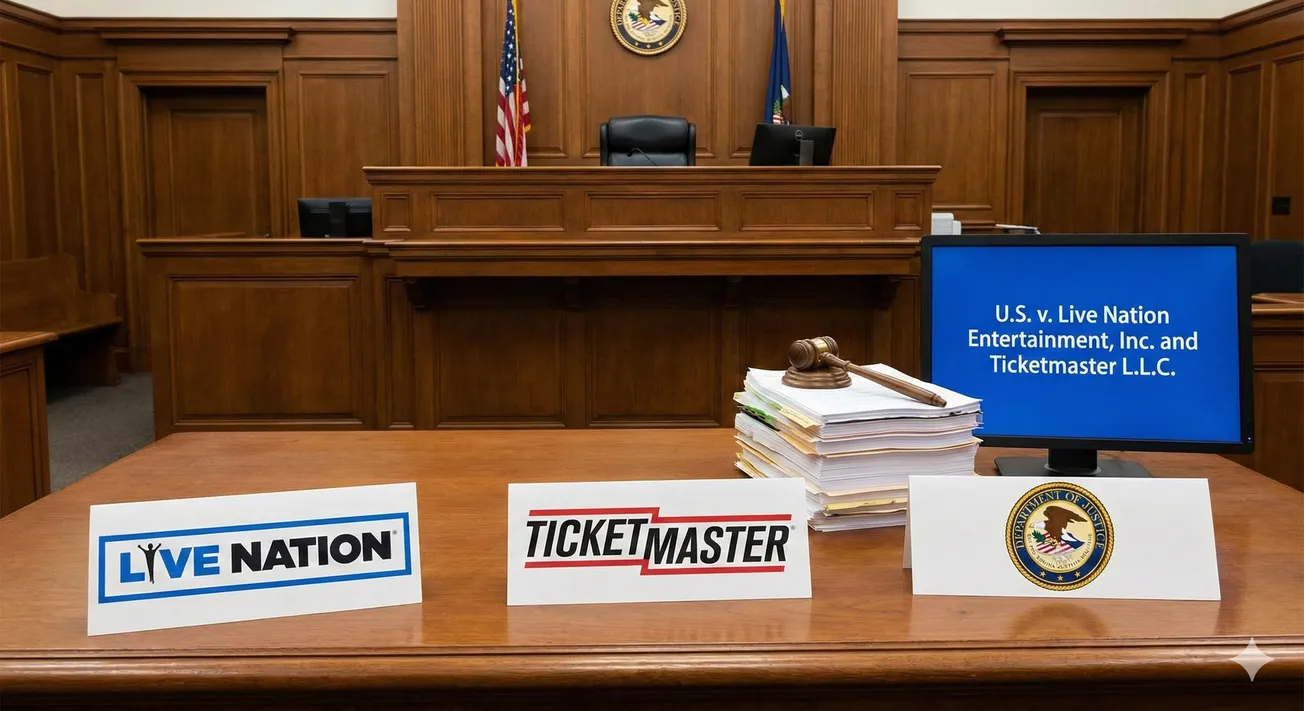


The high-stakes antitrust battle that threatened to dismantle the world’s largest live entertainment entity has reached a dramatic conclusion. According to multiple sources, Live Nation Entertainment and the U.S. Department of Justice (DOJ) have reached a settlement agreement just one week into their federal trial in Manhattan.
UPDATES: According to reports from inside the courtroom Monday, Florida, Louisiana and Indiana are among states expressing concerns with the settlement. California and the District of Columbia say they will continue to litigate the case. New York has previously said it will continue, as well.
The settlement was apparently signed by Live Nation CEO Michael Rapino on March 5. Questioning why the trial still went ahead last week, the judge has called for Rapino to appear before him at 8:30 AM on Tuesday March 10th.
While the states that want to continue the litigation are asking for time to prepare, the Judge seems inclined to continue the trial next Monday March 16th.
Stay tuned for more developments.
While the "breakup" some critics called for is off the table, the settlement introduces significant structural shifts that will ripple across the live music industry.
A Justice Department official told the WSJ that the settlement will provide relief to consumers and competing businesses faster than going through a lengthy trial.
Key Terms of the Settlement
The deal, expected to be formally announced later today, centers on increasing competition and curbing Live Nation’s alleged monopolistic grip on the market.
Key highlights according to multiple sources include:
- No Divestiture of Ticketmaster: In a major win for Live Nation, the company will retain its subsidiary, Ticketmaster, avoiding the forced "breakup" that was a central goal of the original 2024 lawsuit.
- $200 Million in Damages: Live Nation will pay $280 million to settle claims with the participating states.
- Open Ticketing Platform: Ticketmaster will be required to open parts of its technology to rival ticketing companies, allowing third-party sellers to list tickets directly through the platform.
- Ending Exclusivity: New limits will be placed on the long-term, exclusive contracts Ticketmaster uses to lock venues into its ecosystem. Contracts will be limited to 4 years and allow venues to allocate a portion of their tickets to competing platforms.
- Venue Divestiture: The agreement reportedly requires Live Nation to divest more than 10 amphitheaters and includes a cap on service fees at its remaining outdoor venues.
Some States Have Not Agreed To Settle
So far about 10 states of the 39 states involved in the lawsuit have agreed to the the settlement, a source told the WSJ.
Some others state attorneys general are unlikely to settle and will continue to litigate. New York Attorney General Letitia James said last month that she would continue the case “regardless of the path that the Department of Justice takes.” A Justice Department reportedly told the paper that the deal will provide relief to consumers and others faster than going through trial.
Why It Matters for the Industry
For years, the "flywheel" model - where Live Nation controls the artist, the promoter, the venue, and the ticketing - has been under fire. While this settlement doesn't dismantle the wheel, it significantly greases the gears for competitors.
By forcing Ticketmaster to open its tech and limiting exclusivity, the DOJ is betting that interoperability will do what a forced sale couldn't: lower the barriers to entry for smaller ticketing firms and, eventually, lower fees for fans.
“This will revolutionize the ticketing marketplace,” a source told Politico. “These are innovative technological solutions to a very difficult problem with prying open the marketplace.”
Hypebot's Bottom Line
The settlement brings an end to a period of intense legal uncertainty that has loomed over Live Nation’s stock price and long-term strategy. With the trial effectively paused for participating states, Live Nation can now refocus on its record-breaking 2026 tour season, albeit under the watchful eye of federal monitors.
But the industry remains skeptical. Whether these "structural changes" actually mean better access for independent promoters remains to be seen. They will almost certainly not lower ticket prices, at least in the short term.
Hypebot will analyze the full text of the agreement once it is officially filed.