

By Randi Zimmerman of Symphonic
Many independent artists assume that uploading a video to YouTube is the same thing as distributing it. In reality, these are two very different approaches, and they lead to very different outcomes when it comes to reach, monetization, and how your video fits into your overall release strategy.
Just like your music gets delivered to Spotify, Apple Music, and other platforms through distribution, your videos can be delivered across a wider network, too.
The difference is that video distribution isn’t always as widely understood, so a lot of artists end up treating their music videos as just another piece of content rather than a part of their release rollout… 🫣
Not to worry! In this guide, we’re breaking down how music video distribution actually works, where your videos can live beyond YouTube, how monetization is handled, and when it makes sense to use a distributor instead of uploading on your own.
Here’s everything you need to know…
How Music Video Distribution Gets Your Videos Seen and Monetized
What Is Music Video Distribution?
Many independent artists don’t fully understand how music video distribution works. You upload a track through a distributor, and it gets delivered to platforms like Spotify, Apple Music, and more.
Music video distribution works in a similar way, but instead of audio, you’re delivering video across multiple platforms at once. (Shocker!)
But rather than uploading your video to a single platform and managing it there, distribution allows your video to be delivered through a network and connected to your release. That means your video isn’t just living on your YouTube channel; it can also appear across other platforms where people are consuming music.
This includes platforms like:
- Vevo (on YouTube)
- Apple Music
- TIDAL
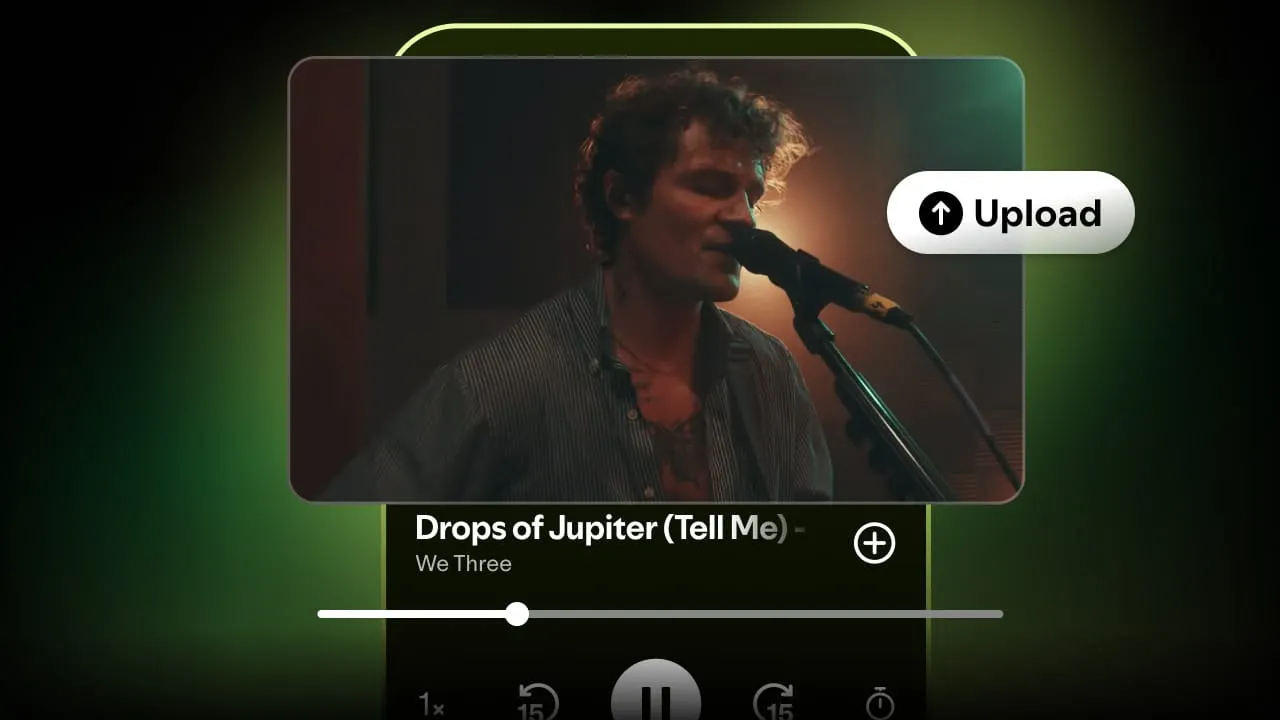
- Spotify (where available)
- XITE and other video platforms
This is where the distinction becomes particularly important.
Uploading directly to YouTube is essentially just posting content. You upload your video to your YouTube channel, add your title, description, thumbnail, and hit publish. From there, everything lives on your channel and is managed entirely by you.
Now, this does come with a lot of flexibility. You can post whenever you want, update metadata at any time, and experiment with different formats, whether that’s official videos, visualizers, behind-the-scenes content, or short-form clips. And there’s no approval process or delivery timeline to worry about.
On the other hand, everything also stays within that ecosystem, meaning your video lives entirely within your own channel setup.
Distribution treats your video differently. It becomes positioned as part of your release, delivered through a structured system, and tied to your catalog across platforms.
This affects how your video is:
- Discovered across different services
- Monetized beyond just YouTube ads
- Connected to your artist profile and release ecosystem
That said, it’s not about choosing one over the other here. It’s about understanding what role each one plays.
Uploading directly to YouTube plays its role, but it’s not the full picture. Distribution is where you can go even further.
Where Your Music Video Actually Goes
In most cases, you’re not manually picking and choosing platforms one by one. The distributor will typically deliver your video across all supported platforms at once, so the decision isn’t about selecting individual destinations. It’s just about choosing the right distributor.
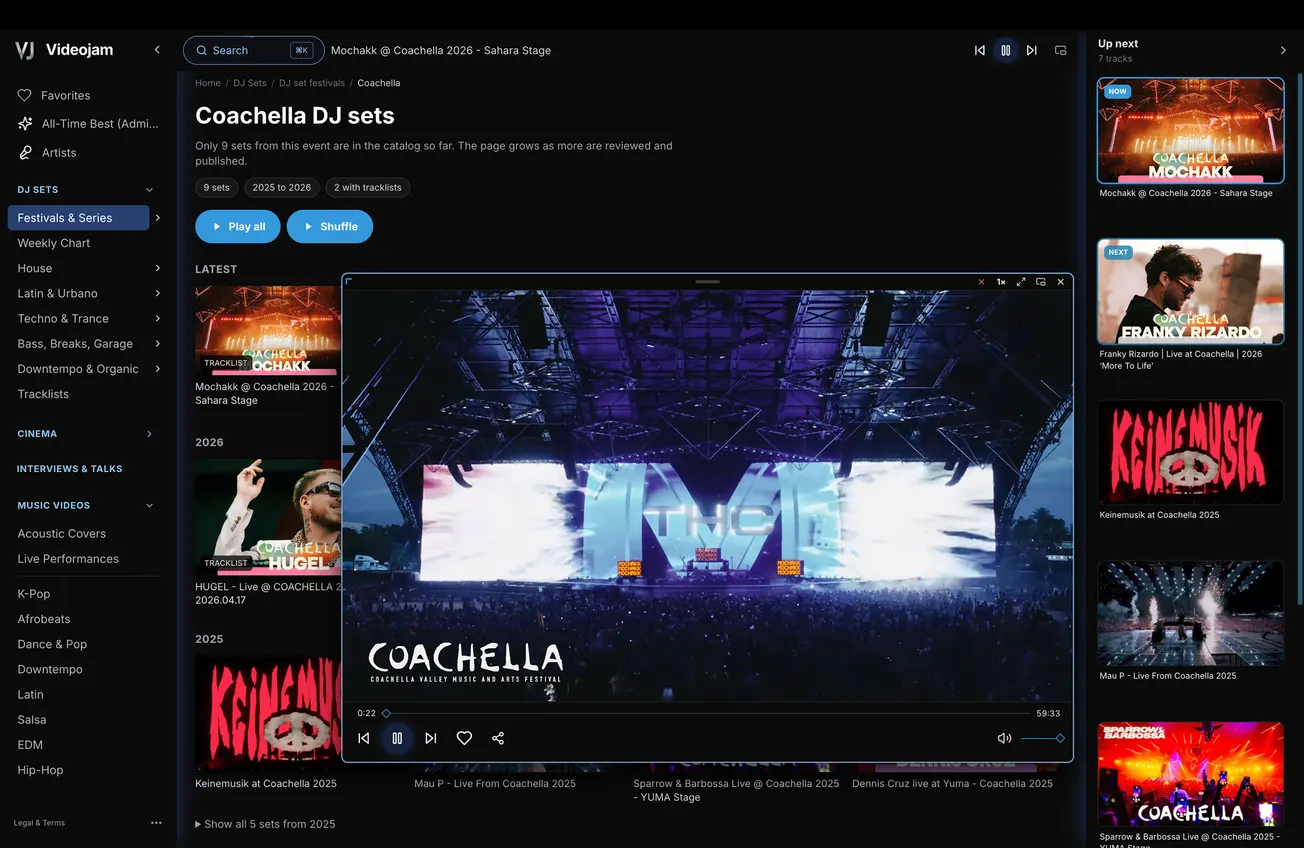
With Symphonic, for example, we deliver music videos to platforms like Vevo (on YouTube), Apple Music, TIDAL, Spotify (where available), XITE, and other video services. So instead of managing separate uploads across multiple platforms, your video is delivered through one process and connected to your release across that network.
From there, each platform plays a slightly different role. For example:
- Vevo helps position your video as an official release within YouTube’s ecosystem, rather than just a standard upload on your channel.
- Apple Music and TIDAL place your video directly alongside your audio catalog, so listeners can move between streaming your music and watching your video without leaving the platform.
- Platforms like XITE and other connected TV apps bring your video into more passive, lean-back environments, where viewers are discovering music through curated channels and playlists.
And this is the beauty of video distribution! Instead of relying on one platform to do everything, your video is working across multiple environments at the same time.
+Read more: "Pre-Launch Strategies for successful Music Video Releases"
How Video Monetization Works
When it comes to monetization, this works a little differently.
When you upload directly to your own YouTube channel, revenue typically comes from ads, and only if you’re part of the YouTube Partner Program. If you’re not enrolled, your ability to monetize is limited, even if your video is getting views.
With distribution, monetization is handled at the platform level instead of being tied solely to your channel. That means your video can generate revenue across multiple platforms, including:
- Ad revenue from YouTube (through Vevo delivery)
- Streaming revenue from platforms like Apple Music and TIDAL
- Revenue from connected TV and video apps like XITE
Another important piece is YouTube’s Content ID system.
When you distribute your video through Symphonic, your audio can be registered in YouTube’s Content ID system as part of your delivery. This allows YouTube to automatically detect when your music is used in other videos across the platform.
That means if your song is used in user-generated content, that usage can be identified, tracked, and monetized through your distribution, with that revenue collected and reported back to you through your Symphonic account.
Instead of relying on a single upload, distribution allows your video and audio to generate revenue across multiple platforms and use cases at the same time.
How Your Video Continues to Reach New Audiences
When your video is distributed, it isn’t tied to a single moment or a single platform. It exists across multiple environments at once, which gives it more than one chance to be discovered.
But why is this so beneficial, really? Because someone might come across your video on YouTube through Vevo, another listener might find it while browsing your catalog on Apple Music, and someone else might see it through a curated video channel on a connected TV app. None of those moments depend on your initial upload performing well on its own.
That’s where the long-term value starts to build. Instead of relying on one spike in views, your video can continue reaching new audiences as it surfaces in different places.
This is what makes distribution more than just a delivery method. It turns your video into something that can keep working in the background, reaching new listeners and viewers beyond your immediate audience.
Ready To Distribute Your Video? Here’s How…
Distributing a music video isn’t something you can do directly on your own. Platforms like Apple Music, TIDAL, and Vevo require delivery through an approved distributor, and with Symphonic, that process happens right inside your SymphonicMS account.
To get started, click here. Next, follow these steps:
- Click “Upload Video” in your account.
- Fill out the video application with all your relevant metadata.
- Pay the delivery fee of $95 for all video platforms or $25 for VEVO Only Delivery or $25 for Spotify Only Delivery.
- That’s it!
Once that’s done, your video enters the approval stage.
This is where things differ from a typical YouTube upload. Before your video is delivered, it goes through a review process to make sure it meets platform requirements, both technically and from a content standpoint.
- During this stage, your video is checked for proper format, resolution, and audio quality.
- In addition, it must follow content guidelines (no URLs, logos, or restricted content).
If anything needs to be adjusted, don’t worry! You’ll get feedback so you can make updates. The goal is to get the video approved and ready for delivery.
Once approved, you’ll receive a confirmation email, and your video will appear in your approved releases inside your Symphonic account.
From there, it moves into delivery. Symphonic then sends your video to the platforms you selected.
📌 PRO TIP: Videos must be submitted with a go-live date at least 3 weeks in advance. This allows time for processing, delivery, and platform ingestion. This also gives our marketing team the necessary time to pitch it for a feature placement.
As your release date approaches, you’ll receive a final email with your links, and your video will go live across the selected platforms.
That’s it! Now, you’ve got a network pushing your video to audiences across platforms, far beyond just your YouTube channel alone.
Final Thoughts…
So many artists stop at YouTube and assume that’s all there is to it. But once you understand how distribution works, it’s undeniable that your video can do more than just sit on your channel and collect views.
It can be a part of your catalog. It can generate revenue in multiple places. It can keep reaching new audiences long after release day.
If it’s treated like a one-time upload, that’s all it will ever be. But when it’s distributed and tied to your release properly, it becomes something that continues working in the background, all while you’re focused on what comes next.