______________________________
Guest post by Leticia Trandafir on LandrCreative forces in music don’t always originate in the cool neighborhoods of hip capital cities. In fact there’s something more admirable about the opposite—artists and scenes popping up in unexpected places.Meet Julian Jaschke, Lucien Sargant and Helge Ebinger who started Mutualism, a collective of artists and musicians from northern UK.Chatting with them, I am reminded of young Richard D. James and Luke Vibert talking to John Peel in 1994 on the TV show Sounds of the Suburbs. I hear the same challenges: how do you make-do with small town limitations, when you’ve got big musical ambitions?This upcoming March 18, Mutualism is taking over Bates Mill, a turn of the century spinning mill run by the third generation of woolen yarn makers. The Bates family is proud to be from Huddersfield, a 50 minute drive from Manchester UK. They’re even more proud to lend their mill to artists and musicians from the community.Mutualism’s event at Bates Mills, called Scope Plus, is a series of music shows, workshops and exhibitions. Respected grime act Visionist from PAN Recordsand Italian avant-garde composer Giuseppe Ielasi are headlining the event, playing alongside Leeds-based acts such a LOFT, BFTT, Clerk 37 & Zealey and several artists from Permahigh records.In the spirit of Mutualism’s dedication to shared sound and as as extension of Scope Plus, they’ve shared:- A Wavy sample pack with sounds recorded at the Bates Mill—machinery and all
- A LANDR–mastered guest mix
What is Mutualism and what is your mission and vision?
Julian: Mutualism is a counter measurement to what a label is supposed to be—Artists with the need to manifest who they are in the present. I’m confident in saying everyone around me has the potential to release music that is timeless and really really good. Mutualism is a platform from musicians for musicians to help each other get where we aim to go, while making sure we know where we evolved from in that process.We’re past sending out demos, I strongly believe that especially today, it’s really important to own your music and own yourself. We struggle working with “middlemen” and respect artists who we can talk to directly, when it comes to bookings and what not. We are almost like a support group, I feel way more confident about my music after getting feedback from people I can relate to and whose taste I respect. Lucien: Mutualism is a group of really talented musicians and friends who are just trying to do something different, which is really cliché, but is also really real. When you live in a small town and no one is really listening to the same music as you, or has a similar attitude towards music as you—it can get lonely. Mutualism is a place for us to experiment and collaborate as artists, to Julian it’s a platform for his music and graphic design, for me I’ll be putting music out soon. I wanna mess about with clothes at some point too, it makes sense to have your own platform.
How did Mutualism start?
Lucien: Mutualism started when we first visited Bates Mill to go to Darkstar’s album launch. I met Julian once before and we just started talking and were getting really excited, joking about all the things we could do in the venue, all the people we could have playing and how sick it would be to do stuff in such an amazing space. The next day Julian called me and said ‘Yo, so let’s meetup and talk about this.’ I didn’t realise he was THAT serious to be honest. I was down—we met up and started talking about organising our first event.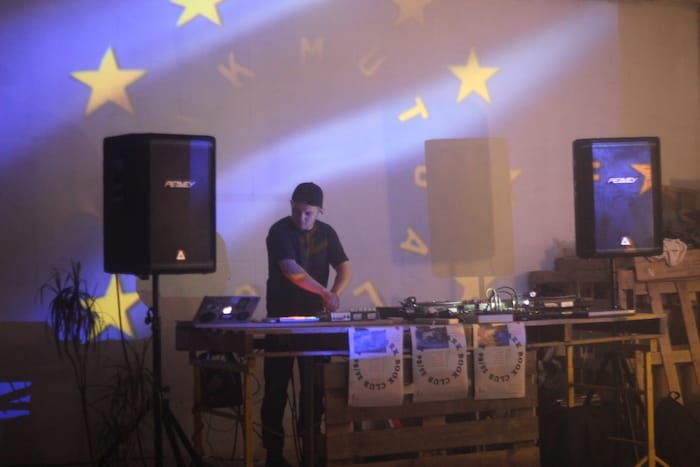
Tell us about your upcoming event Scope Plus. What is the story of the location you are using, Bates Mill? Who is playing?
Julian: Scope Plus is an event-idea that we’ve been working on for exactly a year now. We started to write an application for funding. We had to put into words what we envisioned and it helped us to understand what we want. We wanted the first event of the series to explore electronic music in its full spectrum as far as our resources allowed us.
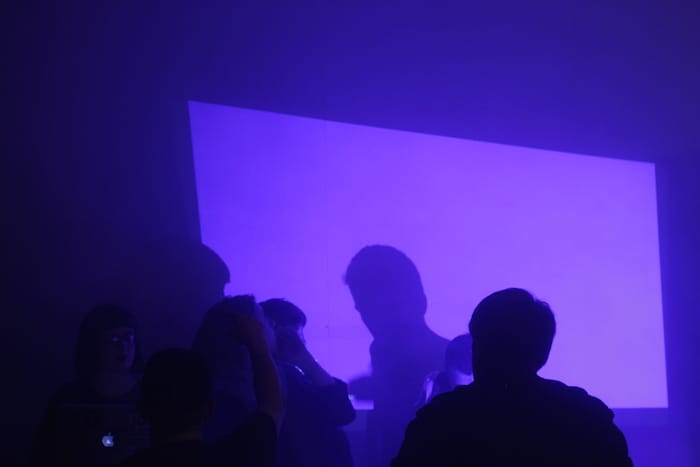
What are some of the challenges of putting together an independent event in a location that isn’t a big urban center?
Lucien: There was never a massive audience for what we were doing in Huddersfield, which made it even more special when we packed out our shows, so we knew what the challenges were from the start. The biggest challenge is convincing people to leave the comfort of their cities and come to a place that isn’t specially known for hosting events like this. That’s where the venue comes in, we hope it’s exciting and impressive enough to get people’s curiosity piqued.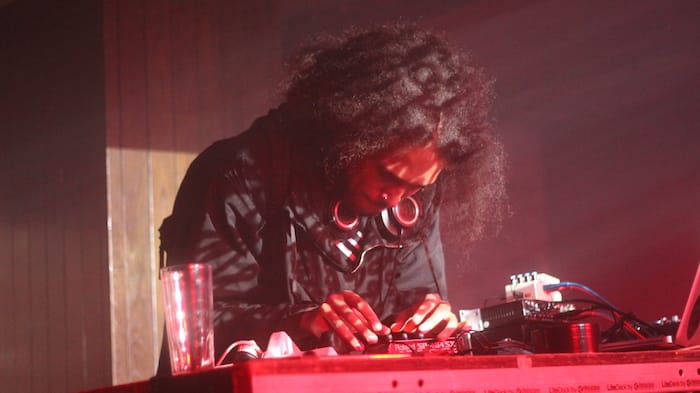
How did you first get into music and promotion?
Julian: I always loved music, I can’t even recall when I consciously thought to myself that it was more than just casual listening. I just recall my uncle sneaking a techno-single into a selection of CDs he gave me when I was younger. He also introduced me to early hip-hop. It’s tougher to explain how I got into promoting. Growing up in a way tinier place than Huddersfield, there has never been the right environment for me to do what I do in. It’s similar to our situation in Huddersfield, we didn’t have the right environment, so we created it. It was out of necessity, rather than out of being heavily into organizing events, until we found it was fun.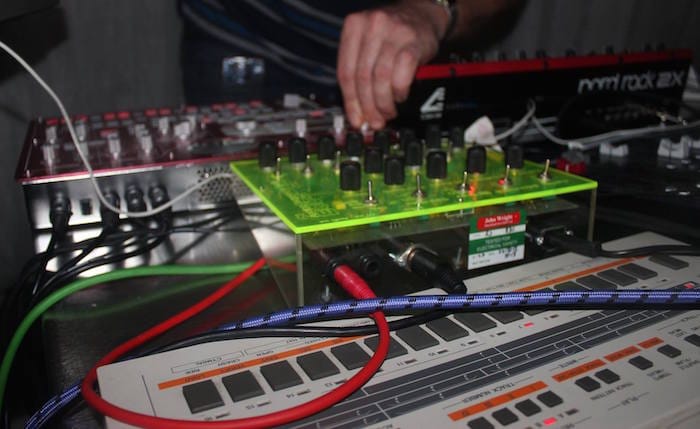
Can you tell us more about the process behind how you made the sample pack for us?
Lucien: We recorded the Wavy sample pack during a tour of Bates Mill. We got taken around the textile factory with field recorders and cameras in tow and were given the full run down of how it all works. I just ran around the place getting excited and taking pictures to be honest, Helge was the mastermind behind capturing the samples. We just wanted to capture the living, breathing nature of the mill, the sounds that the machines make day in, day out and the personality they hold.Helge: The spaces of the textile factory have a very impressive auditive character we tried to capture as good as possible. Walking through the factory gives you a strong acoustic experience. The sound in there is like a wall, extremely loud and tense but the old wooden floors and the fluffy materials that the machines process, gives the noise a very soft and damped colour.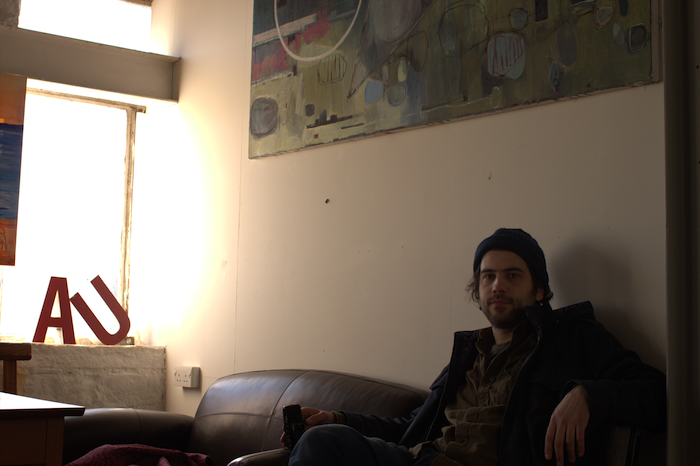
How did you discover LANDR and how do you use it?
Julian: The first time I heard about LANDR was through a friend who used it and said it was surprisingly good. I must say it’s a service that most musicians around me were really suspicious of, since it steered away from that image of a guy sitting in a room full of gear dedicating hours of work to make your music sound amazing. Helge and I started to use LANDR to reference our tracks with. We put a lot of time into mixing our music, so we almost tend to go really easy on mastering, with LANDR we can level match the outcome with our mix and get inspired. Helge’s track was lacking a boost around 5k for example, he only noticed it comparing it to the LANDR results. I think it’s vital to explore what algorithms can do, specially in areas where people expect you to have the gift of gab, 20 years of experience and a room with half a million worth of equipment.What are your dreams and goals for Mutualism for the coming years?
Lucien: I want to build a platform for all of the amazing music and art my friends are making, the scene is really strong in the north and I wanna celebrate that. I want to put on more good parties, parties that inspire people, parties that excite people, and parties that surprise people. I’d also love to tour with Mutualism one day, make noises in other parts of the world, seeing new things and meeting new people has been one of the most valuable parts of this journey so far, I want to keep doing that.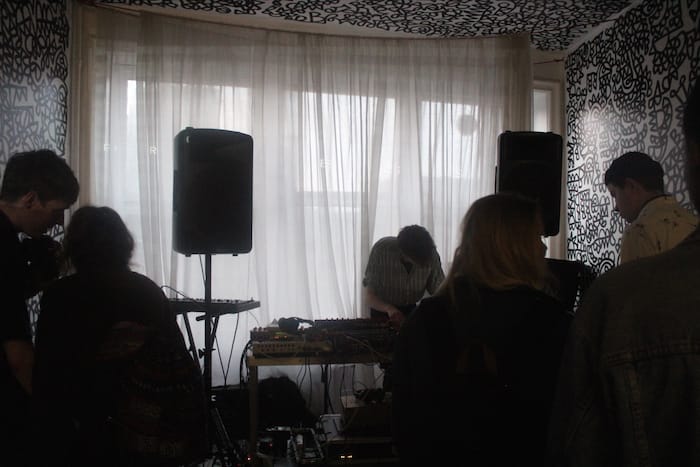
Related articles