

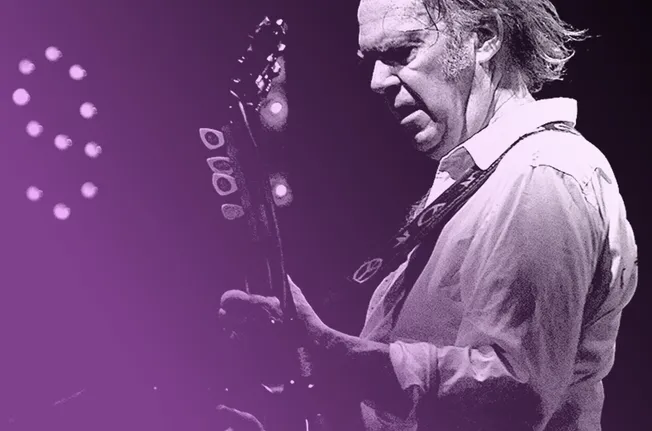
Neil Young removed his music from Spotify in 2022 in protest of the platform hosting Joe Rogan’s show, which he felt was trafficking in disinformation. It was a big deal at the time; perhaps you remember it.
Do you also remember that he came back to Spotify, then left it again, and is now back on Spotify for a third time? (Relatedly, Young's full catalog has recently been appraised at a $150 million valuation.)
I'm kind of obsessed with this story, and I want to share with you why.
What’s the Point?
I'm not here to make fun of Young’s exits and returns like they’re a revolving door. What the comings and goings illustrate, to me at least, is that Young's actions reflect the challenge that almost all modern artists face, which is an impossible balancing act of having to juggle personal values and stances with economic realities and fan expectations.
One could say that in 2026, it’s a little more complex than Young's bold stances were 40 years ago, lambasting corporate musical sellouts. Take this song:
If a high-profile artist like Young is having trouble deciding on the right path, at least having second thoughts about morality versus making a living, what hope do indie artists such as yourself have? Especially when the headlines don't roll in when you take a stance.
+Read more: "The Top 10 Live Music Controversies of 2025"
The Triangle of Motivating Factors
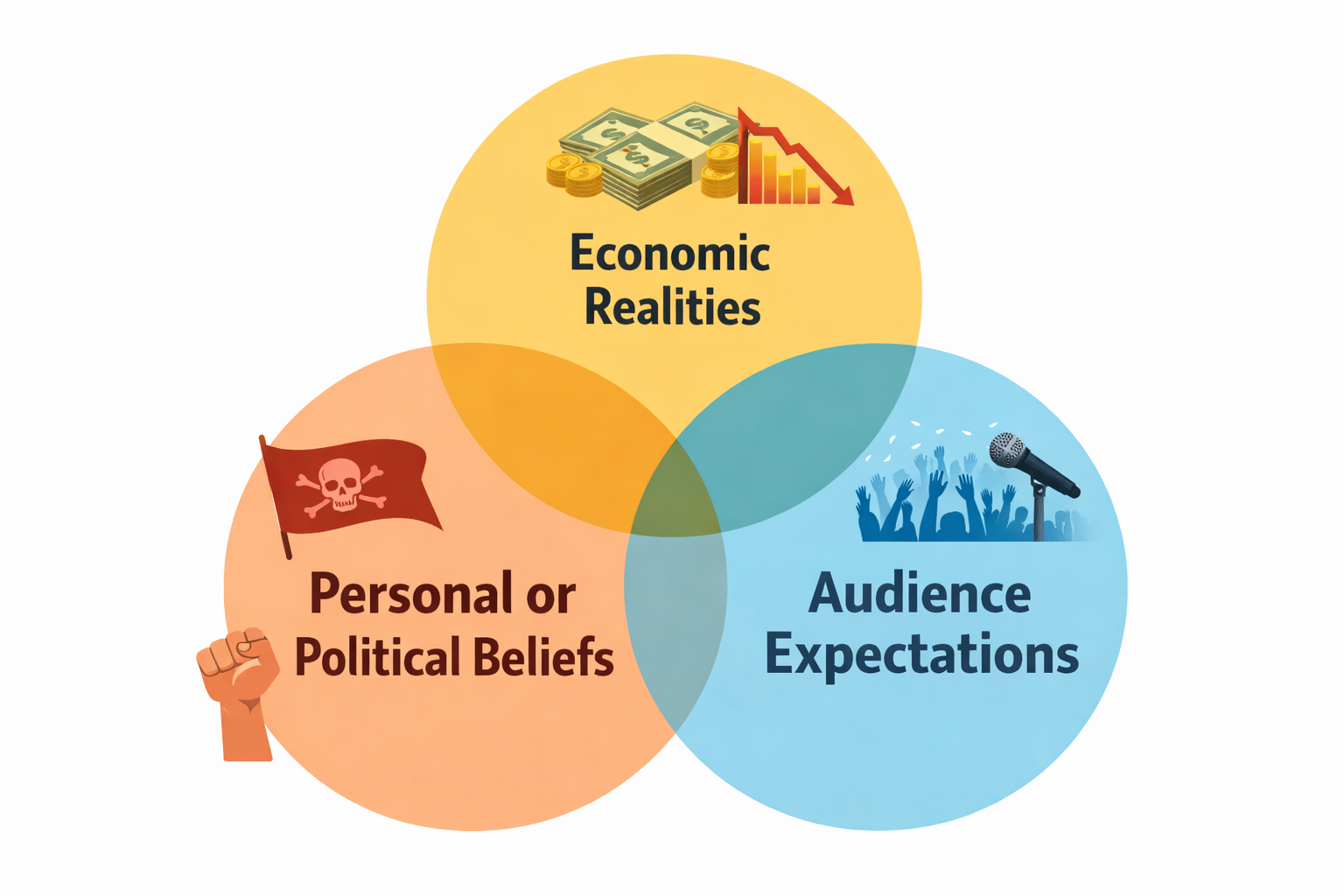
Let's dive deeper into these three buckets.
1) Personal Beliefs
Artists are expected to act on their values or, at the very least, have a well-defined value system. And social media pushes any little action or statement into part of an artist’s public brand. The difference between major artists and real DIY acts is that if the local neighborhood singer-songwriter “boycotts” Spotify, we all roll our eyes about their self-importance, whereas if a Rock n' Roll Hall of Famer does it, it becomes a major discussion topic.
2) Economic Realities
Every artist needs money, whether they depend on it or despite it is a separate conversation. Indie artists, especially true DIYers, aren’t making that much money in the first place. So, if they pull their music from Spotify, they’re not losing much income, which, ironically, they really need.
Instead, the boldness of a tough career choice out of principle doesn’t cost them cash; instead, it deprives them of a very-much-needed discovery platform to get their career going. For superstars with entire teams, and contractual deals in place, removing their music from a platform like Spotify or Apple Music will likely cost them millions.
3) Audience Expectations
These days, music fans don’t just listen to their favorite artists; they have a relationship with those artists. A singer’s personal lives and comments matter to fans. Those fans want authenticity; in addition to wanting to feel like their beliefs align. Yet, fans also want convenience, though. Listeners these days rarely follow artists off-platform.
Audiences value moral clarity emotionally, but their behavior can sometimes betray that.
Let’s look at Neil Young’s particulars and how the triangle’s influences affect him. After that, we’ll talk about what indie artists can do to try to live up to their conscience and make a living.
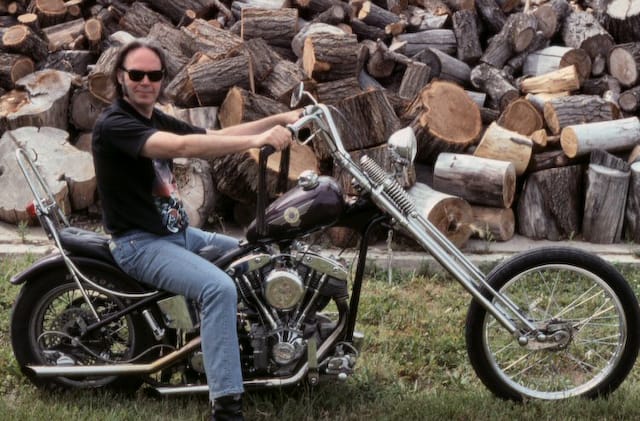
Let's Talk About Neil...
Young is one heck of a case study when it comes to musician ethics and politics. He’s been outspoken and politically active throughout his whole career:
- Writing the song “Ohio” would be enough to make any singer a great political artist.
- He co-founded Live Aid.
- He and his wife founded the Bridge School.
- Young was one of the few artistic voices criticizing the Iraq War at the time.
- In 2015, he had an album criticizing Monsanto and corporate farming.
- Has been a leading voice against the Dakota Pipeline.
Yet it might also shock music fans to know that Young (a Canadian) had a lot of positive things to say about Ronald Reagan and said this in 1984:
“I'm tired of people constantly apologizing for being Americans.”
Neil Young’s career is way more nuanced than liberal-lambasts-Republicans. He has often shot from the hip, politically and musically. If he had to take one thing back, it would probably be his awful 1983 Trans album of confusing robotic New Wave music.
Mainly, he’s always been willing to put his money where his mouth was, and has often sharply criticized artists for selling out by doing advertisements. So, when he was troubled by Joe Rogan taking a hard anti-mask stand during the COVID-19 pandemic, Young followed his heart and had his music removed from Spotify since they were platforming Rogan’s podcast.
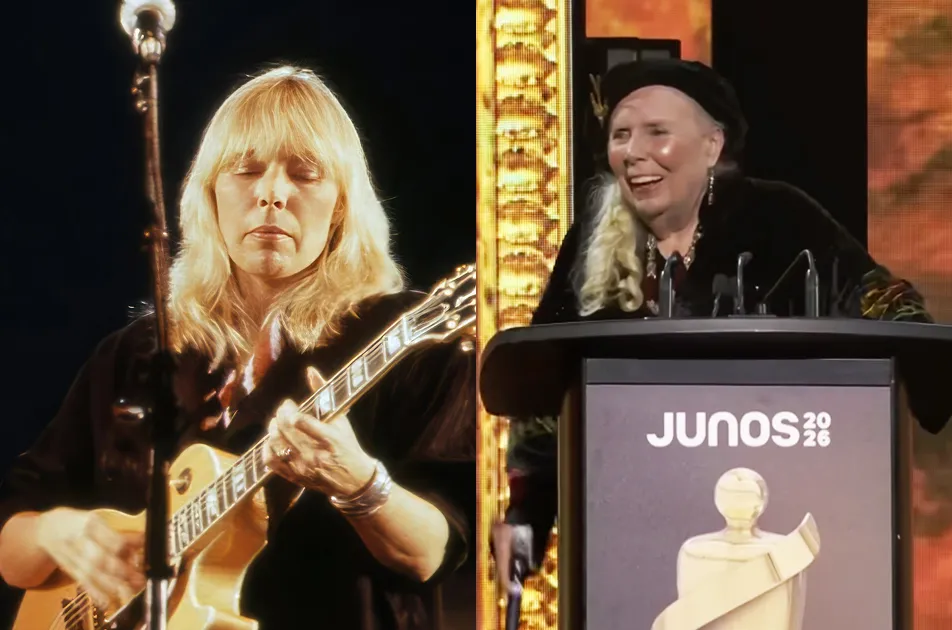
His friend Joni Mitchell followed him in removing her music; they were both polio victims as children and were particularly passionate about the issue. This was hardly an empty gesture.
By removing his music, Young was passing up ~$900k per year in royalties.
Most of us remember that stand. What would surprise most of us who were not tracking the story that carefully, over the past 5 years, Neil Young has hopped on and off Spotify a few times.
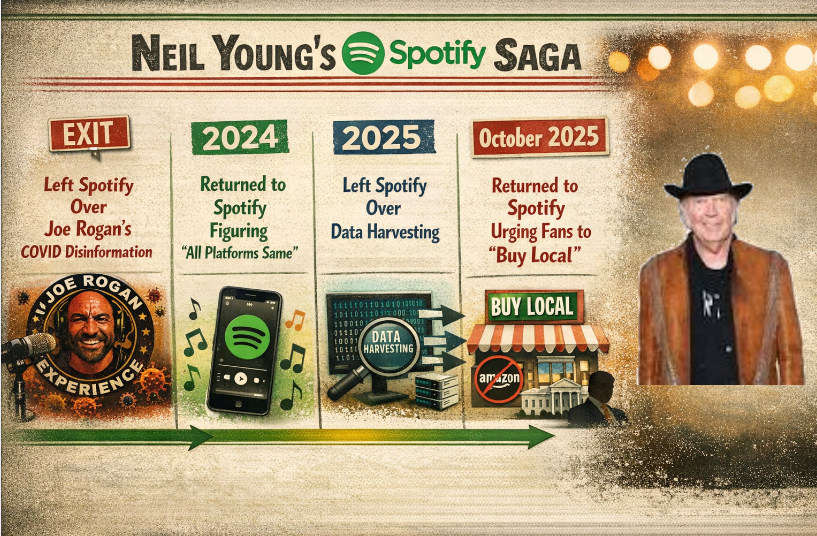
2024 saw Young bringing his music back to Spotify, figuring that all streaming platforms were doing the same thing and his music would effectively disappear if not on any corporate streamers.
In 2025, he removed his songs from Spotify again, this time over their data-harvesting practices. But in October that same year, he brought it back on platform; only this time he continued to urge fans to still “buy local” (for everything, not just music). This was largely in reaction to watching Amazon and Jeff Bezos capitulating to Donald Trump.
That’s a lot of movement, and with some specific issues and concerns for one very specific artist.
Despite Young's financial positioning though, these ethical decisions never happen in a bubble — whether the artist is a legend or a DIY singer-songwriter trying to make ends meet.
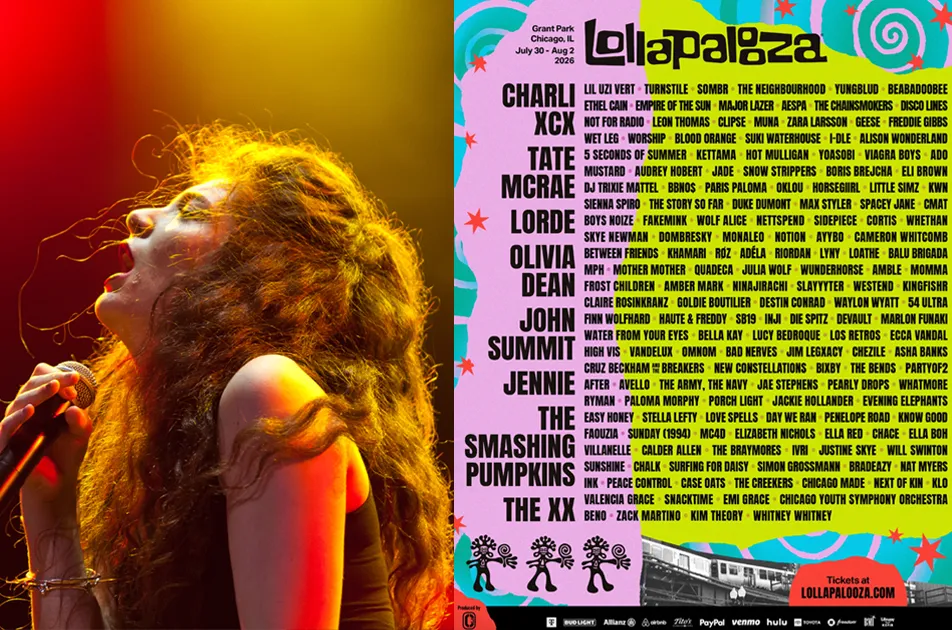
+Read more: "How Lollapalooza's Evolution Has Defined the Last 3.5 Decades of Live Music"
The Indie Artist Version of This Problem
Working musicians on the grassroots level don’t have to contend with providing value for selling their catalogs for $150 million. But one could argue that every ethical decision that indie artists are confronted with has higher stakes for the artist’s survival, since their financial situation is closer to the bone.
Ethical decisions for smaller acts might include:
- Leaving Spotify over payouts
- How much to participate in social media
- Boycotting platforms over ethics
- Touring venues with controversial ownership
- Brand partnerships that conflict with identity
Principles have costs. We artists may feel that social media has a corrosive effect on society, but it’s also a band’s principal method of discovery – and the preferred method for fans to engage with artists, too. And if a band’s music isn’t streaming, where do modern listeners get to hear them?
Indie artists are asked to behave like cultural institutions; but they are really struggling small businesses.
Why “Leaving” Platforms Rarely Works
Let’s face it; most of these exits are symbolic. Any socially conscious artist is going to naturally take exception with any major corporation, communications company, or streamer. It’s not that “the man” is necessarily evil, but musicians turning over the rock and looking at what’s underneath can usually find something to protest.
But what happens once an artist gets off from a service?
- Fans might not find you elsewhere. Not through intention, but they naturally don’t listen to your music much after the move.
- Social media or streamers’ algorithms and discovery tools start to vanish.
- Disappearance is “protest” from a known artist; from fringe bands disappearance could mean “irrelevance.”
- Smaller-profile musicians aren’t always commended for their bravery, in fact, they may be ridiculed as delusional or self-important.
These are just structural realities for DIY music acts.
A More Useful Question Artists Can Ask
Rather, musicians need to ask themselves: What outcome am I looking for? There are three kinds of decisions to make:
- Symbolic: Usually driven by the musician’s personal beliefs. What kind of artists do they want to be?
- Strategic: This is going to sound cynical, but how will this affect audience growth or positioning.
- Sustainable: What will this mean for the artist long-term.
It gets bad when artists confuse these modes – speaking of ethics, I had AI make this graphic:
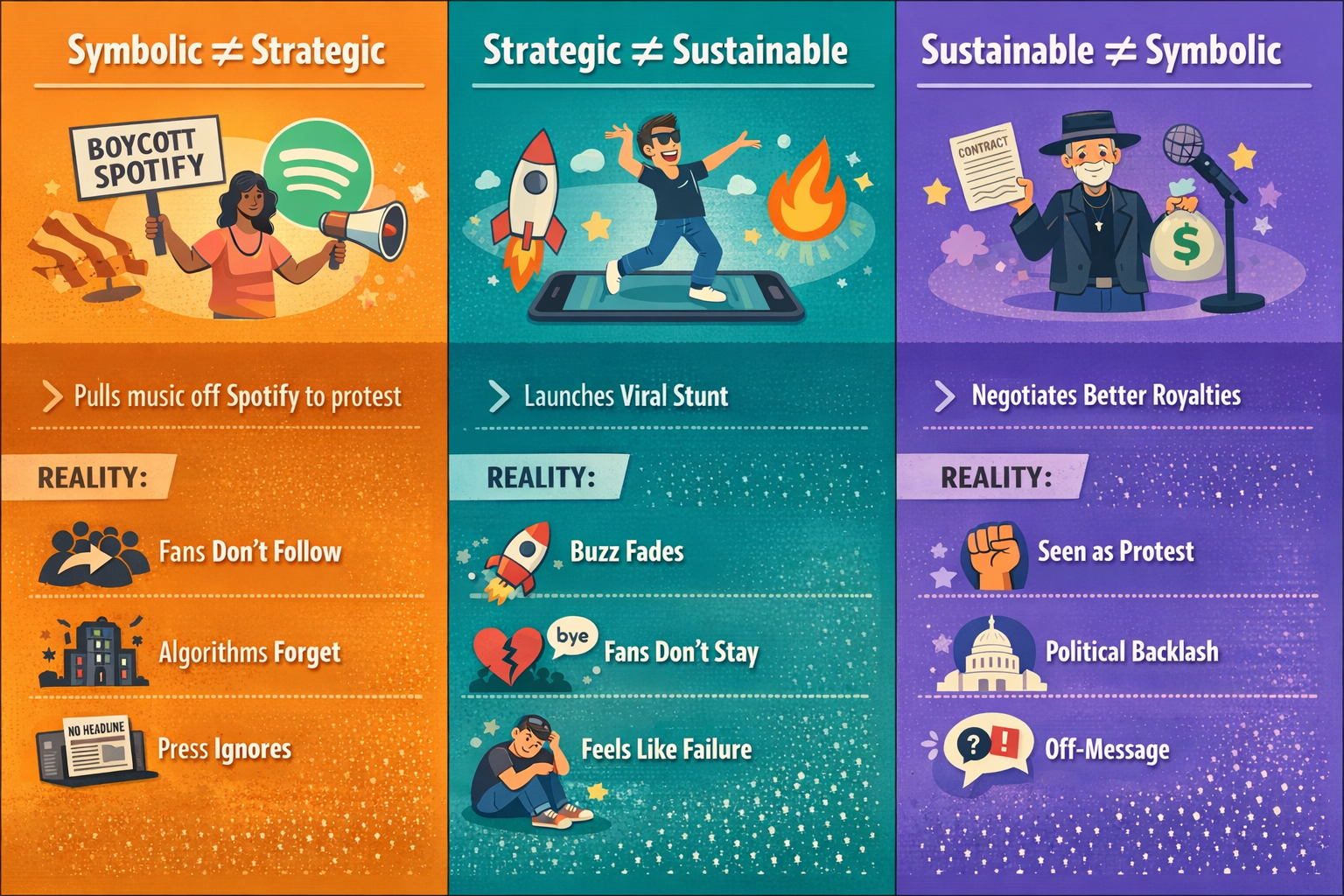
It’s probably noticeable that problems start happening when artists make more cynical or calculated choices.
The Real Lesson to Take Away From Neil Young
Neil Young’s situation is different from that of the indie artist, but there are lessons to be learned. His stands evolved with context. As platforms have evolved, he continually recalibrated his relationship with platforms and technology – Pono reacting to MP3s, statements, and actions on streaming services.
But he always followed his own instincts. Coincidentally or not, he has an unwavering reputation as a musician of the highest integrity.
That should be the DIY artist’s model: Act on what your conscience is telling you, but think it through like a professional before you take a stand. Showing integrity within authenticity is never the wrong strategic move.
Neil Young 2026 Tour Dates
JUN 27 — Chelmsford, United Kingdom @ State Fayre 2026
JUL 05 — Cardiff, United Kingdom @ Blackweir Fields Bute Park
JUL 14 — Lucca, Italy @ Mura di Lucca - Viale Carducci
JUL 16 — Codroipo, Italy @ Villa Manin