

Ahead of the country’s 2026 election, 12 music organizations across New Zealand / Aotearoa’s music industry have united behind a manifesto calling for a national growth strategy.
Led by Recorded Music NZ and developed with APRA AMCOS, the NZ Music Commission and other partners, it connects artist development, exports, copyright, education and the infrastructure that makes musical careers possible. The NZ Music Commission announced the coalition on August 26.
The manifesto puts the sector’s 2024 contribution to GDP at NZ$928 million, while saying music receives less than 5% of government arts funding. You can read the full manifesto here. It states that “the music industry is not asking for handouts,” however, it is asking for a plan to be put in place that reflects this national economic contribution.
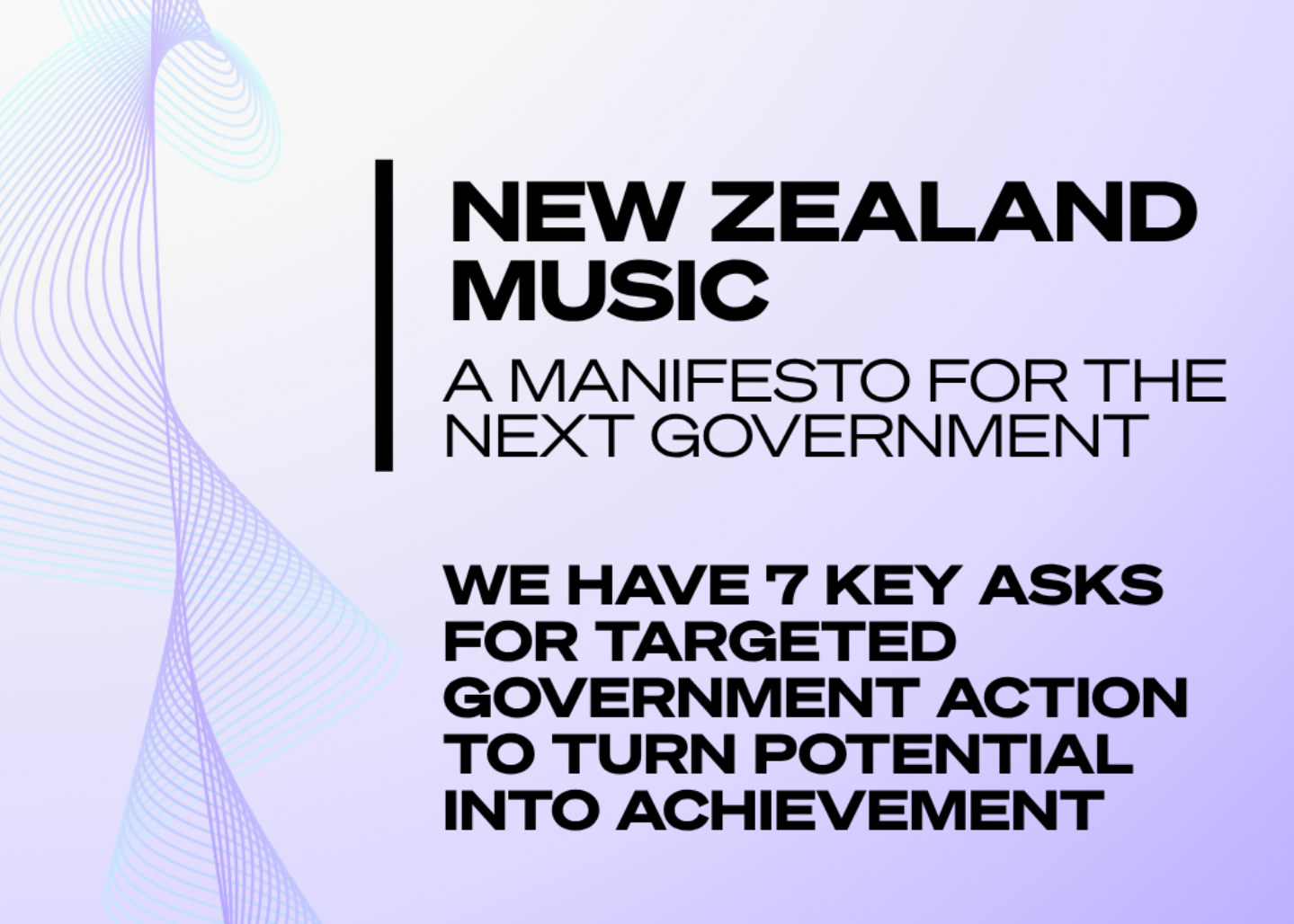
And not for the first time: a 2023 manifesto from the same three lead organizations sought a properly resourced, multiyear strategy and stronger routes to international success.
Another election. Another request to think beyond the next funding round.

What would taking music seriously actually involve?
For starters, bringing music into the remit of the Ministry of Business, Innovation and Employment, recognizing its growth potential alongside screen and games, and introducing a tax rebate for businesses that develop and create music.
The financial requests include NZ$2 million annually for regional touring, NZ$3 million for organizations delivering professional development, and NZ$5 million for an export strategy, including expanded support through Outward Sound. The coalition also wants music represented in trade missions, as outlined in Rolling Stone AU/NZ,
But the document isn’t really an invoice. It calls for venue support and changes to noise and liquor-licensing rules; at least one New Zealand support act on international shows and tours; investment in Māori-led music creation and development; and better-resourced music education. On AI, it opposes new copyright exceptions for training and seeks transparency about training material.
Note that these remain industry proposals, not a newly approved government package. In essence, the argument is bigger than any individual grant: teaching someone to make music, helping them build a business, protecting their work and reaching overseas audiences should be connected parts of a national strategy.
The people behind the policy
Recorded Music NZ CEO Jo Oliver has described a growing market in which local artists still struggle to secure their share. Country artist Kaylee Bell said her touring overheads had roughly doubled over three years, while travelling with a team of at least 20 New Zealanders. She also credited opening for Ed Sheeran with transforming her career.
The Beths’ Jonathan Pearce put the venue problem plainly:
“If we lose those spaces, there'll be nowhere for you as an artist to conduct your enterprise.”
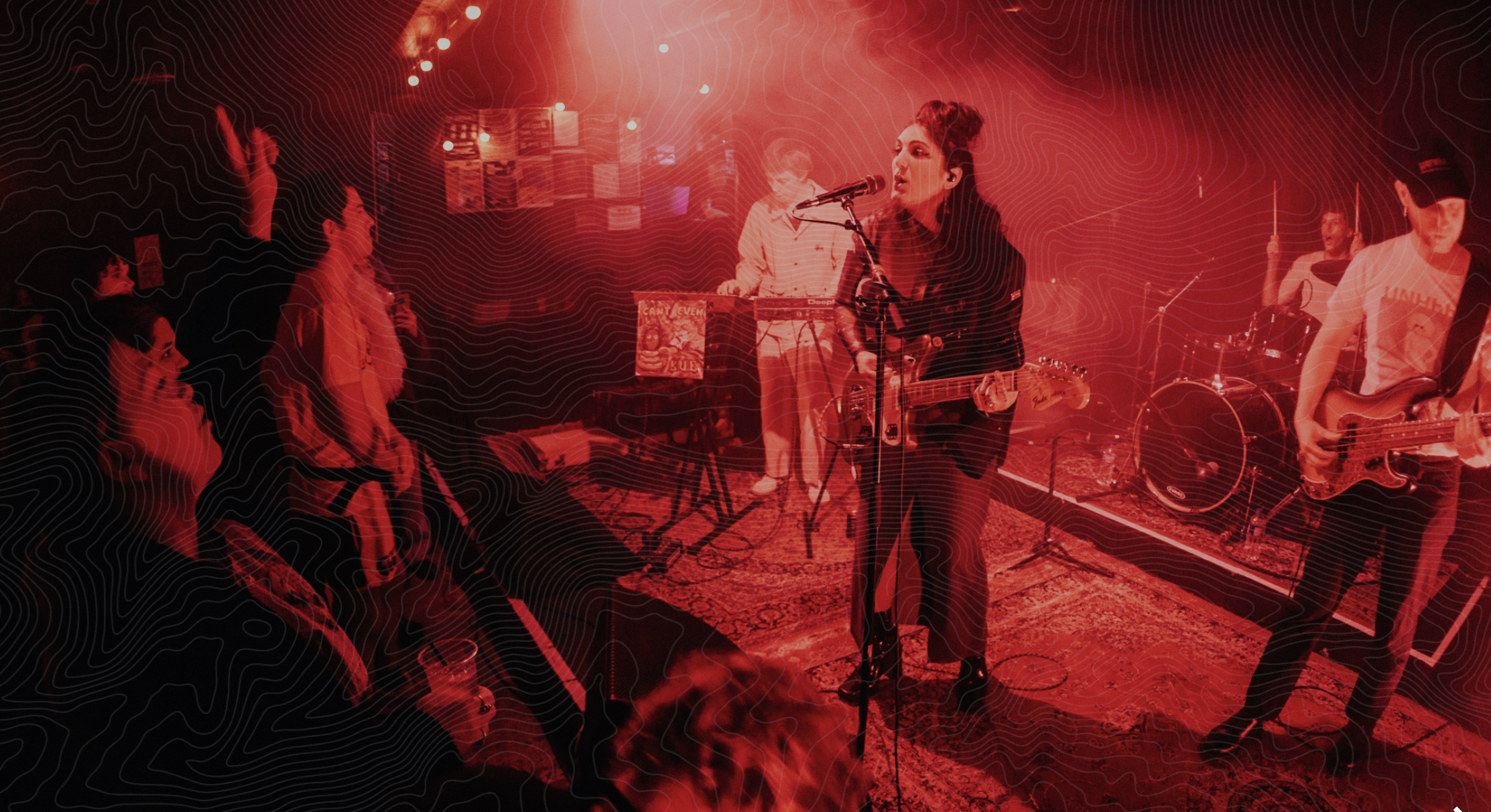
Enterprise. That pretty much sums up the argument for the coalition. They want to be considered an equitable investment partner in the growth of the country. A venue is somewhere to gather, certainly. It is also somewhere musicians work, technicians earn and artists learn whether an audience actually wants what they’re making.
Nor is government investment in music an entirely foreign concept. In June, the government highlighted support for Post Malone’s New Zealand concert through its Events Attraction Package, pointing to the economic benefits of major performances.
Hence: If bringing international stars into New Zealand is economic development, shouldn’t building careers for New Zealand artists be treated that way too?
All New Zealand / Aotearoa’s music industry wants is a country that can do more than celebrate the artists who make it what it is. It wants a serious plan for how the next ones get there.