


Comments filed in federal court last week highlight widespread backlash against the Department of Justice’s proposed antitrust settlement with Live Nation.
Following an April jury verdict that Live Nation and Ticketmaster operated an illegal monopoly, competitors and independent venue trade group, the National Independent Venue Association (NIVA) formally objected, arguing the settlement fails the public interest and leaves the vertically integrated giant intact.
NIVA’s Tunney Act Filing: Structural Remedies
Representing independent venues, promoters, festivals, and presenters nationally, the National Independent Venue Association (NIVA) submitted its formal Tunney Act comments to the court:
"The jury's verdict creates an historic opportunity to restore competition to a market in which Live Nation's power has been allowed to encroach across multiple parts of the live entertainment ecosystem for decades," wrote Stephen Parker, Executive Director of NIVA. "The proposed consent judgment will not rein in Live Nation’s illegal monopoly, is not in the public interest, and should be rejected."
NIVA outlined four structural remedies it says are required for any settlement to deliver real competitive relief:
- A 50 Percent Tour Cap: Prohibiting Live Nation-controlled entities from promoting more than half of domestic dates on any headline tour in a calendar year. Over the last three years, Live Nation promoted exclusively or booked a significant majority of dates for 69% to 74% of the top 200 U.S. tours. As Parker noted: "The entity that books a tour determines the price for the shows on it... If 50% is an appropriate threshold for a building's ticket inventory, 50% is likewise an appropriate cap for each artist's tour."
- Divestiture of Ticketmaster: Complete structural separation paired with strict bans on rebuilding the leverage through exclusive agreements, revenue sharing, data sharing, or mandatory pre-approvals for future acquisitions.
- Divestiture of Artist Management Businesses: Ending the conflict of interest where managers advising artists work for the same corporate entity promoting the tour, operating the venue, and pricing the ticket.
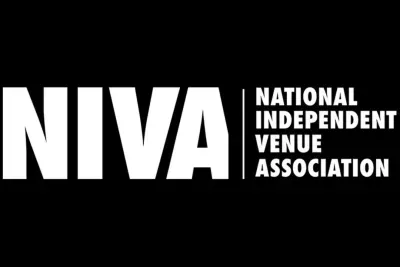
- Making Independent Stages Financially Whole: Allocating a significant portion of state attorney general penalties directly into state music and live performance funds. In 2025, 64% of independent U.S. stages reported they were not profitable, while Live Nation reported $25.2 billion in revenue that same year.
The DOJ’s Proposed Deal
NIVA’s filing also highlighted major structural loopholes within the DOJ agreement as it stands now:
- Scope: Obligations are restricted to "Major Concert Venues" defined as arenas and amphitheaters with 8,000+ capacity. This ignores the jury’s finding that primary ticketing monopolization carried no capacity limits. It also excludes multi-day festivals entirely, as well as Live Nation's expansion into 2,000+ capacity rooms in markets including Milwaukee, Pittsburgh, Nashville, Tampa, San Diego, and Salt Lake City.
- Divestitures at Amphitheaters: At the 13 named amphitheaters, no property, leases, or equity change hands—only contract terms are renegotiated. Buildings like the Ford Idaho Center already publish promoter guides inviting outside promoters, while Maine Savings Amphitheater is already programmed by an independent promoter.
- Penalties: Fines of $5 million per violation (capped at major buildings) equal roughly 1.7 hours of Live Nation's annual revenue—none of which goes to injured venues, promoters, artists, or fans.
- Future Acquisitions: Live Nation would only need to give 30 days' notice when acquiring ticketing platforms, promoters, or major venues—with zero permission required. Acquisitions of festivals or venues under 8,000 seats require no notice at all.
AEG, Louis Messina & SeatGeek Object
NIVA’s pushback aligns with objections filed by some of Live Nation and Ticketmaster's primary industry competitors.
Rival promoter AEG filed a scathing court objection detailing how the proposed settlement tightens Ticketmaster's market grip rather than breaking it. The company highlighted that under the deal's "open distribution" model, rival ticketing platforms are simply forced to sell tickets on Ticketmaster’s backend, allowing Ticketmaster to continue extracting lucrative service fees while controlling a strong majority of large venue inventory.
Legendary tour promoter Louis Messina, founder of Messina Touring Group (Taylor Swift, George Strait, Ed Sheeran, Kenny Chesney, Eric Church), filed comments detailing industry retaliation. He said Live Nation stopped returning his calls after disputes and blocked his acts from amphitheaters.
Messina also noted that artists, agents, and managers are terrified to speak out against Live Nation publicly out of fear of being blacklisted from major touring routes and venue networks.
Primary and secondary ticketer SeatGeek echoed these objections in its court submission, emphasizing that venue operators remain hesitant to switch ticketing platforms as long as Live Nation can pull lucrative concert tours from uncooperative buildings.
Live Nation's Response
Live Nation executive Dan Wall dismissed the filings, arguing that AEG, SeatGeek, and independent groups are advancing self-serving commercial interests rather than looking out for fans and artists, maintaining that the negotiated terms deliver adequate remedies.
Hypebot's Bottom Line: What's Next
As NIVA, AEG and others argue in their recent filings, the Federal Court's rulings on Live Nation's DOJ settlement and the broader guilty verdict later obtained by a coalition of States will have a profound impact on the live music industry for decades to come.
Judge Subramanian is expected to deliver his DOJ Tunney Act ruling on whether to accept or reject the proposed settlement by the end of October.
Hearings regarding the State's case including potential structural penalties or a breakup of Live Nation and Ticketmaster are expecteed begin as early as February 2027.