

Welcome to Pennies Earned, a column by Arielle Aslanyan of Pretty Penny PR on the subtle shifts that can make or break any publicity campaign, and how not to overlook opportunities hidden in plain sight.
Laufey Built a Third Space. The Industry Is Still Building Funnels.
The music industry keeps mistaking volume for connection. More posts, more videos, more access, more ways to stay visible between releases, as if fandom is a math problem that scale eventually solves. It isn't, and Laufey just proved it.
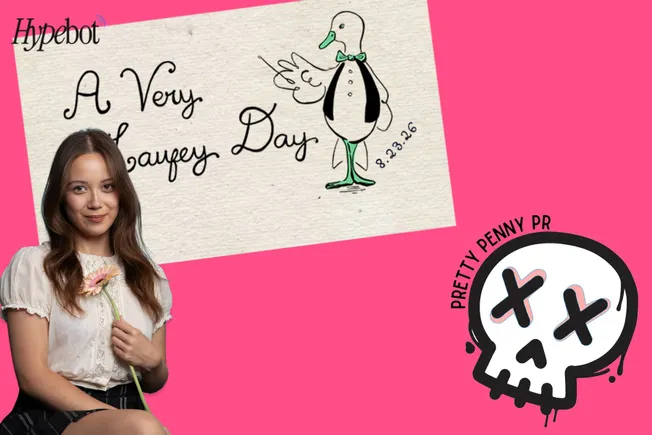
In 2023, ahead of the release of her album Bewitched, the Icelandic-Chinese singer-songwriter introduced "A Very Laufey Day," an annual global fan event, built around her version of a perfect day.
Four years in, this is no longer just a campaign, it's a full-throttle engine of public-facing engagement.
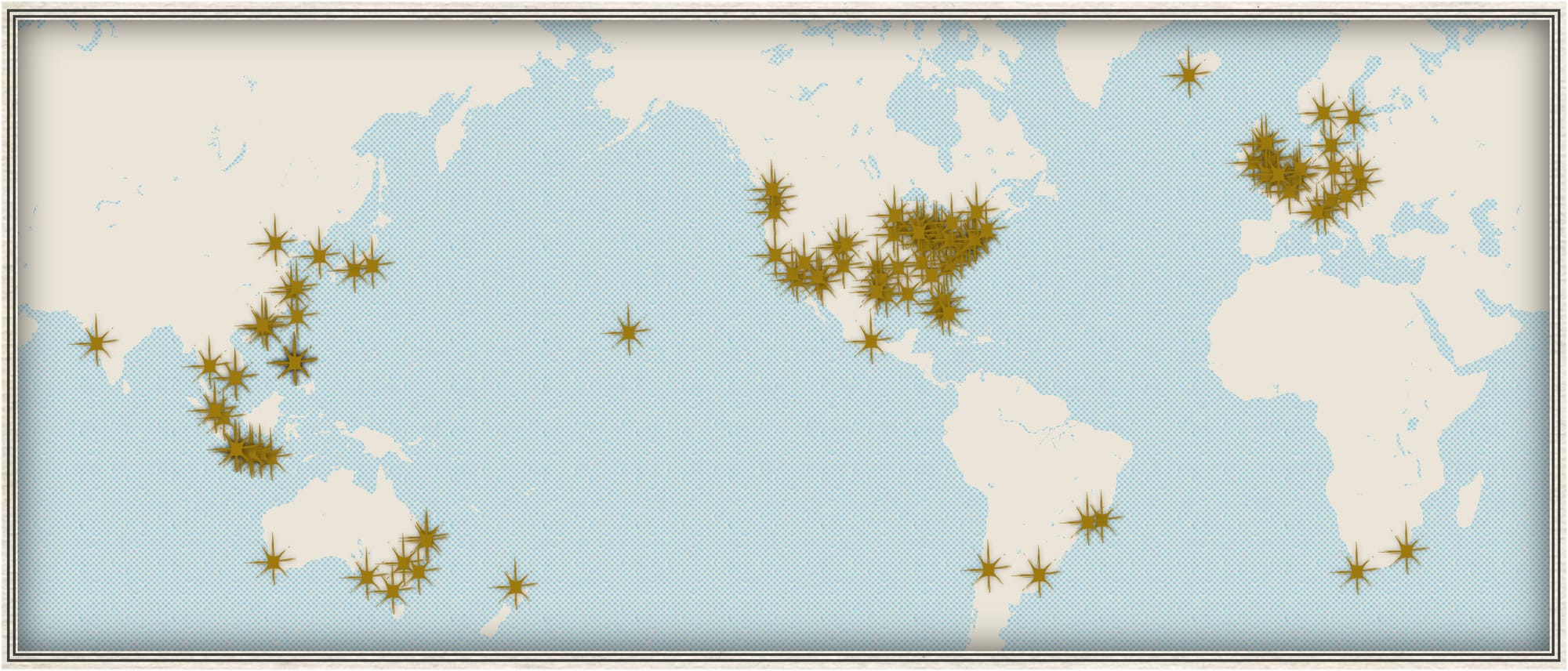
This year's edition, themed "A Celebration of the Arts," runs across more than 75 cities in 25-countries taking place Sunday, August 23 where fans get pointed toward museums, bookstores, cafés all chosen to reflect the jazz, classical, and old-world aesthetic her music already lives in. Most artists only fight for attention among people already following them. She's fighting for it among people planning their Sunday.
It's being covered like a nice idea. A museum here, a bookstore there, an ice cream flavor with her name on it. What's actually happening underneath is more interesting than that, and almost nobody is naming it correctly.
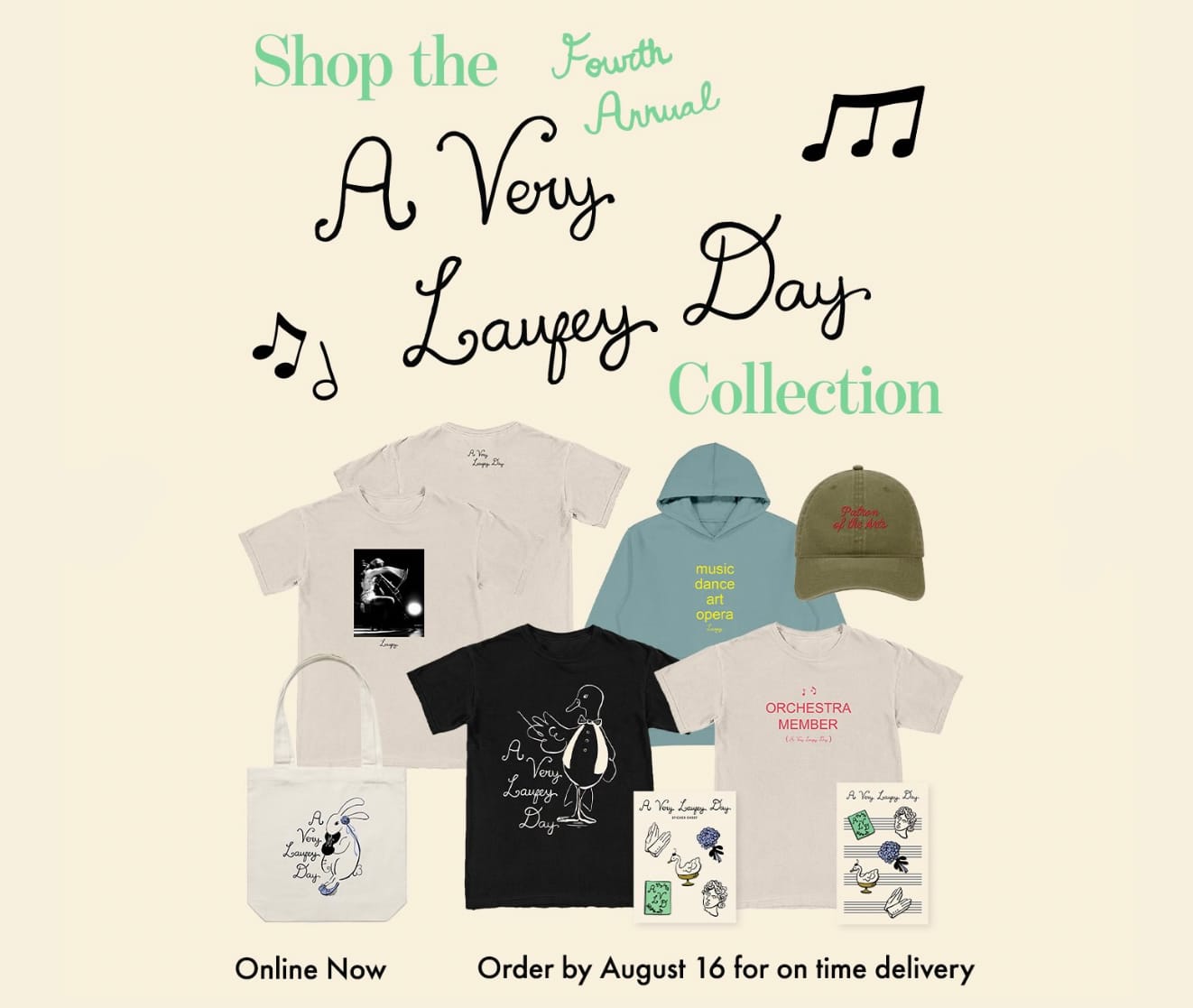
Look closely and "A Very Laufey Day" isn't a single activation, it's a full ecosystem, and every layer is doing a different job leading to more sales. Commerce runs on a few tiers, not one: The net proceeds from merch goes towards The Laufey Foundation. The Spotify playlist for the entire activation which prompts engagement leads to more streams. The libraries connected to her book club generate more sign-ups.
And sitting above all of those is Candlelight: A Very Laufey Day, a limited, ticketed concert series in ten cities, produced with Fever while also offering a screening of her film, A Night at the Symphony: Hollywood Bowl in select theaters. The free grassroots day and the premium ticketed night are the same campaign, monetized in completely different altitudes.
Every one of those layers reinforces every other one.
None of it required a single paid ad, and none of it expires the week the news cycle moves on. The moment someone recognizes they're being sold to, they resist, scroll past, tune out, all the things marketers now complain fans do reflexively. Laufey built something that functions exactly like a funnel: discovery, engagement, and conversion, all three stages present and doing their job, but disguised as a day out.
Discovery, community, and revenue, all running through the same afternoon, in that order, and every stop feels like a gift instead of a pitch.
Most artist campaigns build these elements on separate tracks. A merch drop here. A brand partnership there. A fan club running its own separate calendar. They rarely hand fans from one to the next.
What makes this version work isn't any single piece, it's that the sequence is deliberate. Nobody gets asked to pay for anything until they've already had the experience and already feel invested in it. The free layer exists specifically to make the paid layer feel earned rather than pushed.
That's the lesson worth stealing, and it has nothing to do with museums or other activities specifically. Lower the barrier all the way to the floor first. Let people in for free. Only then offer them something that costs money, once they already want to be there.
Here's the honest caveat: this particular version of the funnel works because Laufey's identity happens to map onto physical places. Museums, bookstores, cafés. An artist without that kind of aesthetic coherence ends up building a stunt instead of a funnel, and audiences can usually tell the difference.
It's also not free to run, even if it's free to attend. Coordinating dozens of independent businesses across two dozen countries, keeping every one of them on brand and showing up correctly on the same day, is a real operational lift. That cost doesn't show up on a media budget line, but it's there.
For the artist:
Your version of this doesn't need 75 cities. It needs one place your music already sounds like, and a reason for people to walk through the door before you ever ask them for money. The experience is currency to fans.
For the manager:
Sequence the ask. Free experience first, paid tier second, always in that order. A fan who's already had a good afternoon is a far easier sell than one being pitched cold.
For the brand or venue partner:
You're not being asked to sponsor an ad. You're being asked to be one stop on a path built to feel like discovery, not marketing, which is exactly why fans will forgive you for being there.
Most of the industry is still building funnels people can see. The ones who figure out how to build ones fans actually want to walk through are going to make the old model look like it's shouting into an empty room.
"A Very Laufey Day" works because it asks a completely different question. Not "how many promotional moments can we squeeze out of this album," but "what experience does this album make possible."
Laufey Tour Dates
Arielle Aslanyan is the Founder of Pretty Penny PR, a music publicity company for the indie side of things, launched in June 2026. Aslanyan is a former publicist with Syndicate and Sony Music, and has 22 years of experience in the music industry, having worked with artists like Lord Huron, Lucius, Velvet Revolver, Slash, Jane’s Addiction, Black Label Society, Clutch, and more. Follow Pretty Penny PR on Substack.