

______________________________
Guest Post by Yael Chiara on MediumSeymour Stein, a bona fide music industry legend, turns 73 this month. Get him talking about music he loves, though, and he’ll match the passion of any young industry whippersnapper pound for pound.Stein is still every bit as full as admiration for great bands as he was more than half a century ago, when in 1966 he co-founded Sire Records with his friend Richard Gottier. Through Sire, he played a vital role in bringing the likes of Talking Heads, The Ramones, The Cure, Ice-T and Echo & The Bunnymen to mainstream recognition.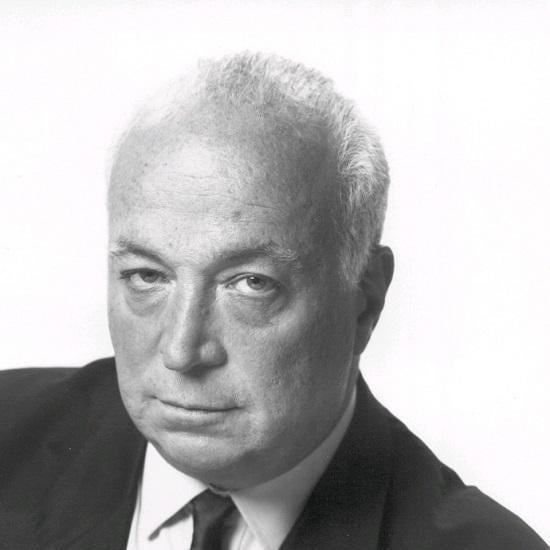
Kenny Gates: I’m sure you’ve told this story hundreds of times, but please do cast your mind back again: you started Sire in 1966?Seymour Stein: Yes, late 1966 as a production company. If you go back a few years further, you find the reason we were able to get Sire started: I was 14-years-old, and the first man I ever worked for was Tom Noonan, the charts editor at Billboard magazine. He had just taken over a position at Columbia Records, running a label called Date. He helped Richard and I get a big advance — in those days it was a big advance, anyway!Do you remember how much it was for?Oh, of course. $50,000. It was a lot of money back then. Plus, we got free use of the Columbia studios anywhere in the world and [then] they would pay to sign up the acts. The $50,000 was just operating capital, which we desperately needed.How did you and Richard meet?
That’s important! We met in the Brill building; that was my last job [before Sire] — working for Red Bird Records, for George Goldner, another one of my mentors. And in-between, after Billboard and after Red Bird, I worked for King Records. Syd Nathan at King was my greatest mentor. [King’s roster included] James Brown, Hank Ballard and the Midnighters, Freddy King, and a great country roster. I know that without being mentored by these and other people — including Ahmet [Ertegun] and Jerry Wexler, even Nesuhi Ertegün — I wouldn’t have had such a successful career. I believe in mentoring very much.Well you are one of my mentors! I’m amazed by your longevity and your passion.Thank you — I’m amazed at it too given the life I’ve lived!
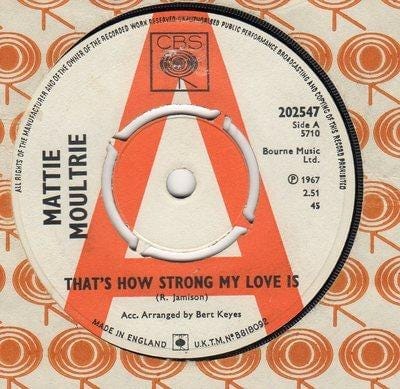
It was a woman named Mattie Moultrie. She was a black woman from Georgia, and I had always loved that song — “That’s How Strong My Love Is.” That was the first thing we did with her. Columbia wanted us, as much as possible, to sign black acts. They stated that. My background with King meant I used to go on the road with James Brown, amongst other things, all in my late teens. I never went to college.
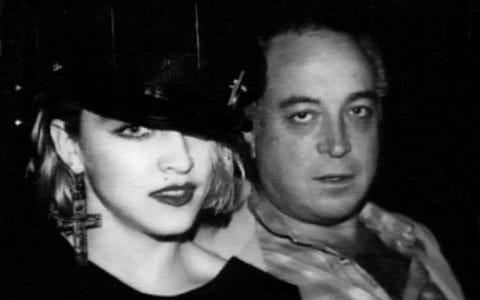
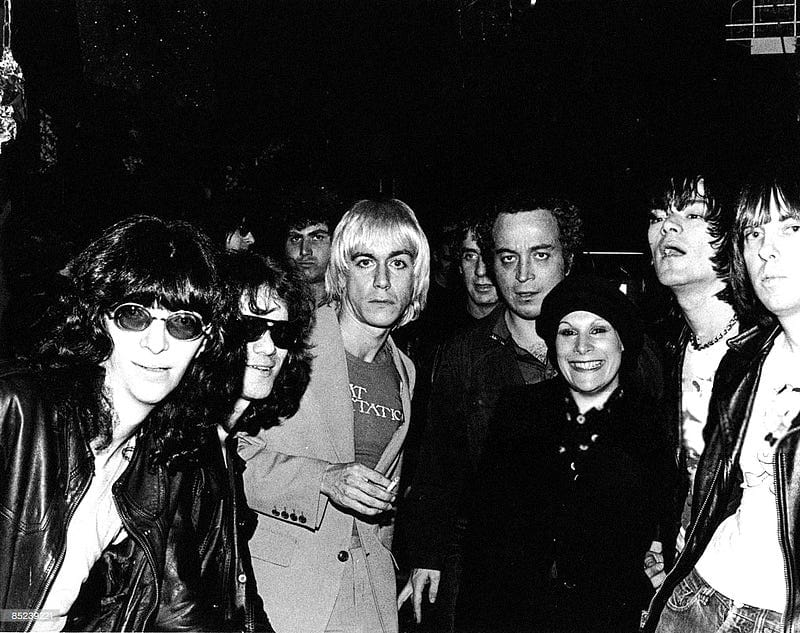
Yes, I’d always befriended Mark. He was a DJ who played all sorts of weird music but somehow made it work — he was playing Faro music, mixing it with African music and making it all work. I gave him $18,000 and I told him: ‘This should be enough for you, over a period of a year or longer — don’t rush it — to make six demos.’ Madonna was the third demo he brought me. I listened to it, and I loved it.Everyone knows this story: I heard it in the hospital, and I got so excited, I made her come to see me. No, that’s not true — even then you couldn’t make Madonna do anything unless she wanted to! She came to the hospital and we agreed on a deal right then and there. I asked her to go to her lawyers so we could draw up the papers.All these bands you signed: Talking Heads, The Pretenders, The Ramones… Discovering The Ramones must have been an incredible moment.
Yes, but a regrettable moment in a way. They’re all dead now—the last of them died last year. In addition, they never sold [what they deserved to]. But they influenced so much of the music business. I met with someone from The Grammys recently, and they’re going to do a big spotlight on The Ramones next year.It breaks my heart they weren’t bigger. But whenever the public learn who I am, the first thing they ask about is The Ramones. So they have ‘made it,’ I suppose, it’s just horrible they’re not alive.
Find out more about The Independent Echo, a blog from [PIAS]—the independent music powerhouse, celebrating the character, knowledge and history of the independent music business
Related articles