


The modern independent music career increasingly relies on multiple income streams. Production services, sample packs, teaching, mentorship, and digital tools have all become part of how working creators sustain themselves.
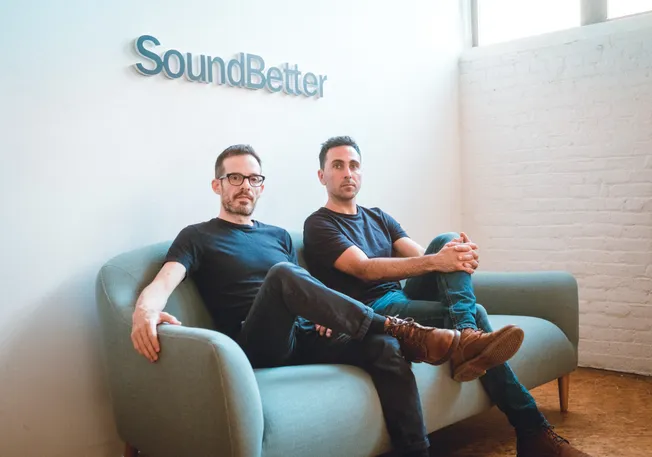
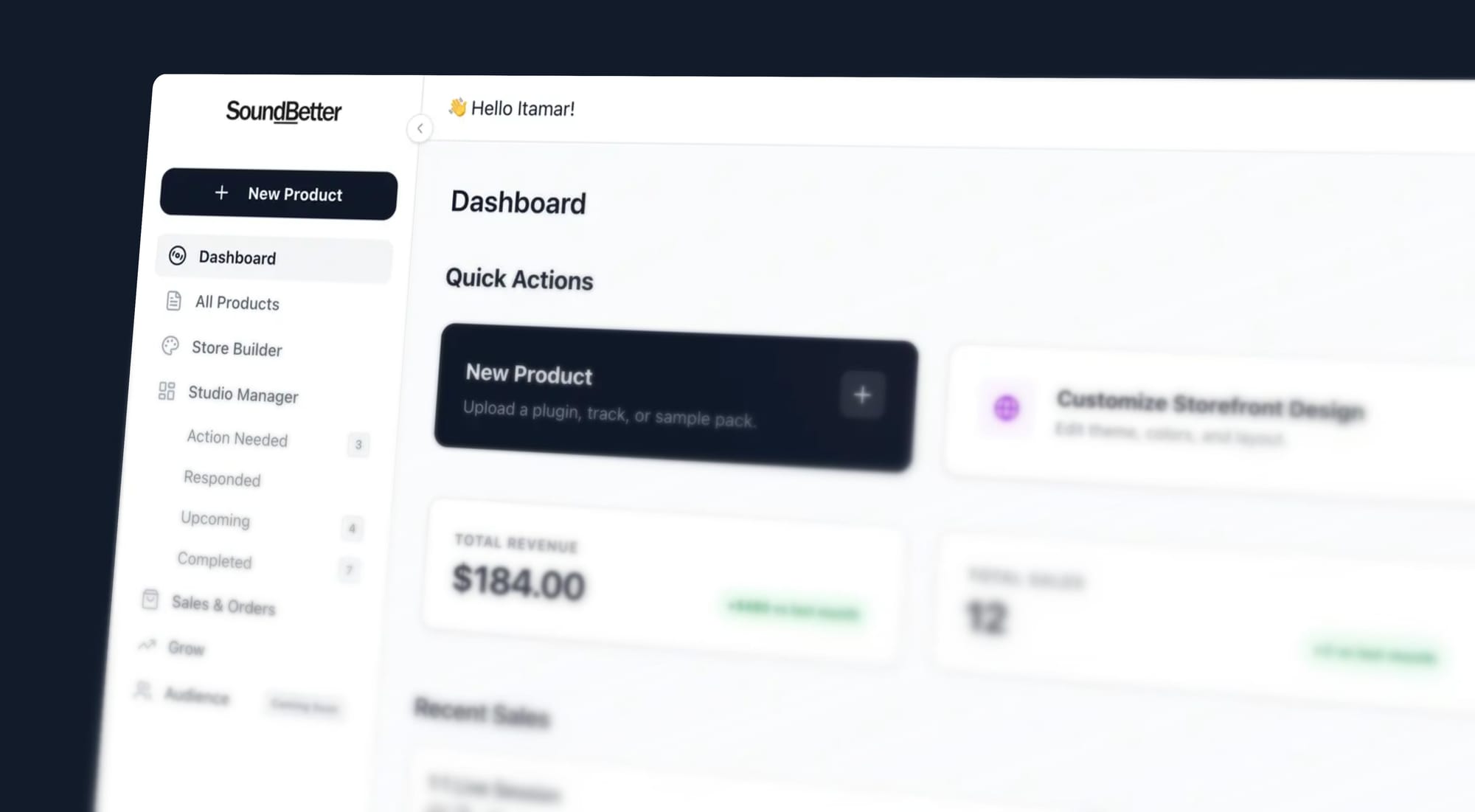
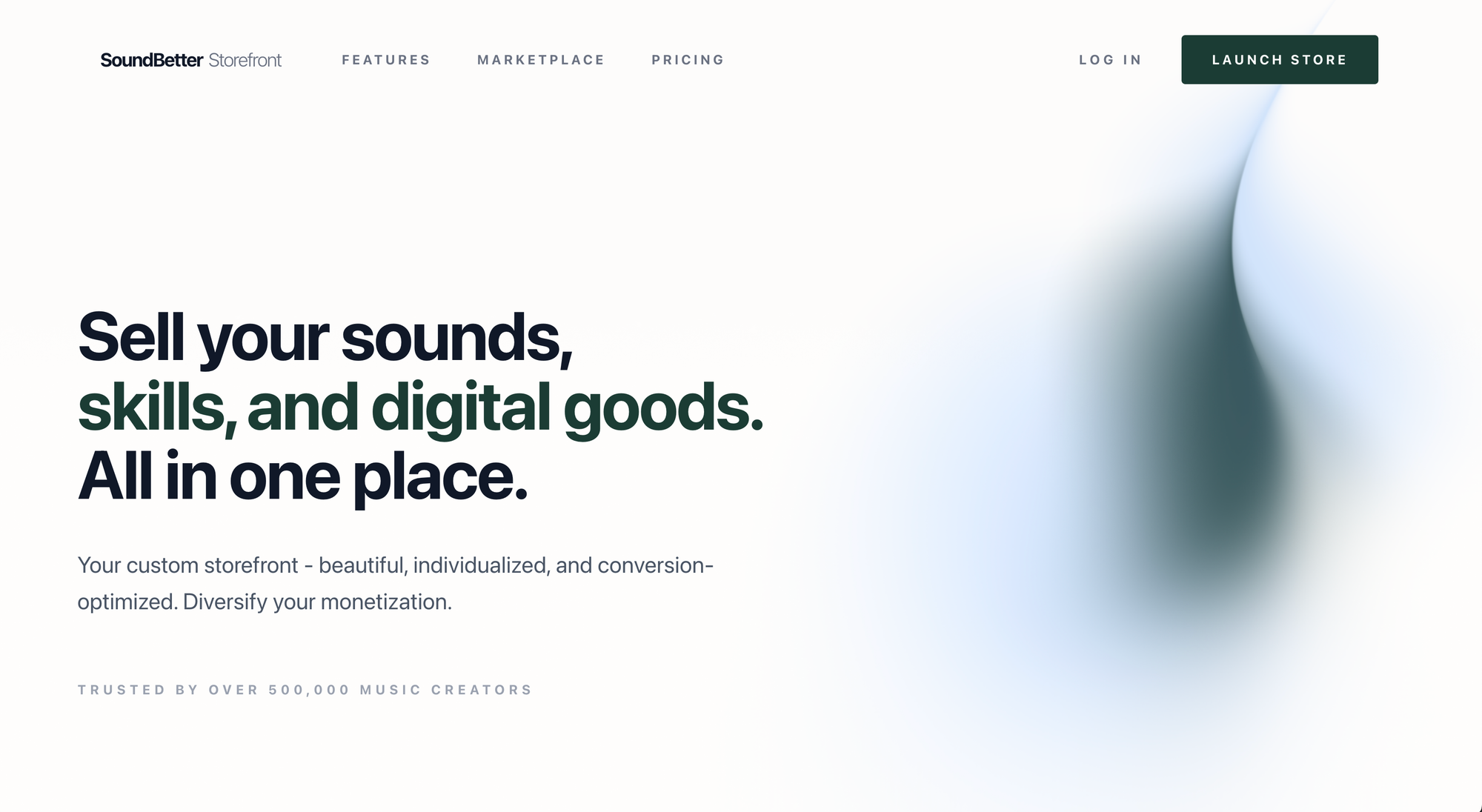
Recognizing the diversity of tools a musician both has access to and needs, and can earn an income around, SoundBetter has expanding its platform to reflect that reality. The music services marketplace best known for connecting artists with professional producers, engineers, and songwriters, has launched SoundBetter Storefront, a new product designed to give music creators more ways to monetize their skills and intellectual property from a single hub.
Since 2012, SoundBetter has facilitated more than $120 million in earnings across a global community of hundreds of thousands of music professionals. Storefront builds on that foundation by allowing creators to sell digital products, offer educational services, book live sessions, and continue providing freelance services all within the same platform.
+Read more: "A 360° Concert With No Spilled Beer on Your Shoes"
A New Income Hub for Production Professionals
SoundBetter’s original freelance services model remains intact, but on this expanded platform, creators can now sell a wide range of digital goods including:
- beats and toplines
- sample packs and presets
- plugins and production templates
- educational courses and mentorship
- listening session and mix reviews
The platform’s existing services marketplace remains intact, allowing creators to continue offering traditional freelance work such as mixing, mastering, and songwriting, of course. But for many independent music professionals, this reflects how careers have already evolved. Rather than relying solely on client projects, producers and engineers increasingly build parallel revenue streams through digital products, educational content, and remote collaboration.
Not only that, this can help musicians reduce their reliance on multiple platforms across all of their offerings. No more juggling.
Many independent creators currently rely on a patchwork of tools to run their businesses — one platform to sell sample packs, another to host courses, another to book sessions, and yet another to manage freelance work. The idea with Storefront is to optimize and consolidate those workflows.
+Read more: "7 Mobile Apps to Help Create More Impactful Live Shows"
Early Creators Launching Stores
Several well-known music professionals are among the first to launch storefronts on the platform. Ken Lewis is a two-time Grammy-winning engineer and producer whose credits include Alicia Keys, Taylor Swift, and Kanye West. Yoad Nevo is a producer and mixer who has worked with Sia, Sophie Ellis-Bextor, and Bryan Adams. And Krysta Youngs is a songwriter whose credits include BTS, TXT, and Taeyeon. All of these artists are showing independent artists that services rendered can include consulting services, production plugins, sample packs, SoundChecks, one-on-one mentorship sessions, and more.
How This Affects Indie Musicians
AI production tools, increasingly accessible recording software, and the growth of remote collaboration have lowered the barriers to entry for producing music — but they’ve also increased competition for traditional freelance work. As a result, it's smart to start expanding the scope of your offerings and business beyond freelance client projects.
Whether you end up selling production services, your knowledge and expertise, lessons and mentorship, or some kind of product, revenue sustainability means diversification and platform consolidation. By giving creators the ability to sell products, teach skills, collaborate remotely, and take on traditional service work from one place, the platform is betting that the future of music careers won’t be built on a single revenue stream.
Pricing is set at $9.99 per month or $99 per year, with a 10% commission on transactions and direct payouts processed through Stripe.
