

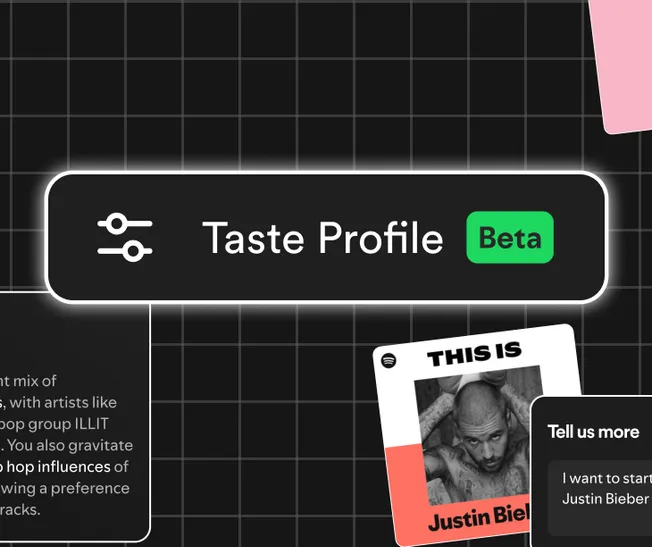
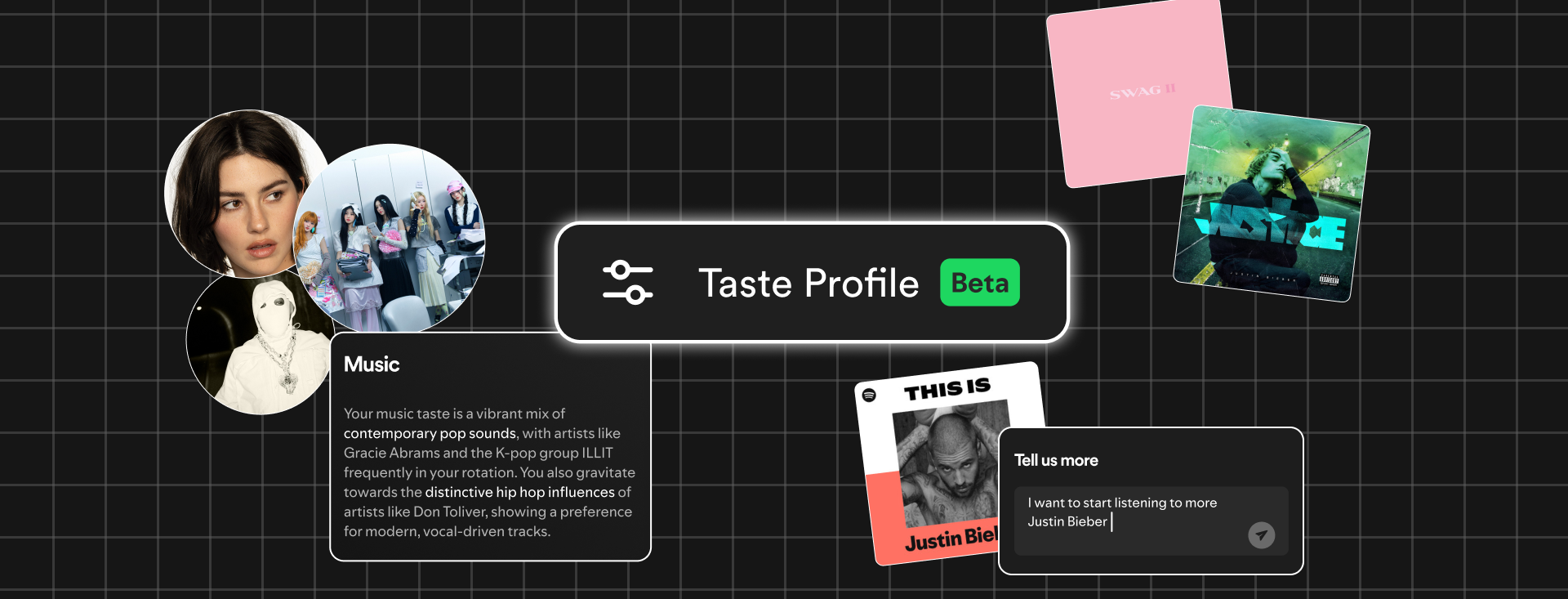
Spotify is rolling out its next evolution in personalization: Taste Profile.
Announced by Spotify Co-CEO Gustav Söderström at SXSW, this new feature shifts Spotify from passive discovery, where the algorithm guesses your preferences based on your listening history, to active discovery, allowing users to directly "steer" the algorithm.
Instead of passively receiving recommendations based on history, listeners can use natural language prompts to request more or less of a specific artist, genre, or "vibe," effectively cleaning up their data (like removing kids' music or sleep tracks) and refining what appears on their Home page and in personalized playlists like Discover Weekly.
This new feature will begin rolling out first to Premium listeners in New Zealand in the coming weeks.
While giving fans more control sounds like a win for the user experience, it creates a more complex landscape for music marketers and developing artists.
Here is a look at how this shift toward user-controlled algorithms could hurt and help music discovery.
How Taste Profile Can Hurt Music Discovery
For years, the industry has relied on the "serendipity" of the Spotify algorithm to break new acts. By giving users the ability to manually filter their tastes, we may be entering a more restrictive era for artist development.
The Death of Serendipity
Discovery often happens through the "happy accident"—falling in love with a genre you didn't know you liked because it was tucked into a playlist. If users become too restrictive in "shaping" their profile, they may inadvertently build a digital wall that keeps out genre-bending or experimental new artists who don't fit into their pre-defined boxes.
The ‘Echo Chamber’ Effect
If a listener tells Spotify they only want "90s Alternative Rock" or "Upbeat Pop," the algorithm will stop taking risks. For a new artist trying to cross over from one niche to another, the "active" user may become much harder to reach than the "passive" listener of the past.
Music as a Utility, Not Art
The Taste Profile emphasizes "habits" and "vibes"—such as music for a morning commute or a marathon. This risks turning music into a mere utility. New artists may feel pressured to create "functional" music that fits a specific "Taste Profile" tag to get discovered, potentially stifling creative innovation in favor of algorithmic compatibility.
Advantage for Established Brands
Artists with a clear, established "lane" will likely benefit most. A new, eclectic artist who is still finding their sound might struggle to gain traction if they cannot be easily categorized by a user who is aggressively steering their algorithm toward familiar sounds.
How Taste Profile Can Help Music Marketing
Despite the risks, the Taste Profile offers a level of precision that music marketers have been seeking for the past decade.
Higher Conversion on Discovery
A hurdle for new artists is appearing in a user’s "Discover Weekly" at the wrong time—like a high-energy track appearing while a user is trying to sleep. By allowing users to signal their current "vibe," Spotify can place new artists in front of listeners when they are in the most receptive state of mind, leading to significantly higher save rates and long-term follows.
Cleaning Up "Polluted" Data
Many users' recommendations are currently skewed by "data pollution"—background noise like lo-fi study beats, kids' music, or sleep sounds. By giving users the power to "flag" and remove these influences, the algorithm gets a "pure" view of their actual musical interests. This ensures that algorithmic weight for new artists isn't being wasted on users who aren't actually fans of the genre.
Precision Micro-Niche Marketing
For artists who fit a specific aesthetic, this tool acts as a direct pipeline. If a user explicitly asks for "Hip-Hop with distinctive influences," the barrier to entry for a new artist in that niche is lowered. The algorithm no longer has to "guess" if the user is in the mood; the user has already provided the "pull" signal.
Hypebot's Bottom Line
The "discovery" of the future may depend less on being "the next big thing" and more on being "the right thing for right now."
For marketers, the focus must shift from broad genre targeting to intent-based marketing. For new artists, it highlights the importance of having a clear "sonic identity" that can be easily identified by both an algorithm and a user looking for a specific experience.
As Spotify continues to make personalization more transparent and responsive, the artists and marketers must adapt to a world where the listener isn't just a passenger, but the co-pilot of the discovery engine.