______________________________________
Guest Post by Stephen Phillips on SocialShorthand.comFormed in 2011, Turntable shot to fame with a completely new immersive musical experience. Its clever use of game mechanics created an engagement around music that had not been seen before or since.Music fans loved it, the labels were excited, the press sang its praises, and investors rushed to the table. It was highly social, it was super addictive, and it was heaps of fun.Yet in just under three years, it was all over. So what happened? I got a chance to speak with Billy Chasen (@billychasen) and ask the man himself.
Stephen
: Had Fred Wilson's guys been involved before then?Billy: He started playing around with it, and we raised relatively quickly after that. I think it was like a few months, as we kept growing. We were near peak growth when we did that round. We went around to a few different people, and Fred was one of the people who was very interested. He likes to be a user of the thing first, and if he is not a user, he’s not going to invest. Fred used it religiously, every morning he was in there.Stephen: What are your memories of early user engagement? Billy: The thing with Turntable was people saw a lot of novelty. It was nice and refreshing, people heard good new music, so that compelled people to use it. But the thing that always hurt us from the beginning, and we would see signs in the analytics, people would get this burnout, after a few weeks. Turntable takes a lot of time, its almost like a game, so it’s harder to do during work, it also looks like a game, so people might be scared of what their boss might say if they saw it. There were signs, even very early on, that we had to either change the service, or find something that went beyond the novelty of just something new in music.
Stephen
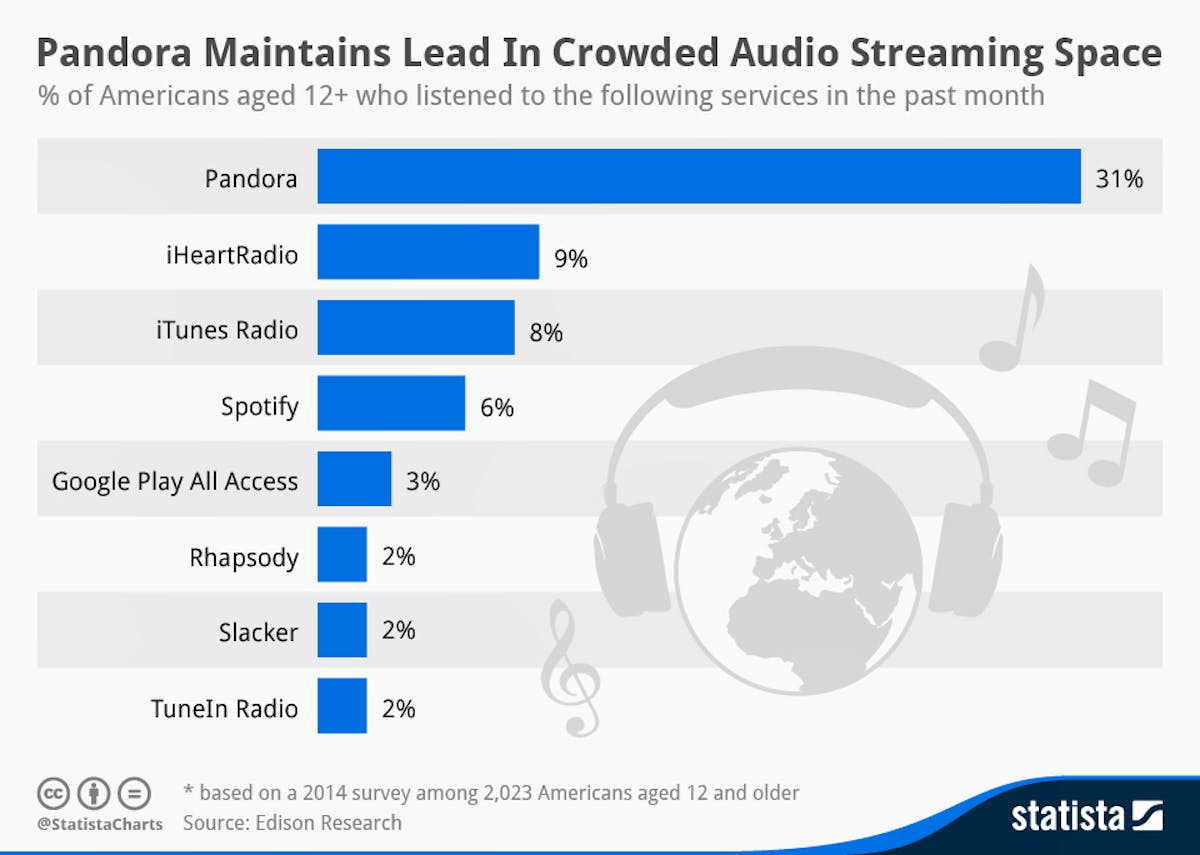
: So was there pressure, driven by you, to tackle a Pandora size market, or did you feel the pressure from investors? Billy: It was my move to try and go after that larger market. Because if we were going to be a free service, and try to monetize on ads, or different kinds of one-off purchases, we need that larger market, a few million people is a great market if you can monetize them, to the tune of $10/month, but no one was interested in paying to use Turntable. We eventually launched stuff in Turntable that we called Turntable Gold, it gave certain features, and we had a decent amount of people using it, but I knew it was always going to remain a small, intense niche of our total user base. There would never be enough people who would buy it, to turn the whole thing into a sustainable business. Stephen: So you tried again with Turntable Live near the end? Billy: Yeah so, we have six months of runway, nothing else is working, we have a new idea. The artists are making the majority of their money now touring, and if you can tour more, and can hit fans that can’t get to major cities, maybe you can monetize more online, and have concerts for fans, and they can interact with you. I think it is a pretty solid idea. I think somebody can do it. Our biggest problem was we simply didn’t have enough time. We did maybe a dozen concerts, and we were building traction for it, but then we were out of money. We would have had to have an awful, awful round, to try and keep the thing going, and at that point, we had started looking for acquisitions, but nothing really seemed appealing. We had a great team who could all get great jobs somewhere else, so instead of locking them into some job they didn’t want, we introduced them to the portfolio companies of our investors, and sure enough, within a week or two, everyone had new jobs. Stephen: I think it is a fantastic idea. It’s got to be an idea that has to happen at some point. Billy: I almost feel like VR may be the tipping point that makes it work. Creates the immersion the idea needs to take off. Stephen: Yeah VR and Holograms, that is the way this idea takes off. When you can feel like you are sitting in the room with the artist as they perform in a virtual world. You get that feeling that you get when you sit next to someone really talented. The true magic of music, the connection with the artist, that hits you at a physical level. It’s hard to get that across on the web, in video, but in Holograms, it seems to come alive. Billy: I agree with you. We tried to make it as close as possible. People could send photos of themselves, and we had them on a TV so the artist could see them, and call people out, we were really trying to make it two way. It worked a little bit. I think if we had more time we could have grown it, and people would have been excited by it, but it wouldn’t have tipped until the virtual tech became real. Stephen: So what are you doing now? Billy: I’m working with a couple of Turntable engineers, two of our best engineers. We’ve just been building random ideas, kind of like an internal incubator, we’re not incubating outside ideas, thinking of stuff we think should exist.
Other Articles
Why Do I Like This Songhttp://social.shorthand.com/huntedguy/n2W29d37r/why-do-i-like-this-song
Related articles