_______________________________
Guest post by Leonard Patterson, Founder of Indie Band Coach While I’m fully aware that there are hundreds of tactics, strategies, tools, and ideas on how to grow your fanbase, I’m just going to cover three. They are ones I’ve used personally and have seen work really well. They have been crazy successful when used together on a consistent basis and that’s what I want to help you get set up — A plan for success and a system that will help you get there.If you’re looking for the quick-fix, microwave method, please move along. This ain’t that.This 3-Part Strategy helped us grow a loyal fanbase who would many times wait 30 minutes to get into a local bar to see us. Mind you, that wasn’t our goal necessarily, but it’s a result of focusing on our fans and putting in a system that allowed us to get to know them. But you may be asking…Why Not Just Run Facebook Ads?Of course, there’s a lot of focus on Facebook Ads as the platform remains the social media beast that it is. You may also be wondering: “What on Earth did we/they do before Facebook became the pay-to-play machine that it is today?”If that’s where you’re at or you’re looking for an alternative to the “pain in the ads” that Facebook can sometimes be, you’re in the right place. But first a little context…1. DISTRIBUTING POSTCARDS
Or “Gig Cards” as we called them, were a staple at every one of our shows. They’re basically a 4up cards (i.e. an 8.5×11 piece of paper cut into 1/4ths) that listed our upcoming gigs, the main social channels, and (maybe most importantly) our logo. We didn’t do anything special, didn’t have a huge budget, and spent very little time producing them.We would use them as conversation starters before and after the show and it gave us a chance to give a simple call to action without promoting a club other than where we were.EXAMPLE: “Hey, if you’re on the dancefloor, be sure to pick up one of our gig cards so you can see where the next party is and when we’ll be back here!”We wanted to be like a virus (we actually had this conversation in band practices). We wanted to be able to “spread” our info, our dates, our logo, etc. into people’s lives in a very non-virusy, intrusive way. That’s what the gig cards ended up doing.It turns out they were just the right size to serve as ‘refrigerator swag’. People told us countless times how they would plan their weekends based on the dates on our card. Not only did it represent a fun, recent memory, it gave them a future good time to look forward to.
2. COLLECTING AND SENDING EMAILS
Conveniently, also right next to the gig cards was our email list sign up. Now, I’ll be the first to admit, we didn’t have an awesome email sequence planned out. We only had an automated response that introduced the band and had a link to the website. But that almost didn’t matter.What we were doing was developing a more one-on-one relationship with people when we emailed them. We used it more as a broadcast tool at the time — here’s some news about our upcoming shows, here’s some behind the scenes videos of us making our cd, etc. But. It. Worked.We also got smart and started looking for more electronic ways to get people on our list. MailChimp is great for being able to have people input their email with the use of an iPad. It even works without having to be on WiFi.You can also use a paid service like Join By Text which is an integration that allows fans to join via text message directly from their smartphone.We grew our list to over 2500 people and took the time to segment. We didn’t travel a ton, but when we did, we made sure that all emails were tagged with the venue and city. Then, if we didn’t want to send out a mass email for a specific gig, we could literally target it to fans who had caught us at that venue before.I’ve used several email providers at different times for different reasons. It seems I always end up back at MailChimp. But don’t take my word for it. Constant Contact and AWeber are two others I’ve used, while I’ve also heard great things about MailerLite.Regardless of who you choose to go with, one of the best things you can include in your emails? The 3rd step of the plan — pictures of fans.- Don’t take too many. You don’t want this to be time-consuming or distracting from the gig. You also don't want it to take forever for your fans to scroll through them. 10 good pics will work, maybe up to 20 if you create an album. Better yet, experiment with what works best for YOU.
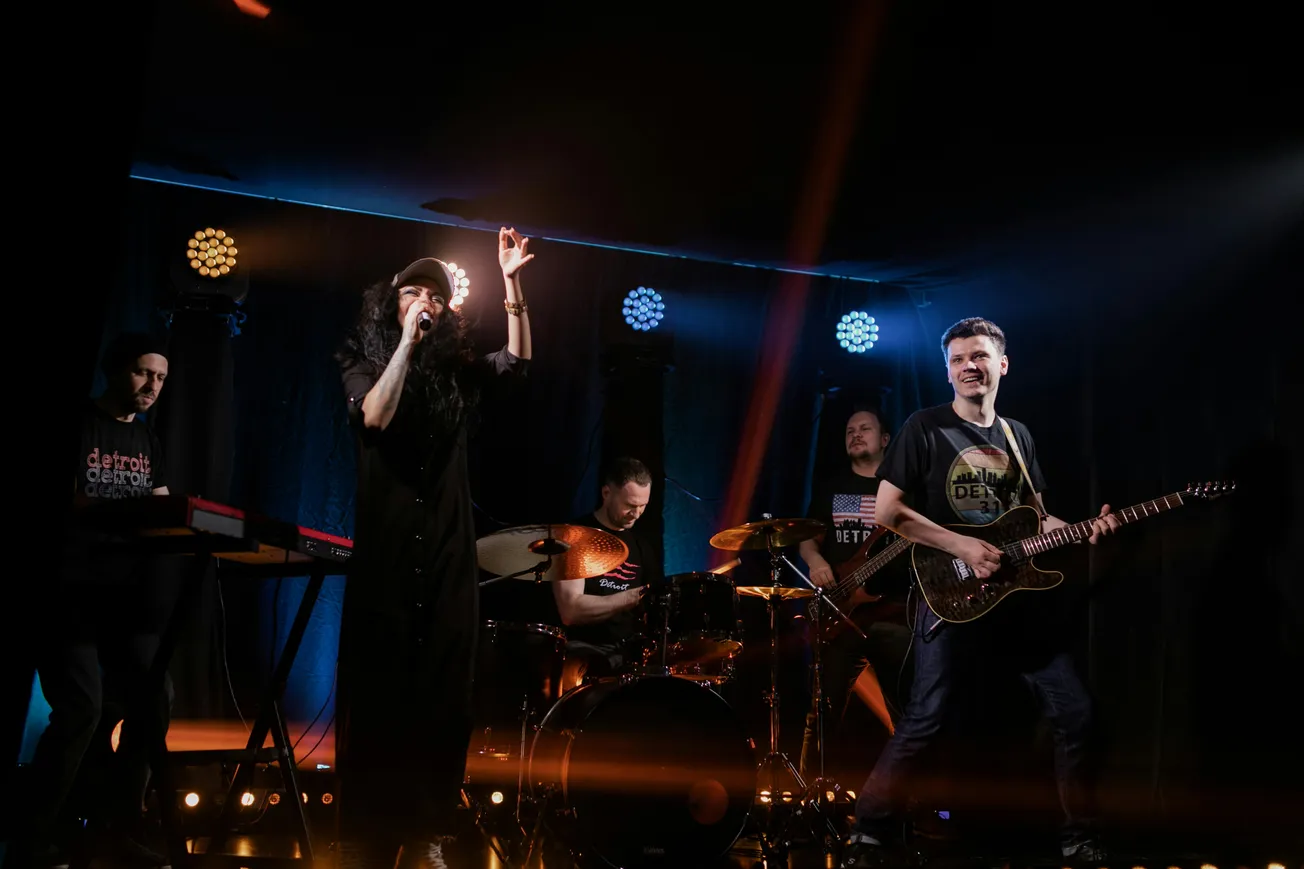
- Don’t take pics of an empty dancefloor. Can't stress this one enough. Nobody knows it was the first song of the night. They see what they see and you want every pic in some way to make people think — “I wish I was there” vs. "I'm glad I stayed home."
- Don’t be creepy. Make it obvious you’re taking pics and let people know to check your Facebook page (or wherever you’ll post them). The last thing you want is to zoom in on a random couple making out who aren’t even engaged in your show.
- Sign up for an email provider. Choose a free one (like Mailchimp) where your point of entry is low, but it’s easy to use.
- For now, just set up your initial Welcome Email. Show a little personality and let people know what to expect and where they can connect with you. Ideally, you’d set up an automated Welcome Series that will walk your new subscribers through a series of ‘get to know you’ emails. More on that in another post.
- Grab a piece of paper, place it on a clipboard and label it “Email Sign Up”. Have three columns — Name, Email Address, Venue.
- If you want to go electronic, you should display the signup link/URL that will lead fans directly to your signup form. (Or use a service like Text to Join to be able to capture people’s emails).
- Design your gig cards/post cards with your next few shows listed and your most up-to-date social media page. If you want a template, you can email us at leonard(at)indiebandcoach.com with the subject line “Gig Card Template” and I’ll send you a template you can use (free, no opt-in).
- Make sure you or someone in your band has a decent camera (or just a charged smartphone) ready for your next gig. The picture quality doesn’t have to be pro, but a well-lit action shot will go a long way.
- After the gig, post the pictures in an album on Facebook, tag any people you know, definitely tag the venue, and encourage people to tag their friends.
- Enter whatever emails you’ve collected into your provider including the venue in which they were collected. It may take some customizing of your signup form at some point, but you’re well on your way to building your fanbase.
Related articles