

Music discovery is hard. It's hard to make the experience enjoyable, but more importantly, it's hard getting the general public interested in spending the time to flip through music. Bandcamp announced and debuted the "Discoverinator" which not only fails at worthwhile discovery, it fails at branding. Its a terrible name thats jokey and forgettable. The discoverinator may be the most recent misstep, but it's just the tip of what's wrong with music discovery as a whole.
If you read Bandcamp's post, whose service I adore, about the new discovery tool they say all the right things, but testing it out only results in the thought, "This is it?" They mention that there's no good way to browse, they bring up the old feeling of wandering record stores, but what they give you is lackluster at best and a waste of time at worst. Not to try and pick on Bandcamp, because again, I do love what they're doing, but I would like to offer up some suggestions for music discovery and solicit you to leave your recommendations in the comments as well.
Music discovery starts off with the listener either wanting a lot of control over song selection or basically none.
Pandora sky rocketed to fame for a few reasons, one of which was because they played what the listener wanted to hear with very little effort. Songza is another service gaining steam and following in Pandora's footsteps, trying to reimagine the radio and make the experience magical in its ability to "guess" what you want to hear based on your mood. This is how the vast majority of people want to discover music. They're used to the radio telling them some things that are popular right now and then repeating it until you begin to like it. The other side of the coin is those who want to dig in and have a say in the discovery process, this is usually for time's sake. We, including myself here, want to find our next favorite band so we can then move on to the next favorite after that. It's what we do.The Discoverinator falls short in its simplicity.
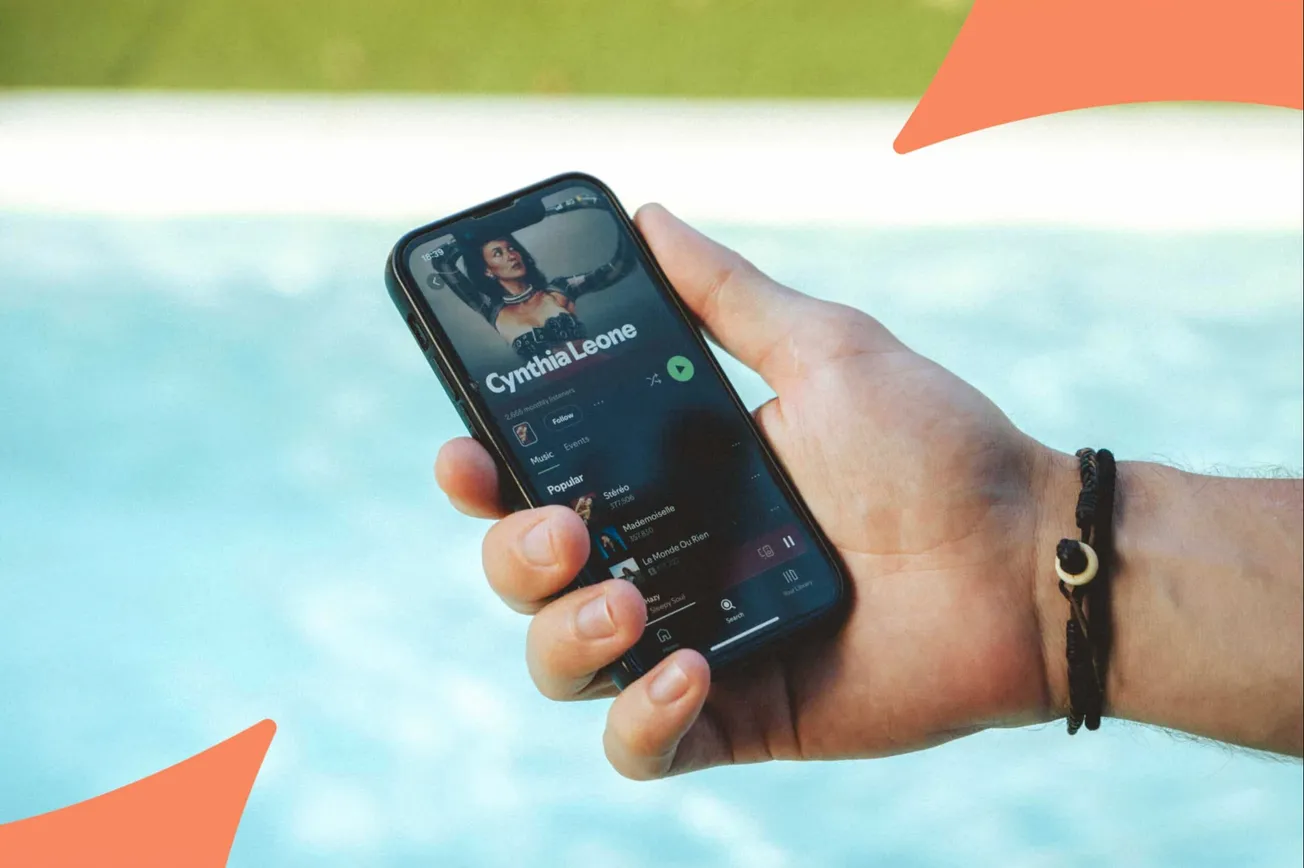
Being too simple, though seemingly good for the causals, results in poor discovery. When enough criterial isn't met, you have a much harder time actually finding something that fits your style. That's why having several different discovery aspects and an accurate related artist search helps tremendously. Spotify's "related artists" tool that shows up once you select an artist is one of the best and most actuate that I've found. I'm not sure how they come up with the results they do, but using it has resulted in more than a few bands I'd call my favorite. Once you have a band in mind finding similar artists is magical.If you don't have an artist in mind, having trusted recommended suggestions is another tool that has proven effective. Reputable and popular music sources likeNPR, Pitchfork
, and other music sites picking their "must hear" on a regular basis is a perfect way to solve this. Curated music, though costly in time, is one of the few ways I've found to please the majority of people. Thoughtfully hand picked music gets back to what it was ever all about, taking something that moved you and sharing it with someone else in hopes of moving them. Both improving related artists using Bandcamp's service and hand picked, curated recommendations would greatly add value to the site's lacking discovery option.How do you discover music and how do you try to pass it along to others?
MORE: BandCamp Launches New Music Discovery Engine: The Discoverinator
Tyler Hayes is a regular contributor to Hypebot.com and founder of Liisten.com, an independent music discovery site.