

_______________________________
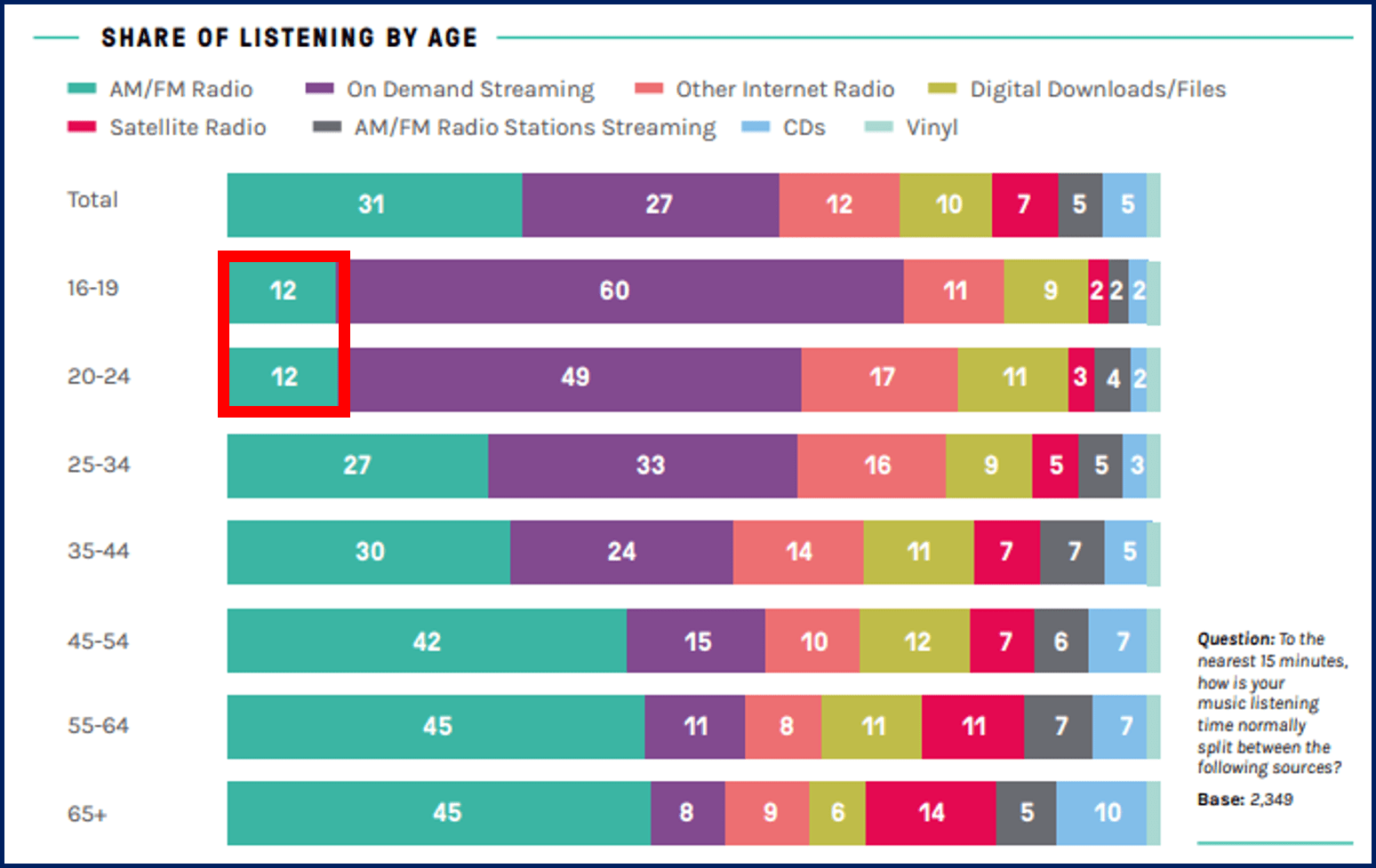
Guest post by Fred Jacobs of Jacobs Media StrategiesOver the decades, a lot has changed in radio. The industry's technology has exploded – “software” has moved from albums to CDs to hard drives. Music is scheduled by computers, not with index cards. Air personalities routinely connect with listeners via social media sites, not just at remotes. And now, consumers can access radio stations on phones, tablets, and smart speakers. Radio time is now sold programmatically. And on-demand has become a fact of life, spurring a flurry of podcast activity.That's a lot of change over the years, forcing radio veterans to adapt to changing technologies – new content and distribution outlets. Yet, there's one aspect of the radio broadcasting industry that hasn't changed one iota:Radio's addiction to the 25-54 year-old demographic.The age-old excuse – “That's what advertisers want” – has become a mantra that virtually every broadcast radio programmer faces. Bonuses are based on this target audience, research has become focused on this 30-year age span, and wins and losses are measured by where stations rank on its yardstick. For the 35 years I've been consulting stations in the “rock family” – Classic Rock, Mainstream/Active, and Alternative – in diary and later PPM markets, the 25-54 ratings are for all intents and purposes, the only demo that matters.
See the Results of Radio's Largest Online Survey
Over 500 radio stations and 64,000 listeners participated in our 2018 Techsurvey. The results reveal how radio listeners are using new technologies.
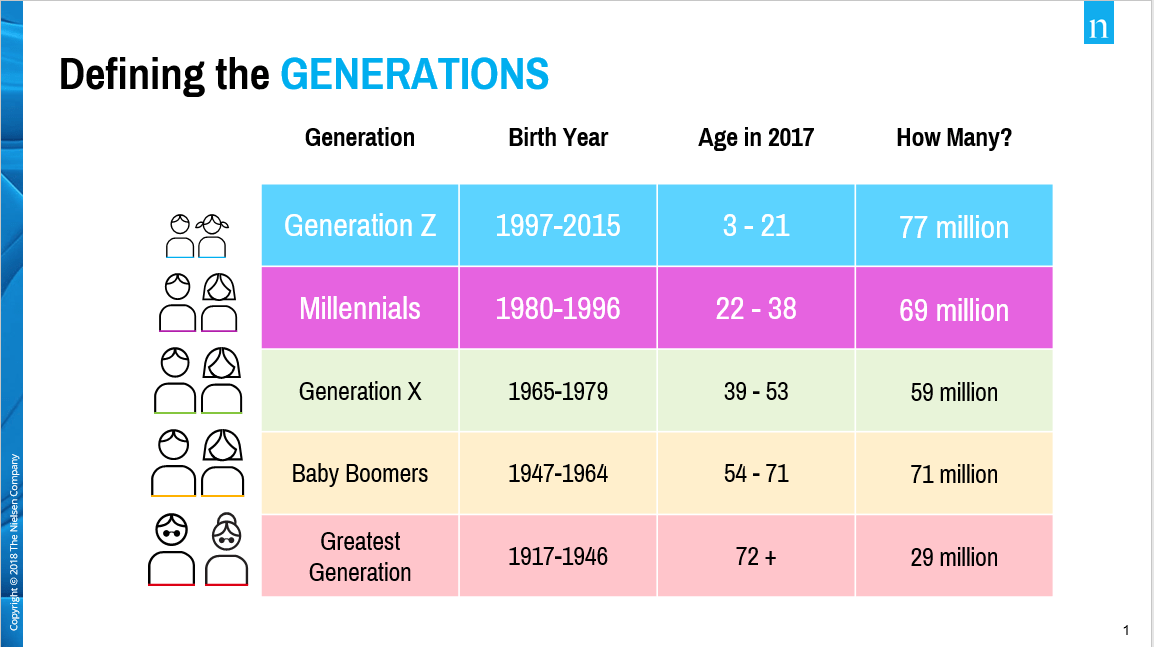
That “logical leap” to 35-64 that many have theorized about over the years has never happened, despite the fact that as Baby Boomers aged, their spending on homes, cars, medical, and travel has only accelerated. And as a result, broadcast radio surrendered its Soft AC, Smooth Jazz, and Oldies stations to SiriusXM and streaming pure-plays.Despite it all, Classic Rock and Classic Hits have had banner ratings results these past 5 years – designated as the “formats of the summer” by Nielsen – both are on the “endangered formats” list because of their organic, unstoppable appeal to those 55+, and therefore useless to radio marketers and sellers.But enough about aging Boomers who are now card-carrying members of AARP. Let's take a look at their grandchildren. Here are Nielsen's latest population estimates, broken out generationally:
Generation Z
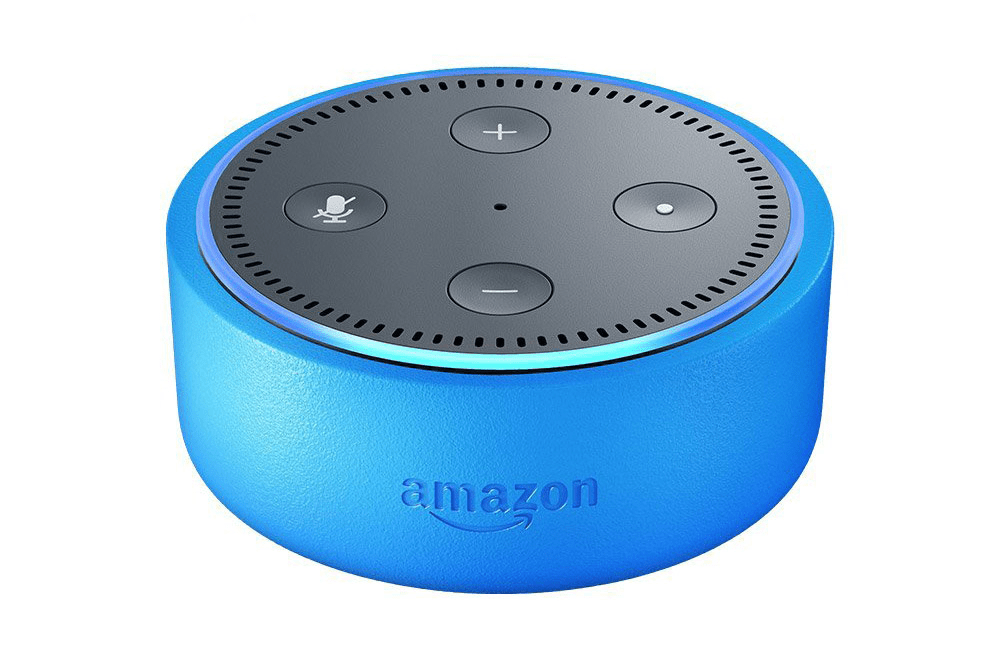
These consumers – 3-21 year-olds – are already the largest generational group of them all. At 71 million strong, they are an up and coming, formidable consumer spending force. They're a big reason why companies from many industries are already talking, planning, and brainstorming both strategies and tactics designed to win them over.Radio for Gen Z? That oft-claimed “93% reach” number isn't even close. Many kids simply don't know what a radio is. And by the time they're old enough to drive, that SUV in the driveway will pair their phones, providing them access to media and entertainment from the Internet (or satellite) service of their choice – platforms they're comfortable with and have grown up with.Amazon gets it. Their colorful Echo Dot for Kids product is designed to teach kids the “Alexa language.” As toddlers learn how to access content on the platform, they will become fluent in a second language – Alexa-ese making it seamless for them to make purchases and access entertainment as they grow up. It's a brilliant strategy that's future focused. Yes, Amazon is trying to make its Q4 numbers, but they're also focused on 2020, 2025, and beyond. By the way, this Amazon Echo Dot For Kids product retails for the not-so low low price of around $70- more than twice the price of the comparable Dot being marketed to the rest of us.