


By Hammad Adil
When guitarists prepare to play live, the discussion will inevitably centre on the fun side of it: what amp to carry, what pedals to carry, whether to carry 10s or 11s, and whether the time has come to change the strings. All of these are important considerations for your gear.
However, what most performers fail to understand until they are on stage with the light shining on them and an audience is that the little, ugly details of your guitar rig can either make or break your performance.
Let’s look at the overlooked parts of a guitar setup that can affect your live performance. These do not qualify as the glitzy issues that gear magazines feature. They are the real-world, on-the-job particulars that distinguish a stressful performance and a relaxed, confident one.
Tuning Stability
You can get the most amazing sound ever extracted from an amplifier. But when you can hardly keep your guitar in tune over one song, then it is all the same. What the audience hears is not your well-thought-out overdrive; it is sour notes.
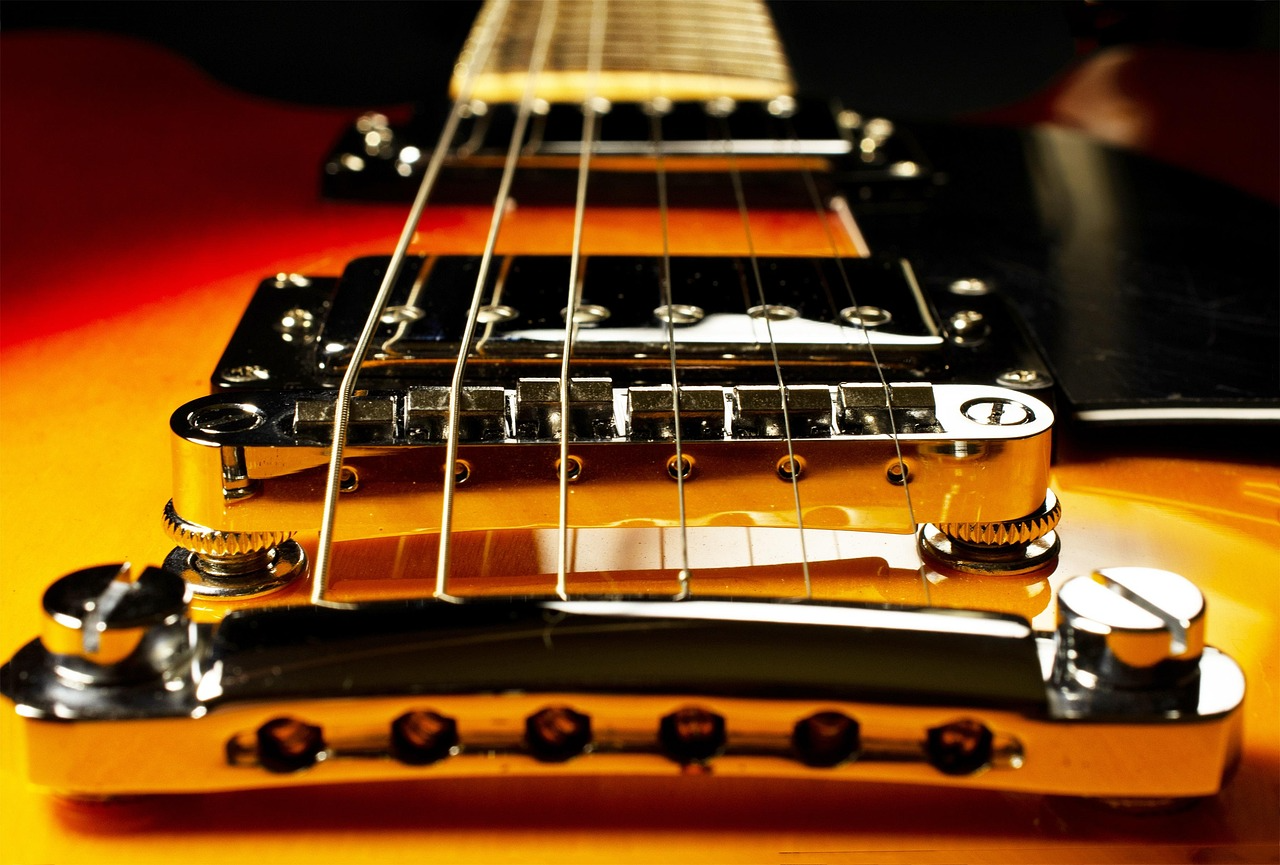
The friction points matter just as much. When strings catch and bind anywhere along their path, especially at the guitar nuts, they'll go sharp during bends and refuse to return to pitch afterwards. A poorly cut or unlubricated nut is one of the most common culprits behind on-stage tuning nightmares.
That's not bad tuning machines doing that. That's setup oversights catching up with you mid-song.
+Read more: "The Research Explaining How Performance Anxiety Starts Before a Show"
The Nut and Bridge: Small Stages, Huge Impact.
These are some of the smallest features on a guitar, but they have a huge effect on performance.
Key points:
- Nut slots that are too narrow bind strings, causing pitch issues.
- Loose strings at the nut can buzz or rattle.
- A well-cut, lubricated nut ensures smooth bends and consistent tuning.
Even a drop of lubricant in each slot, done in seconds, can make a noticeable difference in tone and playability.
Pickup Height and Balance: Your Secret Tone Controls
You will lose hours of your life adjusting amp settings and pedals. But when did you last actually think about how high you are picking up?
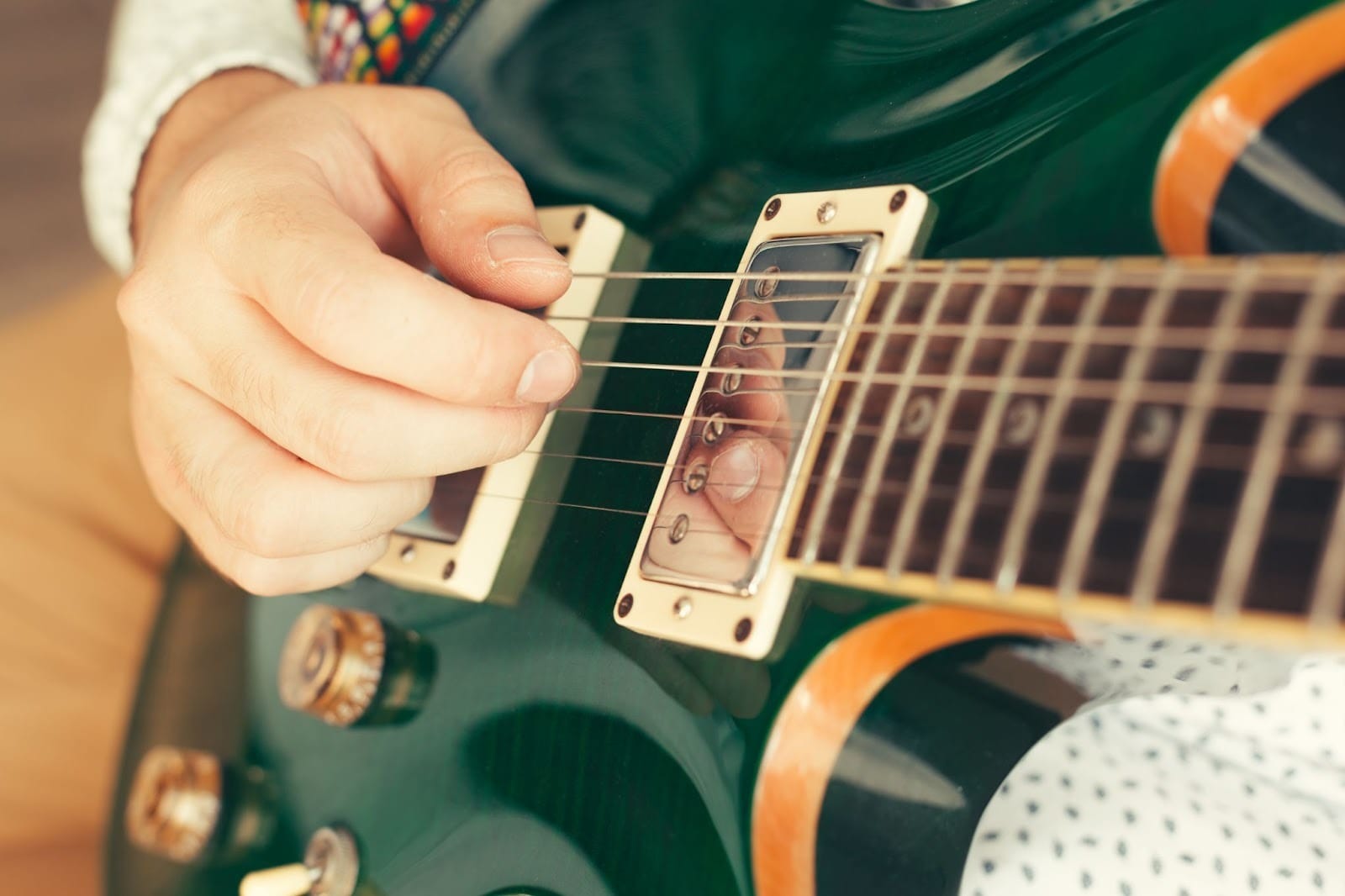
Pickups are not magnets that are attached to your strings. They are sensitive to detecting each nuance of your playing. Their position in high or low in comparison to the strings is basically the basis of your tone.
The balance is where the magic exists. Adjusting individual poles is necessary to ensure the strings have approximately equal volumes. That is critical on stage, where the unequal response of strings results in lumpy solos and rhythmic sections that do not seem to exist.
This modification does not feature in the setup checklist of most players. But seasoned techs and player critics are aware that it is one of the most effective tweaks. You think your pickups have more tone than they actually do. It can be unlocked by proper height adjustment.
Action, Intonation, and Neck Relief: The Feel Factor.
The height of your strings above the fretboard (action), correct intonation, and proper neck relief all affect playability, tone, and sustain.
Actionable tips:
- Set action for comfort and accurate fretting.
- Check intonation along the fretboard.
- Adjust neck relief to match stage temperature and humidity.
These three adjustments work together to make chords chime, bends sing, and solos feel natural.
+Read more: "Bands Need to Do More Than Just "Play the Album" Live — Here's Why."
Security on Cables and Straps
Cable control is boring as compared to discussing vintage amps or fancy pedals, yet a loose cable snatching at your ankle in the middle of the song is enough to ruin your show in a second. A messy pedalboard can easily cause you to trip mid-performance. All it takes is a strap button that loosens during your set, and your guitar crashes to the floor.
They are not hypothetical issues. They occur continuously in players who do not consider the fundamentals.
Minor Accessories With Mega Effect.
Some accessories do not receive the respect they deserve. They appear to be too easy to bother with until the time comes when you need them and realize you do not possess them.
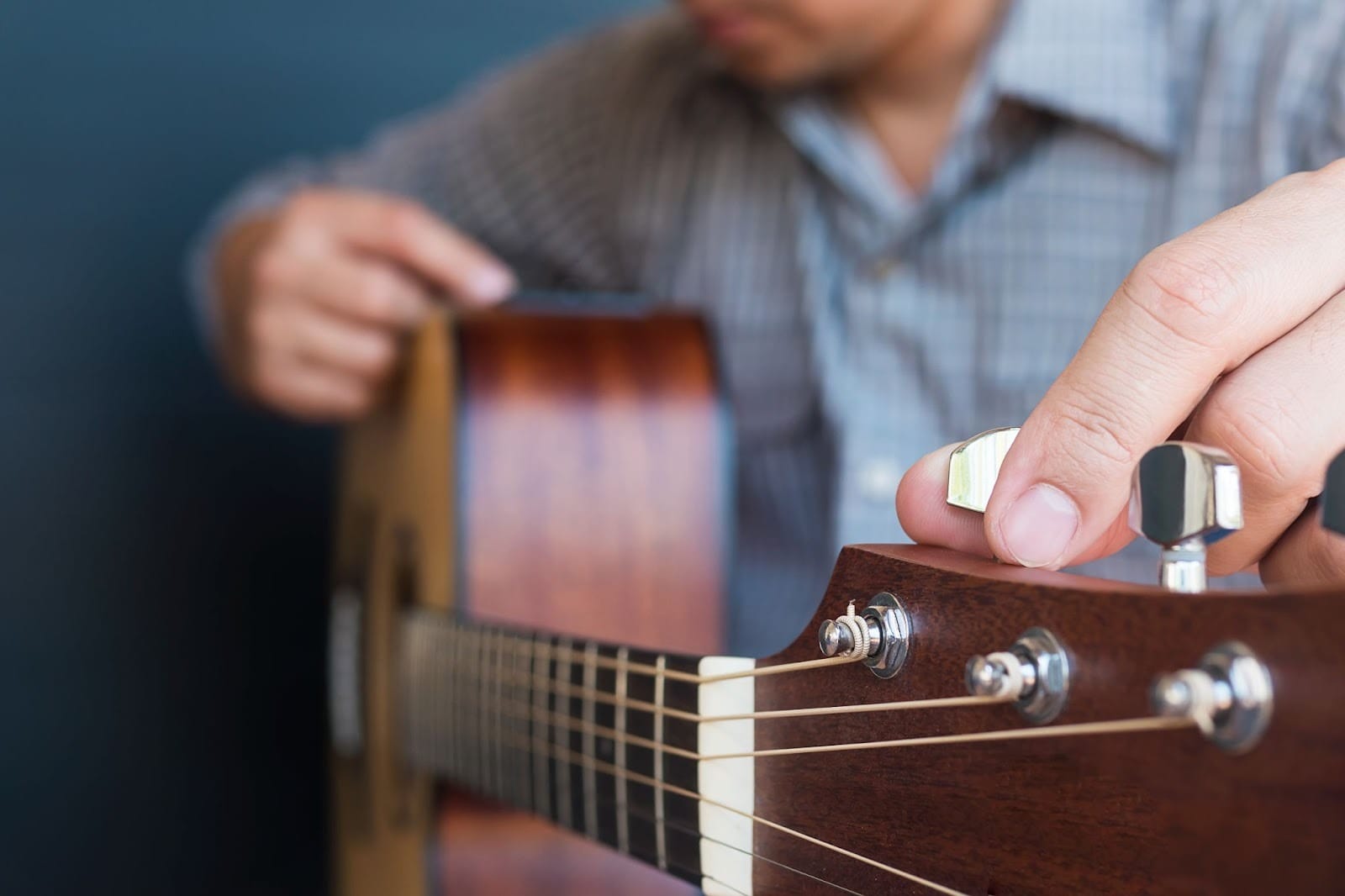
Quality choices directly influence your attack, control, and consistency. But numerous players pick up whatever they find and never consider the effects of the pick's thickness and material on the sound.
Capos should be treated better, as well. A low-priced, badly made capo adds fret buzz, murderous clarity, and in general causes your life to be more difficult. An effective capo is a quiet worker and will not be in your path. That is what an accessory was meant to do.
Climate and Environment
This is something that almost everyone does not consider until it is too late. Your guitar is a piece of wood with some metal components, and it constantly reacts to its surroundings.
Everything is affected by changes in temperature and humidity. Wood expands and contracts. Metal shifts slightly. Tuning changes. Action changes. Differences between rooms and your guitar can be observed and heard.
A guitar that sounded great in your practice room, where all the conditions are controlled, may act totally differently on stage, when it's hot, and there are damp people present. The neck relief you had punched in last week may not be appropriate in the conditions this evening.
Putting It All Together
Your audience hears two things: tone and confidence. Both depend on small setup details.
Remember:
- Amps or pedals cannot fix bad tuning.
- Properly adjusted action, pickups, and nuts ensure consistent performance.
- Secure cables and straps prevent mishaps.
Once all components work in harmony, you can forget your gear and focus solely on the music.
Next time you perform, do not plug in and hope. Check your tuning stability. Inspect your nut and bridge. Verify your pickup heights. Check your cables and strap locks. Take new batteries and a good tuner. Consider the place you are playing and the weather conditions that could influence your instrument.
You have to pay attention to the minor details. They put you in a better light than you are. Being a live performer does not only mean being present and engaging your audience. It is about being prepared in a real sense, taking whatever comes along, and staying in control until the final note. It is what professional setup thinking brings you. And that is when the music actually occurs.
If you’re serious about getting the best out of your guitar, upgrading your hardware can make a real difference. High-quality components like bridges, tuners, and nuts from trusted brands such as Guyker help improve tuning stability, tone, and overall performance. Investing in reliable parts ensures your instrument performs consistently — whether you're practising or playing live. Explore Guyker’s range to give your guitar the upgrade it deserves.
Hammad Adil is a professional musician, guitar technician, and content writer who specialises in live performance optimisation and instrument setup. He helps guitarists improve tone, playability, and stage confidence through practical guidance and actionable tips.