


______________________________
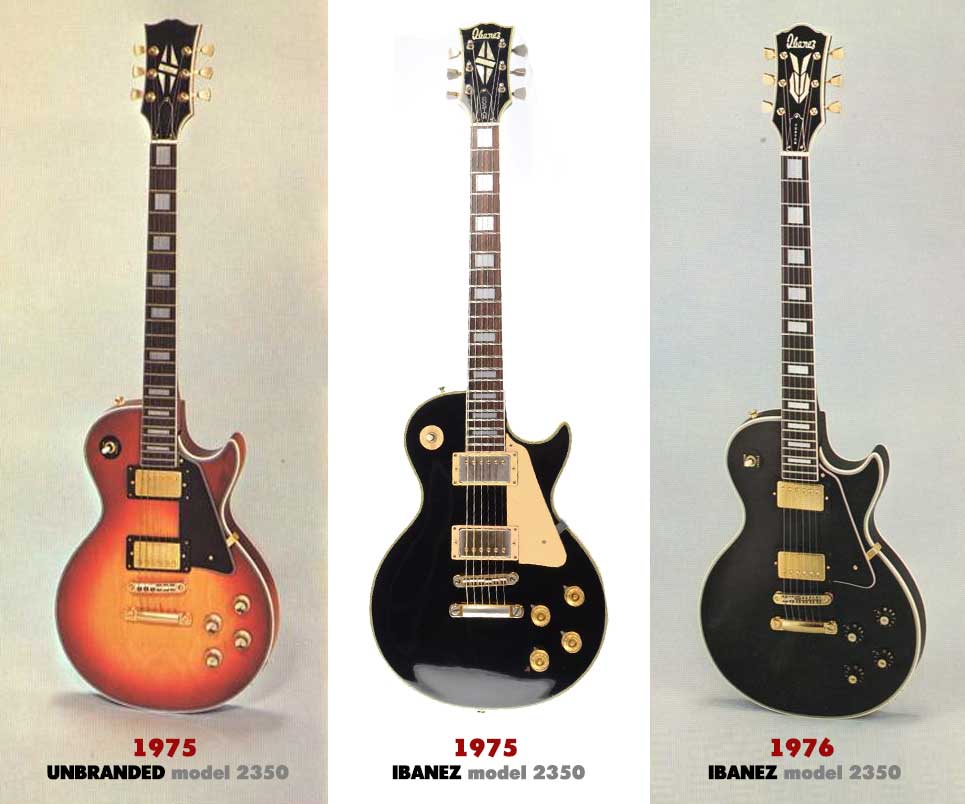
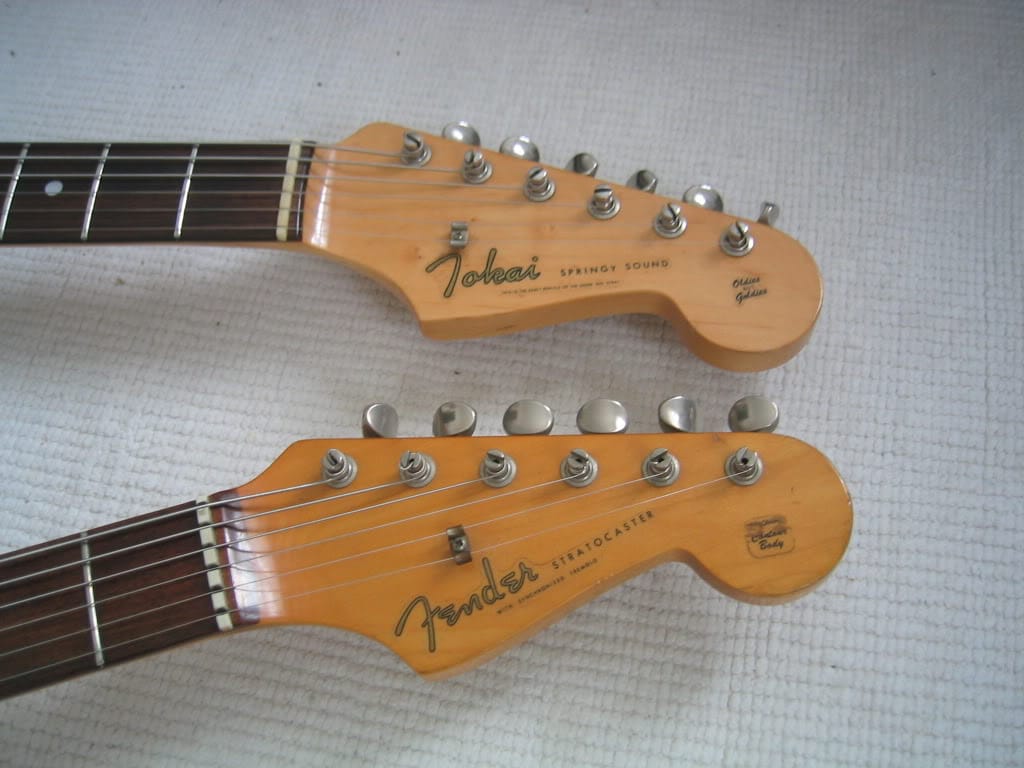
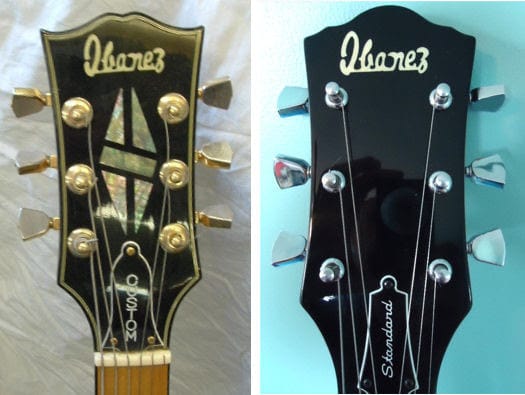
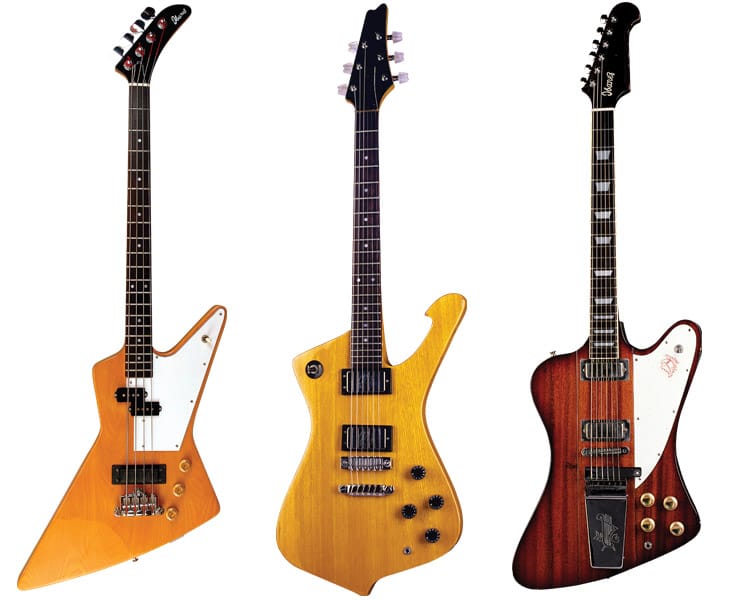
Guest Post by Elyadeen Anbar on Soundfly's FlypaperWelcome to 6String Minutes. In this segment, we’ll uncover the truth about Japanese “lawsuit” guitars imported to the United States from the mid-1970s on. Gear hunters and enthusiasts around the world all claim to have seen them, but the true story may shock you.*(* If you happen to be plugged into an ungrounded amplifier and touch metal.)Let’s take a journey back to the ’70s. Guitars and guitar-based rock ‘n’ roll music had reached a level of popularity that would last well into the early 2000s.While heavy riffs and searing solos dominated the airwaves, the quality manufacturing of the classic instruments synonymous with the culture — guitars like Gibson’s Les Paul and SG, Fender’s Stratocaster and Telecaster — was beginning to decline significantly from a production standpoint. The careful attention to detail, superior parts, and meticulous craftsmanship diminished, while price tags remained high.Harry Rosenbloom, owner of Medley Music in Bryn Mawr, Pennsylvania, made his living selling handmade instruments. Sensing the domestic guitar market’s downturn, however, Rosenbloom’s company, Elger Guitars, became the sole North American distributor for Japanese guitar manufacturers, Hoshino Gakki Gen.+ Read more on Flypaper: Did you know that guitar designer and electronics innovator Les Paul actually pioneered home-based pirate radio? Learn more in “Les Paul: Pirate of the Airwaves.”Hoshino began importing classical guitars from a small, Spanish guitar maker named Salvador Ibáñez in the ’20s to sell in Japan, and went onto launch their own brand under the name Ibanez, inspired by the imported guitars in 1935. Rosenbloom, sensitive to the domestic hostility towards Japanese products still prevalent in the late ’60s, used this as the brand name for his imported guitars. In 1971, Hoshino became profitable enough to purchase Elger Guitars from Rosenbloom and officially changed their name to Ibanez, USA.Ibanez achieved US success when it began manufacturing copies of classic Fender, Gibson, and Rickenbacker guitars in the late ’60s. While Gibson and Fender guitars declined in quality, Japanese copies were, at least visually, markedly on par with the American originals.
Related articles