

By Melanie Santa Rosa, President of AIMP New York
There is something magical about a great song. It can trigger a memory, set the scene for an iconic TV or movie moment, or fill a room with people singing the same chorus without even knowing why it hits so hard. Songs are the connective tissue of our culture, yet the people who write them remain some of the least visible and least understood figures in the music business.
That invisibility is not new. But the streaming era has made it feel permanent.
One of my fondest memories was awaiting a new release just to scour the vinyl sleeve or crack open a CD booklet to see who was responsible for writing the songs. That ritual was part of how I connected with music beyond the artist.
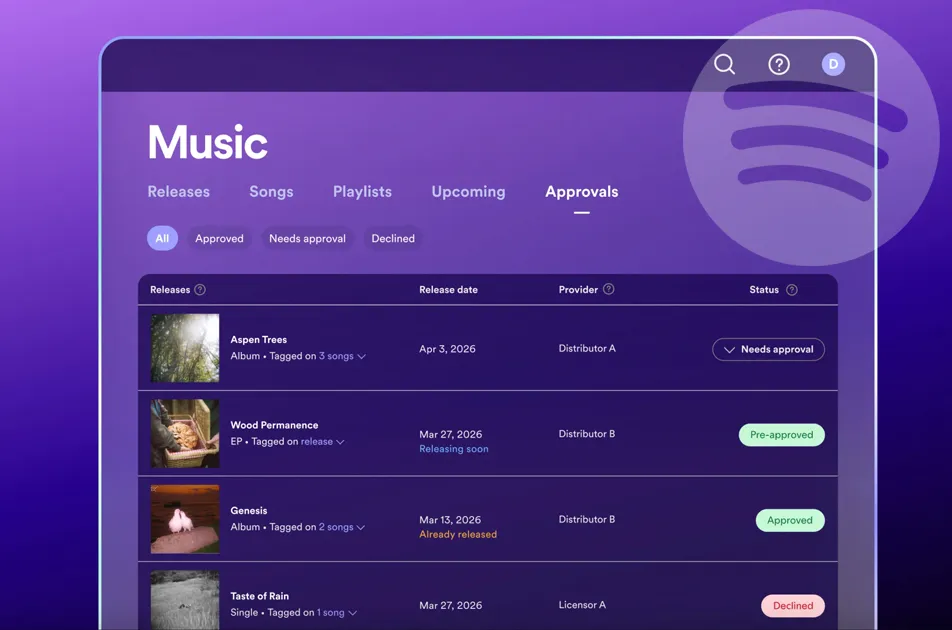
In this digital age, we don't have that same tangible medium anymore. There are no liner notes to pore over, no label copy to study. Credits exist on streaming platforms, but finding them requires an active search, and in an era built for immediate consumption, most listeners never take that step. Because releases move so quickly, a song can come out before that credit information is even fully finalized.
That information is provided to DSPs by the label or distributor, and because publishers are not part of that delivery chain, they often have little visibility into missing or incorrect credits until after the fact. The pace of digital releases means a song can reach millions of people before a songwriter’s name is properly attached.
There have been initiatives to address this, like DSP songwriter pages and pushes for more accurate and visible credits. But they are working against both infrastructure and listener behavior. We are drawn to the hook, the artist, the moment, the face of the song, not always the story of who built it.

+Read more: "The music business is splitting in two. Here’s why songwriters are reinventing their role"
The income picture is more complicated and far more consequential. Songwriters earn when their compositions are used. That means sync placements in film, television, ads, and video games, covers, remixes, samples, songs pitched to artists for recording, or a social media viral moment that breathes new life into a song and introduces it to a whole new generation. It’s why songs are evergreen.
But streaming, for all the volume it generates, has not translated into fair income for the songwriter. The publishing share of streaming revenue remains disproportionately small compared to the master, even though the composition is where it all starts.
"When you are a songwriter and not the artist, your craft is how you earn, and that income comes from the usage of your songs."
There are also income streams songwriters simply do not have access to if they are not also the artist. They don’t earn from touring or merchandise. Live performance royalties exist, but that system depends on accurate setlist reporting, and if an artist covers a song on tour, a songwriter may never even know it happened, let alone collect.
This is a big part of why independent publishers play an increasingly important role in supporting songwriter careers. When you are a songwriter and not the artist, your craft is how you earn, and that income comes from the usage of your songs. An independent publisher actively works that catalog, pitching for sync opportunities, pursuing licensing deals, identifying creative samples and covers, and finding every avenue to get those songs heard and compensated.
Beyond the business side, independent publishers often function as true career partners for songwriters who don't have the platform or resources to advocate for themselves in a system that was not built with their visibility in mind.
Organizations like the Association of Independent Music Publishers (AIMP) are working to change that, and it's why I've dedicated my career to be a part of that change.
Across all chapters, the focus is on education, community building, and industry transparency, helping to demystify the rights landscape for both emerging and established music publishers and songwriters. Our programming and events bring together publishers, songwriters, attorneys, and other industry professionals for meaningful conversations and connections. AIMP works to ensure the people who write the music and the people who champion it have the knowledge and resources to navigate an increasingly complex business.
That work extends beyond education. The Music Modernization Act is one example and it didn’t happen by accident. It took organizations across the industry, including AIMP, uniting around a common goal to fix how songs are licensed and paid in the streaming era.
As President of the AIMP New York Chapter, this is work I think about every day. Every June, we host the Global Music Publishing Summit. It’s a one-day event bringing together industry professionals from across the music publishing community for the honest, necessary conversations that move the industry forward. It is one of my favorite days of the year because the room is full of people who genuinely care about getting this right.
For those of us who are music lovers at heart, knowing who created a song, who inspired it, who was in the room when it was written, is part of what makes music meaningful. It's why we care about accurate metadata and visible songwriter credits. It's why we want the people behind the music to be known.
Songwriters are our unsung heroes. Their songs shape our memories, our culture, and our emotional lives. The hope for the future is an industry where their visibility and fair compensation are simply the norm, not something that has to be fought for.
Because without their songs, it really is just silence.
AIMP's 2026 Global Music Publishing Summit is happening in New York City from June 8-9, 2026. Learn more here.
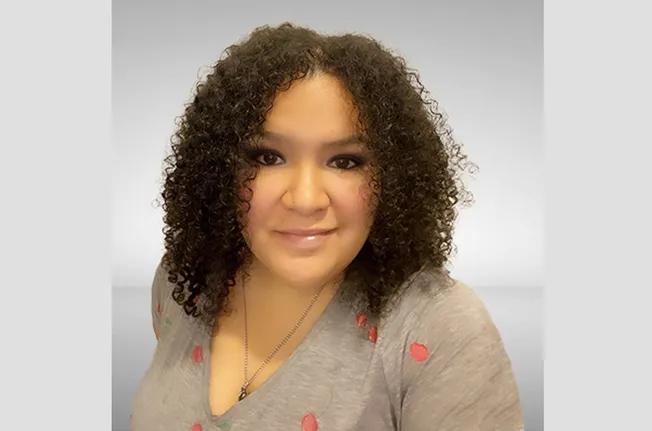
A committed advocate for independent creators, Melanie Santa Rosa serves as President of the Association of Independent Music Publishers (AIMP) New York Chapter and mentors emerging professionals through the Recording Academy, AIMP, and Symphonic Distribution. Melanie also oversees global copyright operations at Third Side Music, managing the rights of a diverse roster of artists and catalogs.
Founded in 1977, the Association of Independent Music Publishers (AIMP) is a non-profit organization dedicated to serving the needs of independent music publishers and their songwriting partners. With active chapters in New York, Los Angeles, Nashville, and Atlanta, AIMP provides vital education, advocacy, and networking opportunities that help ensure the long-term health and visibility of the independent publishing sector. AIMP serves as a trusted voice in industry conversations, with a focus on supporting songwriter rights, promoting fair business practices, and fostering innovation in an ever-changing music landscape. Through educational programming, professional development, and community-building initiatives, AIMP uplifts independent voices across all facets of music publishing.