


Currently most video and audio advertisements are passive – either they catch your interest or they don’t – but new rumblings from TikTok suggest the company will soon be implementing advertisements using augmented reality, which could be a game-changer for multiple industries.
Guest post by Bobby Owsinski of Music 3.0
Healthcare, education, commercial real estate, and retail are just a few of the industries that appear to be on the verge of major disruption in the wake of COVID-19. There’s another one that appears to be headed that way as well, but it has nothing to do with a virus. That’s advertising and it may be coming by way of a surprising source – the video streaming network TikTok.
A somewhat under-the-radar post in Digiday outlined a new augmented reality format planned by the streaming network that will be tentatively called the “AR Brand Effect” ad. This will will allow TikTok users to add interactive visuals supplied by advertisers to their videos.
According to Music Business News, TikTok is currently advertising for engineers with experience in immersive design and engineering, real-time graphics rendering, or gameplay development. The ads indicate that new hires will join the TikTok AR Effect team and “will create innovative augmented reality effects and experiences on mobile devices for TikTok.”
Now think about this for a moment – current audio or video ads are passive. Either something catches your interest or it doesn’t, and most of us generally would rather quickly pass over an ad instead of consume one.
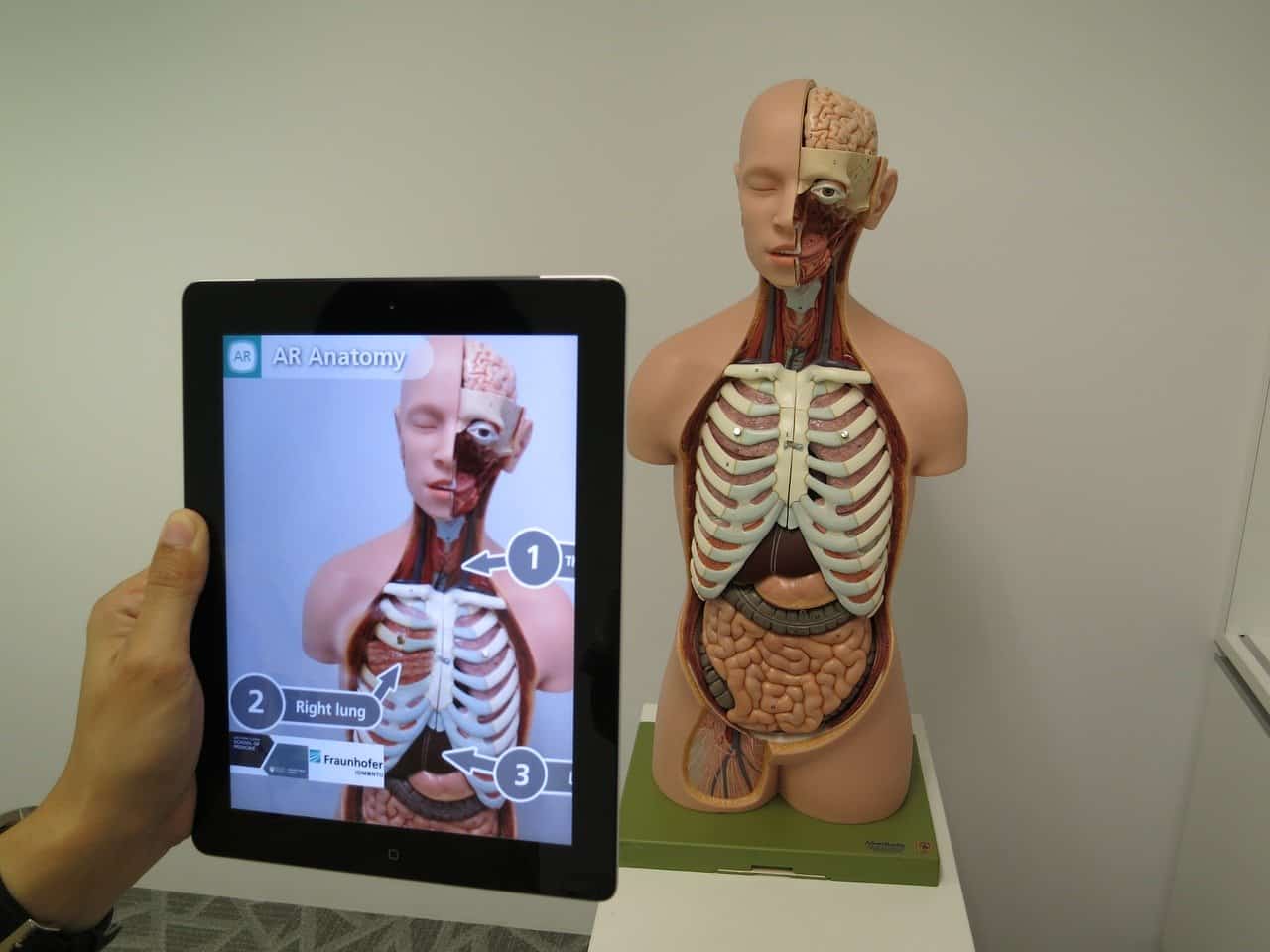
Imagine if the ad was interactive and required your participation to run. Wouldn’t that be better for both you and the advertiser? You would be consuming something that you truly wanted and the advertiser would be sure it’s getting its money’s worth. On the very lowest level, this is a win for everyone.
But things get much more interesting on TikTok since it’s already an interactive medium. Most users become creators trying to either create or recreate memes they see on the platform. Give them the ability to implant AR effects, even if they come from an advertiser, and it takes things up several notches. Imagine the viral possibilities.
From an advertiser’s perspective AR is a dream come true. Seeing a product in a third dimension is just as effective as a sales technique if the product is a garden hose or a Mercedes C series, and keeping a viewer’s interest for a longer period with a greater intensity is something that former Mad Men only dreamed about.
AR Brand Effect ads look like they’re not that far off either, with reports stating that TikTok expects them to launch in Q3 of 2020. That said, augmented reality ads are already possible with Snapchat’s Lenses, and are said to be coming to Instagram’s Augmented Reality filters as well.
Then there are the reports that TikTok is also rolling out a new ad format to prominent influencers that lets creators attach a call-to-action button to their videos. The significance here is that it will then link directly to the advertiser’s or an ecommerce site. A combination of this and AR ads might be just the thing to excite influencers who have complained about limited revenue opportunities on the platform.
My money is on TikTok to show the way in AR advertising not only for the music industry, but advertising as well. It may very well be the perfect platform to launch a disruptive technology like this and not have it seem like a gimmick, depending on how it’s implemented. It has users who like to experiment, and influencers who are looking for new ways to generate revenue. It’s the obvious next step for a platform that needs it.