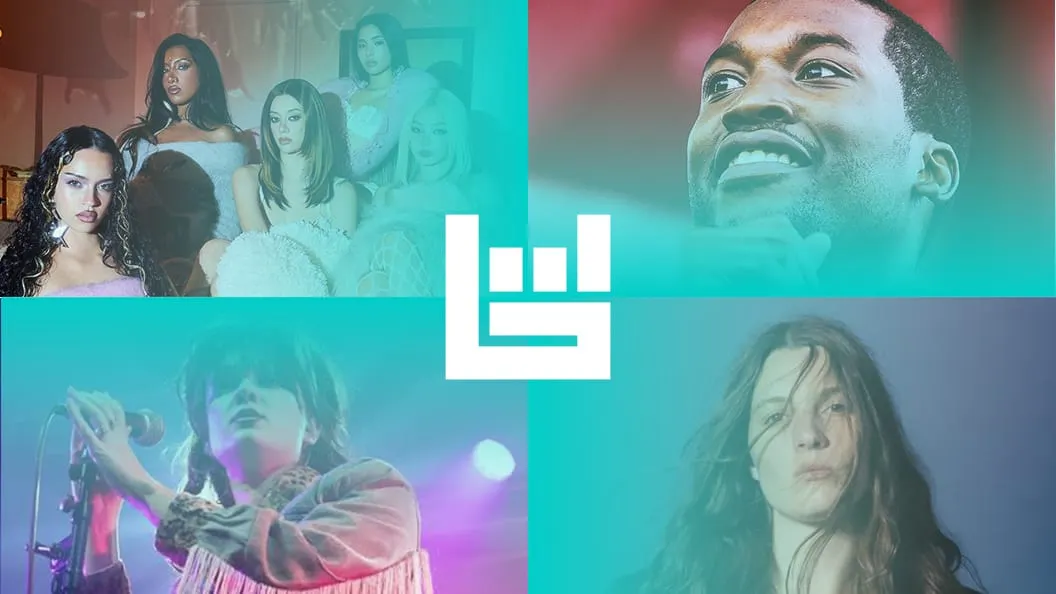


Our Touring Radar series looks at newly announced tours and live events that stand out not simply because they can generate headlines, but because they offer a glimpse at where live music may be heading.
Here are six tours that showcase why and how there is more than one way to build demand.
Touring Radar is supported by Bandsintown tour data.
1. Cleo Sol — The quiet ascent reaches Madison Square Garden
After selling out three nights at Radio City Music Hall, Cleo Sol is moving into arenas with The Gentlewoman Tour. The routing begins at Madison Square Garden and now includes newly added debuts in Boston, Detroit and Houston. The compelling story is how Sol has reached this level without adopting the constant-content, maximal-exposure model normally associated with arena growth. Scarcity, patience and a fiercely committed audience can still scale.
2. Jhené Aiko — Turning an album into an arena-sized world
Jhené Aiko’s 37-date Ark to Agartha: A Westside Whimsy Experience sounds more like an immersive production than a conventional album tour. H.E.R. appears on select dates, with Swae Lee and Karri across the run. It follows a completely sold-out 2024 arena tour built around an album that was already nearly five years old — a reminder that catalog longevity can be a stronger touring asset than release-week momentum.
3. Sasha Keable — A first world tour that is actually routed like one
The British-Colombian singer Sasha Keable’s first headline world tour covers 31 dates across Europe, the UK and North America, moving through carefully chosen clubs rather than making an overambitious leap into oversized rooms. It is a strong case study in turning digital and cultural momentum into real market-by-market evidence — and in treating support artist EJ Ross as part of a consistent touring package rather than an interchangeable opener.
4. Haute & Freddy — Can theatrical intimacy survive bigger rooms?
The duo, Haute & Freddy's Bigger Disgrace Tour follows sold-out dates with Coachella, Primavera Sound and a substantial North American theater run. Their stated goal is to preserve the strange, intimate magic of the smaller shows while increasing the spectacle. That is the live-development question worth following: how does an act scale production and capacity without sanding away the thing that made people care?
5. Saba and Pivot Gang — Touring as collective infrastructure
Pivot Gang’s All My Friends Tour is its first outing since 2019 and its longest headline run yet, but the more meaningful anchor may be the annual John Walt Day hometown concert honoring late member Walter “John Walt” Long Jr. The tour shows how a collective can preserve its shared identity even as individual members develop separate careers — and how a recurring community event can keep the larger project emotionally grounded between release cycles.
6. Grace Potter — A 48-date tour that reinvests locally
Grace Potter’s Trespasser Tour begins in her home state of Vermont, visits theaters and clubs across the country, and directs $1 from every ticket to her Grand Point Foundation, which supports artists and arts access in rural Vermont. The donation is modest on an individual ticket but meaningful across 48 shows — and offers an achievable model for connecting a national tour to a specific local music ecosystem.
The One We’ll Be Watching: Cleo Sol
Every Touring Radar edition ends with one artist who represents a larger industry question. This week, it’s Cleo Sol.
Cleo Sol feels like the most resonant story right now. Plenty of artists can generate visibility; far fewer can turn selective appearances, limited access and deeply held fan trust into an arena tour. The jump from three Radio City shows to Madison Square Garden, the United Center, Scotiabank Arena and the Kia Forum is substantial — but it does not feel artificially accelerated.
Her career suggests that withholding can still be a growth strategy in an industry obsessed with feeding the algorithm.