


From A&R to Stagehands: The Jobs AI Is Replacing in Electronic Dance Music
By Florence Amoroso of Midnight Rebels
We used to think the future of work was predictable: robots would do the heavy lifting, and humans would do the creative, brainy stuff.
But in 2026, artificial intelligence has completely flipped the script. We are right in the middle of a massive “white collar purge.” AI is quickly wiping out entry-level office jobs, completely gutting the bottom of the corporate ladder. At the same time, a “blue collar purge” is happening as physical robots finally catch up to the software, threatening manual labor across the board.
If you want to see exactly how this looks in real life, just look at the electronic dance music (EDM) industry. EDM is a world where digital creativity meets massive, sweat-drenched physical events. Today, AI is replacing humans on both sides of that equation.
The Hit List: Who Is Getting Replaced?
To make things incredibly clear, the AI takeover isn’t just a vague threat. It is targeting specific roles. Here is a breakdown of the jobs actively being replaced in the music industry and beyond.
White-Collar (The Office and Studio Crew)
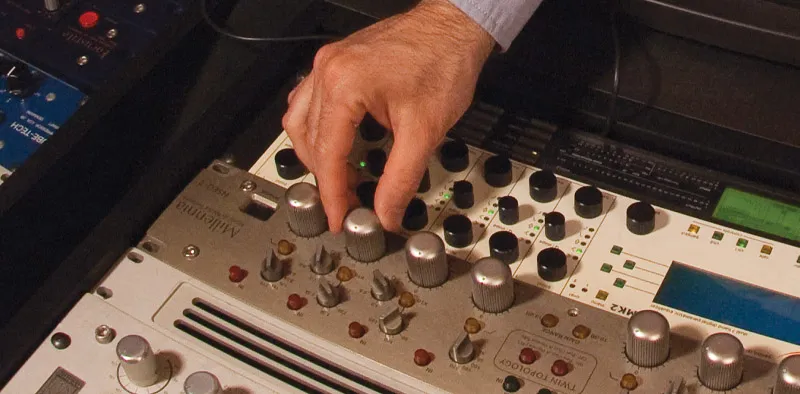
- Junior Audio Engineers & Mixing Assistants: AI tools can now clean up audio and balance a track in minutes, making junior studio roles obsolete.
- Ghost Producers: Why pay a human ghost producer when an AI can generate a mathematically perfect, release-ready club track for pennies?
- A&R Scouts & Label Interns: Record labels now use algorithms to scan TikTok and Spotify data to find new artists, bypassing the need for human talent scouts.
- Music Marketers: AI is now writing press releases, running social media, and creating ad campaigns. More than half of freelance digital marketers believe AI will soon replace human marketers.
- Tour Managers & Booking Agents: Agentic AI is stepping in to autonomously handle complex travel bookings, schedule changes, and guest communications.
- Accountants & Financial Reporters: Routine financial reporting and bookkeeping for labels and venues are being handed over to automated software for a fraction of a human’s salary.
Blue-Collar (The Live Event and Physical Crew)
- Touring Truck Drivers: Autonomous, self-driving freight trucks are starting to haul massive festival stages and lighting rigs across the country.
- Stagehands & Riggers: Automated rigging systems can move stage pieces without human help, and new humanoid robots are being built to handle heavy construction tasks.
- Lighting Technicians: AI networks now sync stage lights perfectly to the music and crowd energy, removing the need for an army of manual operators.
- Security Guards: Festivals are replacing human patrols with autonomous security robots, thermal cameras, and drones.
- Festival Bartenders & Hospitality Staff: Robotic bartenders and AI-driven service systems are taking over drink stations and VIP hospitality to cut down lines and overhead.
+Read more: "The Digital Purge of Queer Dance Music Collectives on Instagram"
The Algorithm as the New A&R
Historically, an Artist and Repertoire (A&R) scout was a tastemaker hanging out in dark clubs, trusting their “gut feeling” to find the next big DJ. That era is over. With around 100,000 new tracks hitting streaming platforms every day, finding talent is now a rigorous data science.
Major dance labels like Spinnin’ Records and Steve Aoki’s Dim Mak rely heavily on AI scouting software. These programs use machine learning to filter through thousands of demos by genre, location, and viral popularity before a human ever listens to a single beat.
The entry-level intern who used to sift through SoundCloud links? They are gone. The modern A&R person is basically a data analyst staring at a dashboard.
Ghosting the Ghost Producers
EDM has always relied on a dirty little secret: ghost producers and junior engineers pulling all-nighters to make big DJs sound good. But generative AI is making these studio jobs pointless. Modern AI audio tools can isolate vocals and spit out a perfect master track in minutes.
A huge 2026 survey found that 58% of music creators already use AI to clean up their audio. But producers aren’t just worried about losing their jobs — they are terrified of the music losing its soul. A massive 77% of producers say their biggest fear is a flood of generic, robotic “AI slop” ruining the scene.
And it’s already happening. Look at the fully AI-generated band Velvet Sundown, or “imoliver,” a guy with zero musical talent who just signed a major record deal because his AI-generated tracks got millions of streams.
The Blue Collar Purge Hits the Main Stage
You might think live music is safe from algorithms. You can’t code a physical festival stage, right? Think again. The blue-collar purge is hitting live events hard through advanced robotics and driverless logistics.
Every massive festival needs a fleet of trucks to haul gear. But with autonomous, driverless trucks hitting the highways in 2026, the traditional touring truck driver is facing obsolescence.
Once the gear arrives, the physical setup is next. At a recent major broadcast in China, humanoid robots performed backflips and complex martial arts live on stage. As these robots become cheaper, it’s only a matter of time before they replace the human crews building the giant rigs at Coachella or Tomorrowland.
Automated systems from companies like CyberMotion are already moving massive stage pieces without human hands.
+Read more: "9 Non-Generative AI Tools Artists Can Use to Get More S#*t Done in 2026"
Post-Human Security and Lighting
Even the chaotic job of managing a festival crowd is being handed to machines. The industry calls it “post-human automation.” Companies like Knightscope are deploying autonomous security robots to patrol festival grounds. Combined with drones flying overhead and AI predicting crowd crushes before they happen, human security guards are being pushed out of the picture.
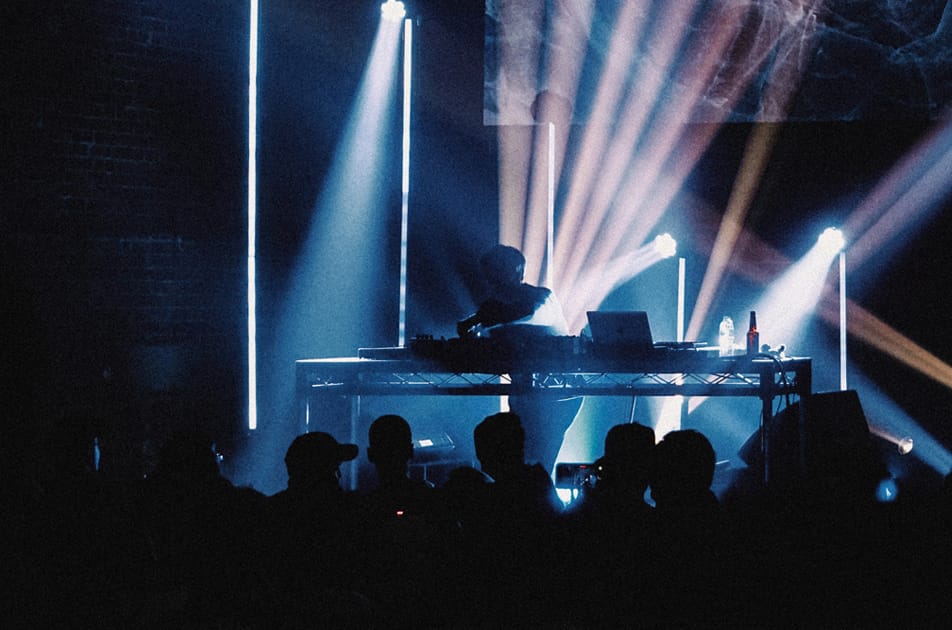
What about those breathtaking light shows? AI is handling that, too. Smart stage lighting now uses machine learning to adjust power usage and shift moving beams based on the crowd’s energy — making dozens of mid-level lighting technicians totally unnecessary.
The New Industry Hourglass
The music industry of 2026 has been reshaped into an hourglass. At the very top, you have elite DJs and creative directors who use AI to work faster. At the very bottom, you have a small group of specialized technicians who maintain the robots.
Everyone in the middle — the junior audio engineers, the truck drivers, the marketers, and the A&R scouts — has been wiped out by the AI wave. The future of music is highly synthetic, and devastatingly efficient.
Sources & Further Reading
- Spinnin’ Records: Finding Hits via AI
- Sonarworks: 2026 Human Producer Survey
- Pony.ai: Mass Production of Autonomous Trucks
- Presear: AI for Festival Crowd Safety
- IDC: Agentic AI Redefining Industries
- Nexford: AI’s Effect on the Global Job Market
Florence Amoroso is a freelance 3D visual artist and DJ/producer specializing in the deeper spectrum of electronic music.