

By Adam Lewis of Planetary Group,
Conventional wisdom might look at today's industry and say: "radio is dead" and "streaming is king."
If you’re talking Top 40 radio, it’s clearly become better at amplifying artists than introducing them. Meanwhile bands seem to go viral out of nowhere, earning big hits on streaming.
But how many viral acts go on to have a career?
I run a college radio promotion agency marking its 30th year of introducing new artists to college and non-commercial radio. These days, I’m being approached by artists who may not have grown up owning a radio, who are now eyeing that medium as their entry point.
Why Now?
As Music Technologist Emily White shared on her Substack, Gen Z is looking for something beyond the algorithm. She writes:
"Gen Z has been caricatured as the 'doom-scrolling generation.' But several students emphasized to me that they desire more substantial and hands-on experiences as an antidote to the loneliness and passivity fostered by algorithm-driven platforms, especially in the wake of the pandemic."
They’re tired of Spotify serving them playlists. They want to make their own. They’re discovering college radio stations filled with new music, where volunteerism and reporting to the national chart is increasing at the 300+ stations we’re talking to every week.
It wasn’t long ago when anyone could get their own show on a college radio station. Now aspiring curators need to angle for their airtime.
Radio Is More Than Audio
For artists, it’s not just getting the airplay; it’s about relationship-building through airplay which leads to in-studio performances.
As Jeremy Young explains right here on Hypebot, Non-Com powerhouse KEXP has nailed the art of the in-studio performance. Angine de Poitrine is a client who just used their radio performance to achieve their first major breakthrough. But many other stations offer well-produced in-studio performances as well, like KCRW, WFUV and NPR’s World Cafe.
We maintain a list of these stations’ recent client features on our website.
When artists approach college radio, programmers do not care what label you’re on. Two thirds of the college charts are labels you’ve never heard of! They don’t care how many streams you’re getting or how many followers you have on social. You can compete here.
+Read more: "NTS Thrives in the Spaces That Streaming Leaves Behind"
Radio Generates a Real Fan Base
We have a client with over a billion streams, who can’t sell out a club show in Los Angeles – or on any of their US dates. They could buy a house with their streaming revenue – but they can’t tour. It’s a big fall off the expectation cliff when you go viral without the fan base to sustain you when the streams taper off.
That’s if you’re lucky enough to catch a viral wave at all. Most up-and-coming artists don’t, and quickly learn they can’t compete on Spotify and socials.
But college radio is where the true fans live. The early adopters. The people driven by passion. The programmers and listeners increasingly volunteering their time and attention because they love new music. It’s the last level playing field where a small artist can be played next to an established one.
Start Local, Scale National
If you’re DIY’ing it, begin with the college radio stations in your area. It’s a smaller pool where you can test the market, build relationships and see how you’re received. Research the stations, reach out to them directly and ask for their music directors.
When you’re seeing results, go national. It’s time to think about hiring someone when your target station pool increases from a handful of locals to calling and emailing 300 every week. Learn how it’s done, then shop for the right professional so you’re not taking too much time away from booking shows or writing new music.
Promotion firms like ours love when a client has already played the game in their home market, done well and appreciates what it takes to scale. A good promotion firm knows which stations play what, and which are being run in the most professional manner. There’s no AI shortcut to that knowledge and those relationships.
Key Tips for DIY Artists
Host your release on a service that allows stations to stream and download if they like what they hear. The Disco platform is the industry standard. You can host .wav files, artwork, bio, lyrics and more.
Draw music directors’ attention to three to four “focus tracks.” Keep them on the shorter side. No one needs an opus yet! Make sure none of the songs have profanity. Send edits.
Provide RIYL (Record if You Like) suggestions: a list of similar artists (be honest!) that will help stations understand who you are before they listen.
Tell the stations your tour dates. Many have concert reports and want to help promote shows. They also like going to shows!
Canada has college radio stations, too! Send it to the U.S. and Canada at the same time because they all report into the same NACC chart.
Conduct your station outreach on Wednesdays. Send material to all target stations at the same time, because they all decide what music to add on Mondays and Tuesdays. Reaching them Wednesday gives them the whole week to process it in their system.
Follow up on Fridays, Mondays and Tuesdays by phone and email. Emails will be your best bet. Mentally prepare yourself to have lots of emails not returned. But you will reach some! You’ve got a six-week follow-up window for your EP, and a two-month follow-up window for your LP.
When they support you, always send a thank you note.
+Read more: "Where the Heck Did the Mainstream Go?"
The EP or LP Is King: Not the Single!
It may be hard to believe in what’s thought to be a singles-driven era, but you will have the best results at college radio if you send an EP or an LP. College radio stations want those more than singles. They’re all about discovery and playing multiple tracks.
Remember: you’re making fans of the band – not the song. College radio makes fans because it’s the exact opposite of Spotify and “going viral.” The EP/LP is the star.
Look at a single as an ice-breaking tool. Send one out a month prior to the EP or LP. You won’t get much airplay, but programmers will know and recognize your name when they receive your EP/LP.
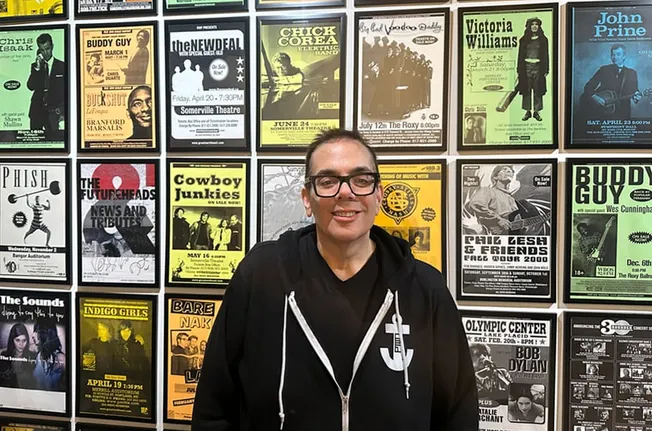
Adam Lewis owns Planetary Group, a college radio promotion agency nobody thought would survive 10 years, not to mention 30. Himself included!