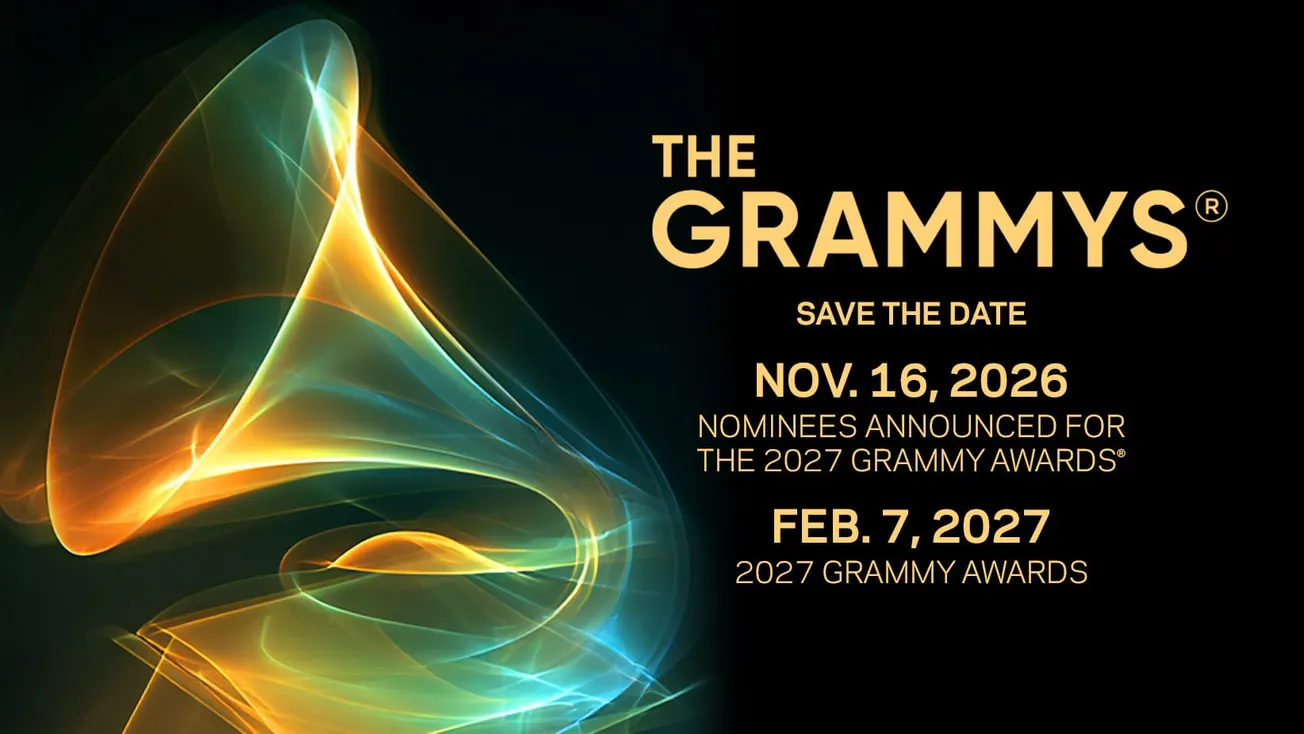



The Recording Academy has officially unveiled a fresh set of rule updates and new categories ahead of the 69th Annual Grammy Awards, scheduled to broadcast live on Feb. 7, 2027.
Reflecting an ongoing effort to keep up with a globalized, rapidly evolving music ecosystem, CEO Harvey Mason Jr. shared that the changes aim to "speak to the breadth of today's music industry and the many genres, crafts and creators shaping it."
From expanded recognition for songwriters to lowered thresholds for album eligibility, here is a breakdown of the key changes.
Five New Grammy Categories for 2027
The Academy is expanding its genre recognition to better reflect global and niche music markets. The five new categories are:
- Best Asian Pop Music Performance: Recognizes artistic excellence in Asian pop (including K-pop, J-pop, and C-pop) that makes meaningful use of one or more Asian languages.
- Best R&B Collaboration or Duo/Group Performance: For contemporary R&B collaborative works and established duos/groups. (Note: Because of this, the existing Best R&B Performance category will be renamed "Best R&B Solo Performance").
- Best Traditional Pop Vocal Performance: Spotlighting singles and tracks that fit a traditional pop style that cannot be intermingled with current mainstream pop forms.
- Best Traditional Folk Album: Dedicated to albums of traditional folk recordings. (Note: The former Best Folk Album category is now renamed "Best Contemporary Folk Album").
- Best Latin Song: Awarding songwriters for newly written Latin songs that feature at least 51% Spanish lyrics.
Major Voting Process Updates: Introducing 'Ballot Plus'
One of the most significant shifts for Academy Voting Members is the introduction of Ballot Plus.
- What it is: An opt-in alternative to the traditional 10/3 voting structure.
- How it works: It allows Voting Members with diverse, multi-genre expertise to vote in up to 15 peer-related Categories, regardless of the Field.
- The Catch: Members must submit verified professional credits by a specified deadline to prove their expertise. Those who don't opt in or meet the verification criteria will stick to the standard ballot.
Album Eligibility, Best New Artist & Songwriter Recognition
Along with the new categories, several overarching guidelines have been tweaked to adapt to modern release strategies and career trajectories—which is great news for independent creators.
- Album Eligibility Threshold Lowered: The amount of newly recorded material required for a release to be considered an eligible "album" has been reduced from 75% to 66%. This provides much-needed flexibility and prevents widely recognized new albums from being disqualified over technicalities.
- Best New Artist Submissions Expanded: Artists can now be submitted for Best New Artist up to four times (increased from three). The category guidelines have also been refined to better define an artist's "impact" during the eligibility period, reflecting the longer, slower build of modern artist development.
- Digital-Only Releases Recognized: Internet-only releases are now fully eligible in the Best Album Notes and Best Historical Album categories, provided the required additional materials are included in the commercial digital download.
- Increased Songwriter & Composer Parity: Songwriters and composers of new material on winning genre albums will now receive actual Grammy statuettes and Achievement Certificates, placing them on equal footing with Producers and Engineers.
Read the complete updated Grammy rulebook at Grammy.com
Hypebot's Bottom Line: Takeaways for Independent Artists
These rule changes show a clear push by the Recording Academy to accommodate how music is actually made, released, and discovered today.
For independent creators aiming for Grammy recognition, updates like the 66% album rule, the extra submission allowance for Best New Artist, and true trophy parity for songwriters offer flexibility and more avenues to finally get on the ballot.