

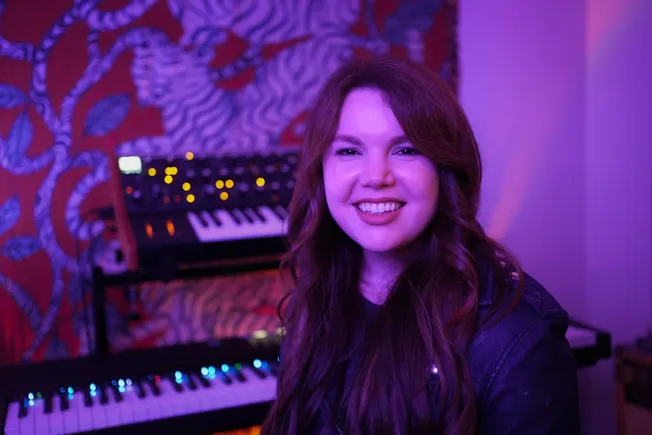
By Claire Donzelli of Clarity Music Marketing
Like many independent artists, none of my music has ever been added to Spotify’s editorial playlists. Despite several hours editing each song’s pitch into perfection, hitting the submit button on Spotify for Artists felt like chucking my music into a black hole.
So when I discovered there was a robust world of third-party playlists out there, I took matters into my own hands and went on a DMing frenzy, pitching my music far and wide to anyone who’d listen.
After growing a playlist network of my own years later, I look back on some of the things I did and said and shudder. Now that I’m on the other side of the inbox receiving artists’ pitches, I see my own mistakes reflected back at me every day. Despite the best intentions, much of the playlist pitching advice passed around by artists is misguided.
So, here are a few things I wish I knew when I was pitching my music to playlists, from an artist-turned-marketer-turned-curator.
One personalized pitch is worth more than 100 generic ones
I used to think playlist pitching was a numbers game. I’d always customize the name of the curator and playlist I was pitching to, but it wasn’t enough to set me apart from the hundreds of carbon copies curators received. While including this information in your message helps cut down the guesswork of sorting your song into the right playlist, adding one more piece of relevance will make you stand out more than you think.
If there’s another artist on the playlist you resonate with or sound similar to, or something about the curator’s platform or social media posts you enjoy, mentioning this will take you further than a hundred copy-and-paste pitches ever could.
The first sentence of your pitch is the most important. If you misspell a curator’s name or say something filler like "hope you’re doing well," your message may never see the light of day. This was something I didn’t execute particularly well when I was pitching my own music, and plenty of those DMs are still sitting unopened in curators’ inboxes.
Write like you talk
I receive plenty of pitches that sound mechanical or stiff, and unfortunately sent my fair share of them, too. When the music’s full of personality but the pitch sounds like it’s written from the same template as everyone else, artists are shooting themselves in the foot.
Before you send another pitch, read it out loud: Does it sound like something you’d actually say?
Ditch ChatGPT and Claude and record a voice memo of how you’d describe your song to a friend. You can always run it through spell check or AI to clean it up, but in a world where everyone’s using them for the first draft, sounding more you is a cheat code.
+Read more: "9 Live Music Marketing Trends Selling Out Shows In 2026"
Take your pitch and cut it in half
Nothing scares a curator off faster than opening their inbox and seeing a massive wall of text, even if its contents are thoughtful and well-written. It’s easy for anything longer than a few sentences to start looking like an essay, especially on mobile.
Go through your playlist pitch word by word and trim anything that could be removed without it interfering with the meaning or tone of your message.
Believe what you see, not what they say
Not every playlist is worth your time, and some of them hurt far more than they help. Early on, I took what curators said at face value more than I should have. Take advantage of free sites and resources like artist.tools, where you can copy and paste the URL of any playlist to see if there’s a risk of bot activity.
Now that I’m working on the marketing side and pitching other artists’ songs, I refuse to take any risks. I’ve taken it a step further by asking curators how they’ve grown their playlists, sometimes requesting screenshots of Spotify for Artists stats of a song that’s on it. All it takes is one botted playlist for a distributor to flag your song, so if something feels fishy, trust your gut and do the detective work. Your music is worth it, and authentic curators will understand.
Your community is more valuable than anyone's playlist
This probably sounds odd coming from someone who's built a 50,000+ follower playlist network, but those listeners belong to Spotify. When I was actively releasing music, I spent more time hunting for playlists than I probably should have when my biggest supporters were right in front of me, commenting on my posts, joining my email list, and starting conversations about my music.
Playlists are a great way to reach new listeners, but you can build something of your own that encourages people to come back and engage more actively. Whether it's social media posts that spark comments, a Substack with stories about your music, or a playlist of songs with other artists in your community, fans who resonate with what you’re doing are more important than getting added to a thousand playlists.
If there’s one last thing I wish I could’ve told myself back when I was pitching my music, it’s that you shouldn't take it personally when you don’t hear back, or when you're not a curator’s cup of tea. Take it from a curator. The bigger the playlist, the more pitches a curator gets, and the harder it is to keep up with them.
Don’t let someone's full inbox shape the way you feel about your music. Keep creating and relentlessly pitching to curators, because there’s an audience out there that needs to hear it.
+Read more: "You Released the Song. Now What?"
Claire Donzelli is the founder of Clarity Music Marketing, a Los Angeles-based agency helping artists, labels, and creative brands grow through release strategy and audience development. Through her agency and 50K+ follower playlist network, she’s led national PR and advertising campaigns and helped hundreds of artists expand their fanbases. She also created Clarity Indie 50, a rotating editorial feature spotlighting emerging independent artists.