

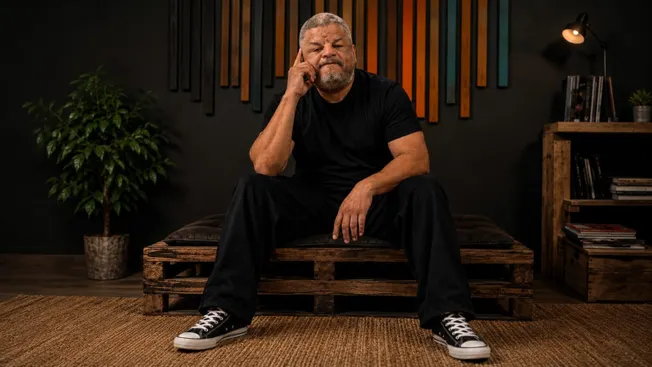
By Michael T. Neely, CEO of Global Music Conference & XS10 Magazine
Artificial Intelligence has pushed music-industry conversations toward consent, disclosure, and labeling. Those issues matter, but for independent artists they are only the beginning.
When a dispute actually occurs, the decisive question is often not whether something felt unauthorized. It is whether the artist can document what was agreed to, what was created, what changed, who controlled the relevant files, and what money moved.
That is where many independent creators are exposed. Major labels, publishers and platforms may have legal departments, rights-management systems and internal audit trails. Independent artists often have text messages, scattered emails, cloud folders and informal verbal agreements. In an AI-driven environment, that is not enough.
The U.S. Copyright Office has already identified digital replicas as a serious policy problem and has recommended federal protection against unauthorized replicas of a person’s voice or likeness. Its broader AI initiative also addresses copyrightability and generative-AI training. These developments reinforce a practical lesson for creators: rights are easier to defend when the underlying evidence is organized before a conflict begins.
Learn more about the U.S. Copyright Office AI initiative here.
Here are five records every independent artist and small music team should keep.
+Read more: "'Human-First' Is a Promise Nobody Can Check (Yet)"
1. A written record of consent — and its exact scope
“Permission” is too vague. If an artist allows a producer, label, platform, or AI company to use a vocal, likeness, composition, stem or dataset, the record should state exactly what was authorized.
- Was the voice approved for one song, one campaign, one model-training purpose or unlimited future use?
- Was the consent exclusive or nonexclusive?
- Could the material be sublicensed?
- Could a synthetic version of the artist’s voice be created?
- Could that replica be used in advertising or commercial releases?
Independent creators should preserve the final signed agreement, relevant emails, platform terms in effect at the time, and any later amendments. If permission is changed or withdrawn, retain that record too. A dispute over AI use can turn on one sentence buried in a contract. Keeping the full consent trail makes that sentence easier to find and interpret.
2. Source and provenance records
Artists should preserve the original source files behind their work: raw vocal takes, multitrack sessions, stems, project files, lyrics, dated demos and exports. The goal is not merely backup. It is provenance — evidence of where a work came from and how it developed.
The Coalition for Content Provenance and Authenticity, or C2PA, has created a technical standard for recording the origin and editing history of digital media through Content Credentials. The standard is designed to make provenance information tamper-evident and verifiable.
Learn more about C2PA Content Credentials specification here.
Independent musicians do not need to become technical specialists to benefit from the underlying principle. Keep originals. Keep dated versions. Preserve metadata where possible. Do not overwrite every earlier file with the newest mix.
3. Version history
AI tools can produce dozens or hundreds of iterations quickly. That speed creates a new documentation problem. If a producer uses generative AI to alter lyrics, synthesize background vocals, create artwork, replace an instrument, transform a vocal timbre or generate alternate mixes, creators should keep a basic version log.
A simple record might show:
- Version 1 — original human demo.
- Version 2 — AI-assisted arrangement.
- Version 3 — synthetic background vocal added.
- Version 4 — artist-approved master.
That record can later help establish what the artist actually created, what the AI system contributed, what was approved and what was never authorized for release. This matters because the Copyright Office has emphasized the continuing importance of human authorship when analyzing copyright protection for works containing AI-generated material.
+Read more: "Your Song Is the Starting Pistol, Not the Finish Line"
4. Revenue and usage records
If AI-generated or AI-modified music earns money, documentation should follow the money. Independent artists should retain royalty statements, distributor reports, platform dashboards, licensing invoices, synchronization payments, neighboring-rights statements and any records showing how revenue was divided.
This becomes especially important when a disputed vocal replica, composition, likeness or derivative work has already been monetized.
A creator may know that a track generated significant attention, but attention alone does not establish the financial impact. Revenue records can show where the work appeared, how often it was exploited and what compensation resulted. Keep periodic exports rather than relying exclusively on a platform dashboard that may later change.
5. A complaints, correction and redress trail
When something goes wrong, document every step taken to correct it. Keep the original complaint, takedown request, platform ticket number, correspondence with distributors or labels, screenshots of disputed content, dates of responses, appeal decisions, and any settlement or correction.
This is the difference between saying, “I complained several times,” and being able to show precisely when the complaint was made, who received it and what happened next.
Independent artists should also avoid conducting important disputes only through disappearing messages or phone calls. After a call, send a short email confirming what was discussed.
Documentation is becoming part of creator protection
The music industry has spent decades teaching creators to register copyrights, keep split sheets and read contracts. AI adds another layer: creators now need evidence about data, provenance, synthetic media, versions and automated workflows.
None of this requires an expensive compliance department. A well-organized cloud folder, consistent file naming, periodic exports and written confirmation of important permissions can create a surprisingly strong record.
The broader policy debate around AI music will continue to focus on consent, transparency, labeling, training rights and digital replicas. Those protections are necessary. But independent artists should not wait for every legal question to be resolved before protecting themselves.
When a dispute begins, the creator with the clearest paper trail is in a much stronger position to explain what happened, challenge unauthorized use and seek correction or compensation.
In the AI era, documentation is not paperwork after the creative process. It is becoming part of the creative professional’s rights infrastructure.
Michael T. Neely is a veteran music executive, songwriter, publisher, educator and AI governance strategist with more than four decades of music-industry experience. He is CEO of Global Music Conference and XS10 Magazine and works at the intersection of responsible AI, creator rights, music, education and emerging technology.